
Bathroom Cleaning
Simple solutions for everyday bathroom cleaning
Soap residue on the bath, water marks on shower screens and limescale around taps need different cleaning approaches.
Explore cleaning essentials for showers and tiles, basins and baths, taps and shower heads, toilets and washable shower curtains. Choose what you need to clean and find the right product for the job.
Bathroom Surfaces & Cupboards
For everyday dirt and product spills
Bathroom shelves, cupboard fronts and other washable surfaces can collect dust, fingerprints and residues from skincare and hair products.

Liquid Black Soap
Liquid Black Soap washes away fingerprints, everyday dirt and greasy residues from body lotions, creams and hair products on washable bathroom surfaces. Use it on compatible shelves, cupboard fronts, worktops and tiles.
For an everyday cleaning spray, mix 3 tablespoons of liquid black soap with 1 litre of water in a spray bottle. Spray onto a cloth and wipe the surface. For cupboard fronts and shelves, use a well-wrung cloth, wipe away any soap residue with a clean, damp cloth and dry afterwards.
Optional: Add a few drops of lemon, lavender or tea tree essential oil for a fresh scent. Shake well before each use.
Keep moisture to a minimum around cupboard edges, joints and fittings.

For fingerprints, splashes and dull-looking glass
Bathroom mirrors and windows collect fingerprints, toothpaste splashes and residues that can leave the glass looking cloudy.
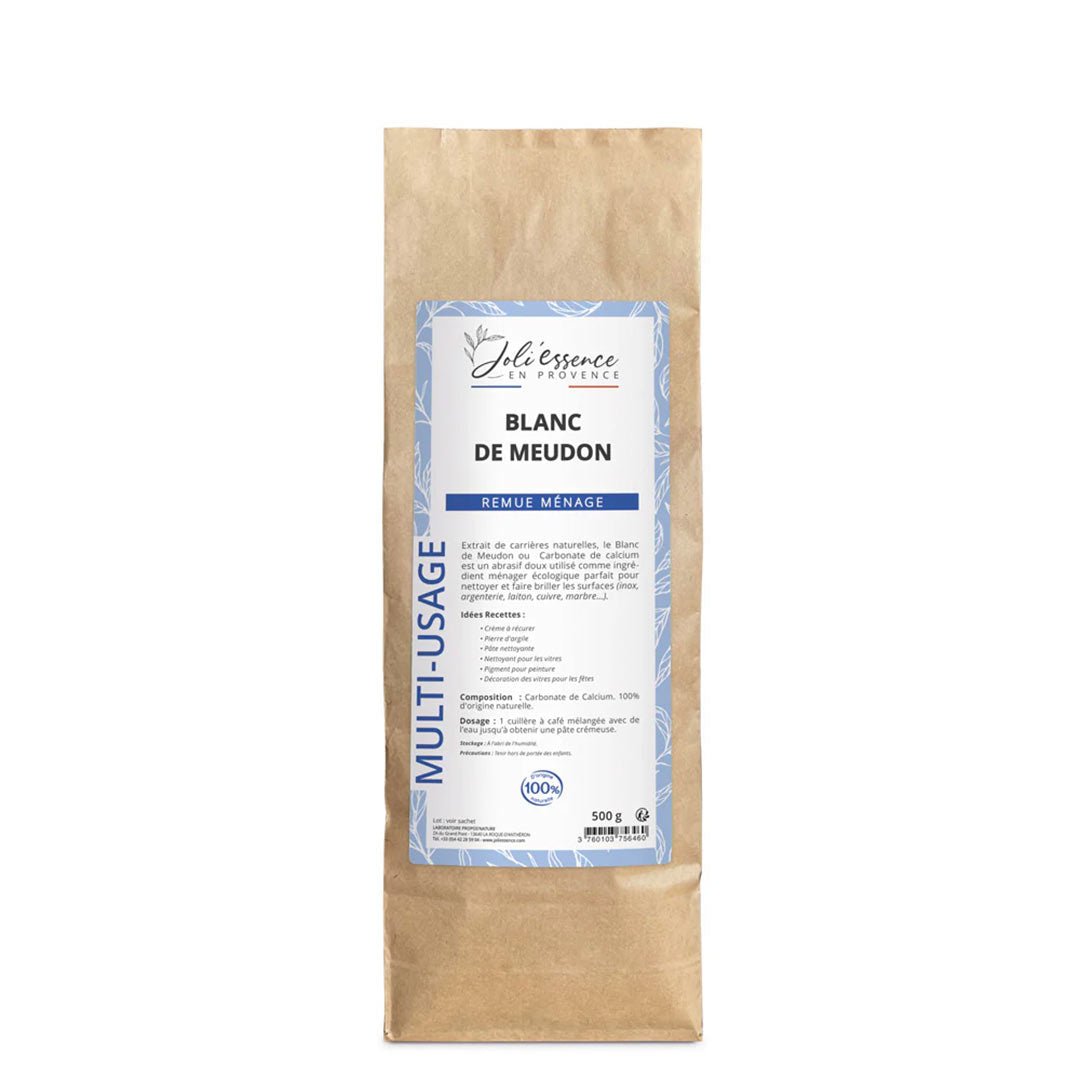
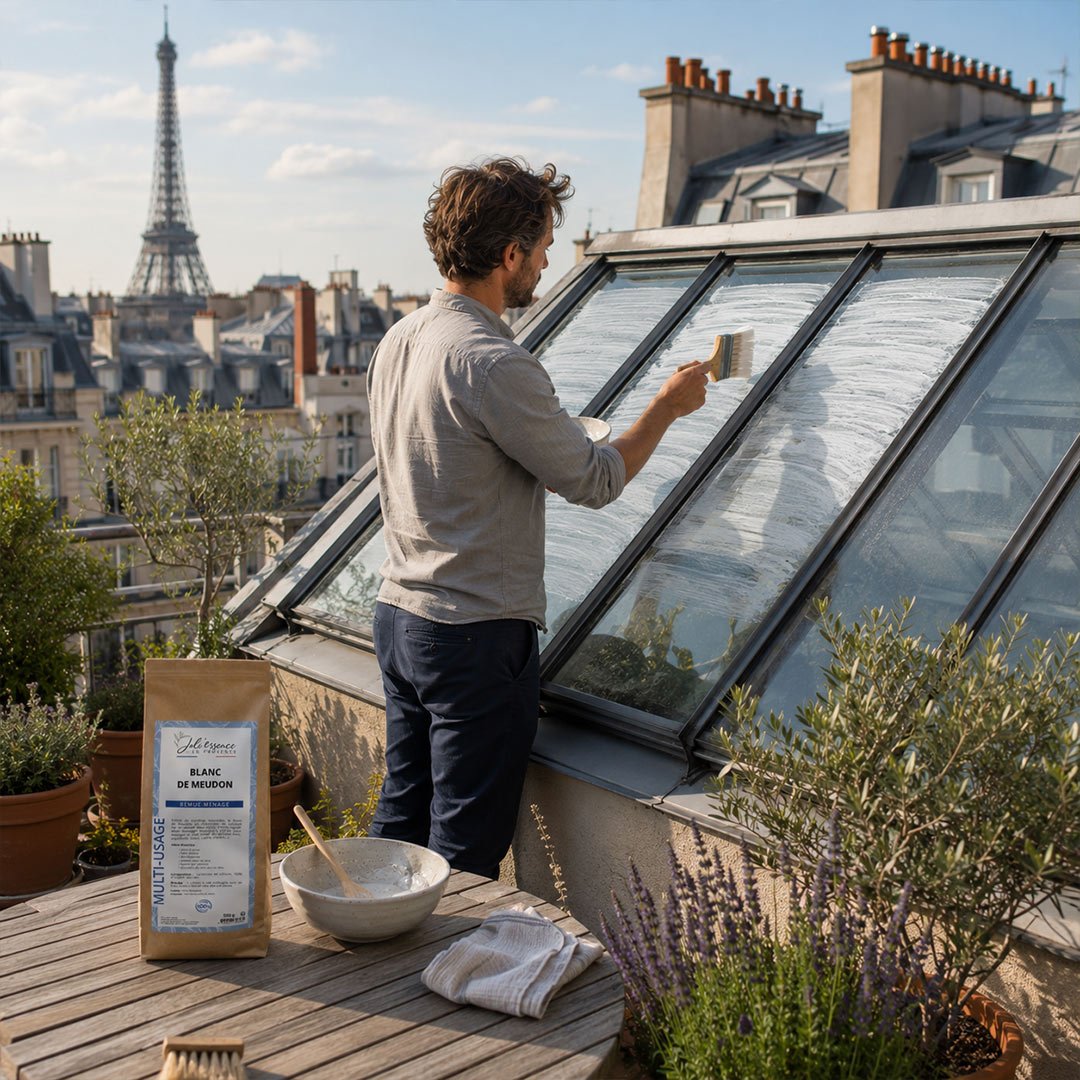
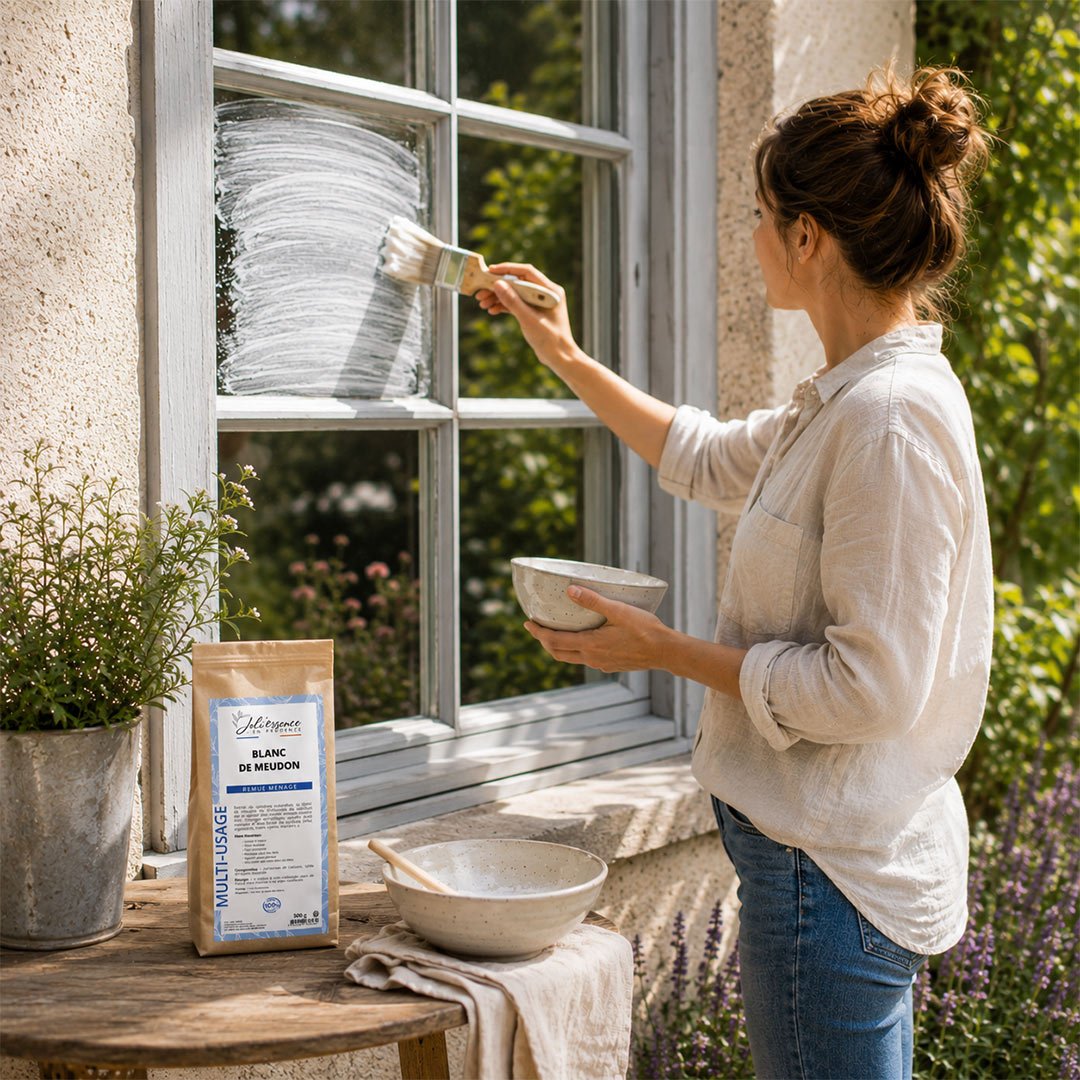
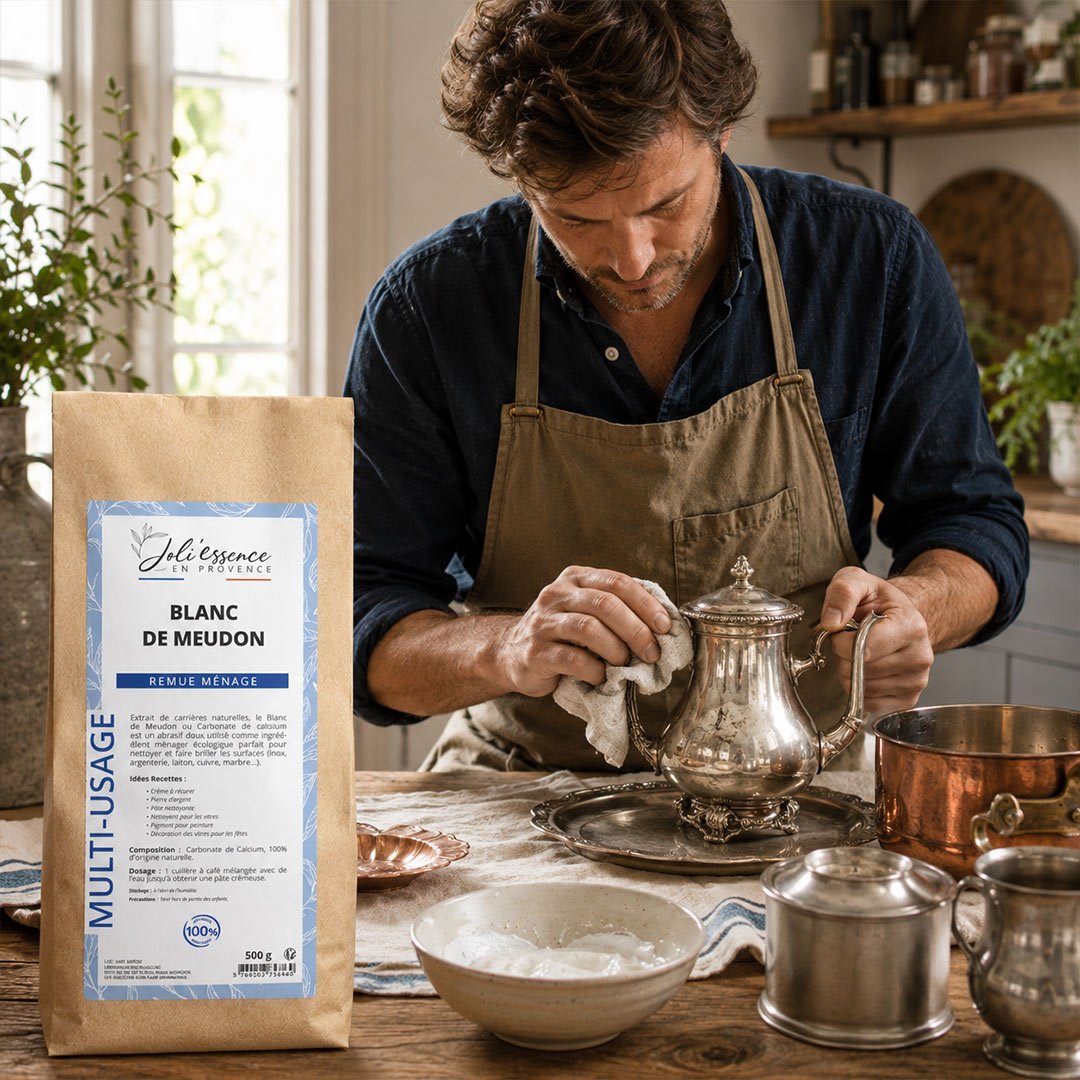
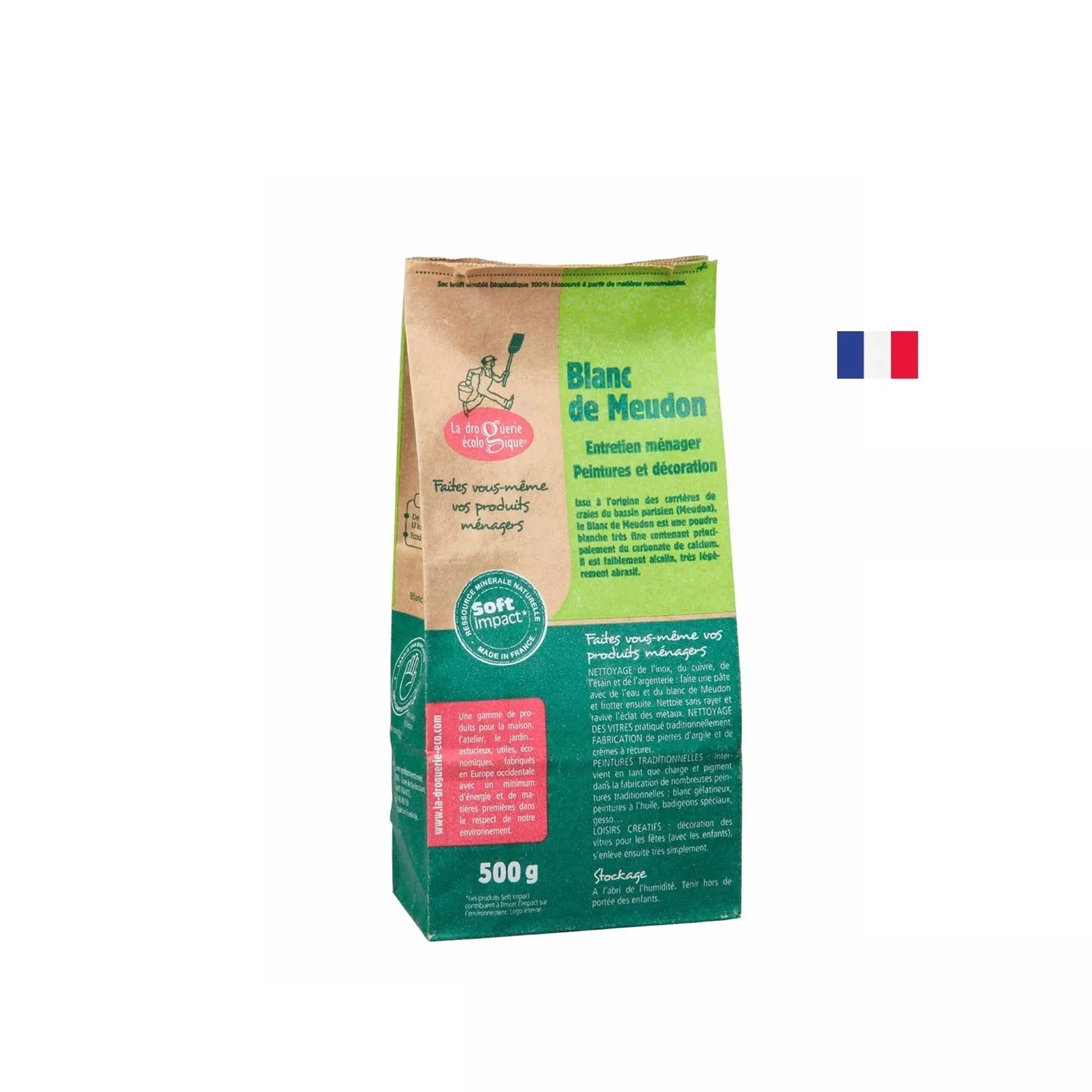
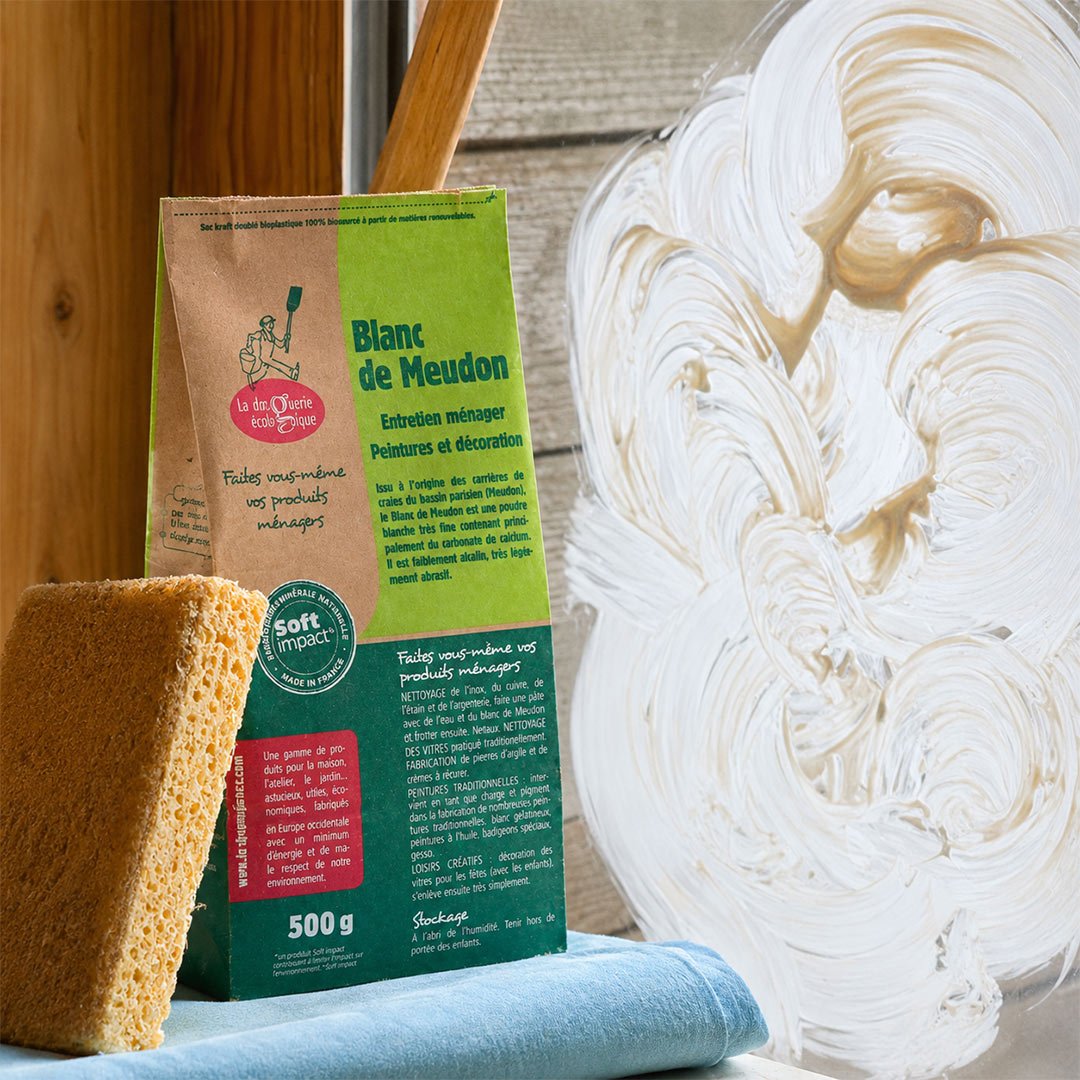
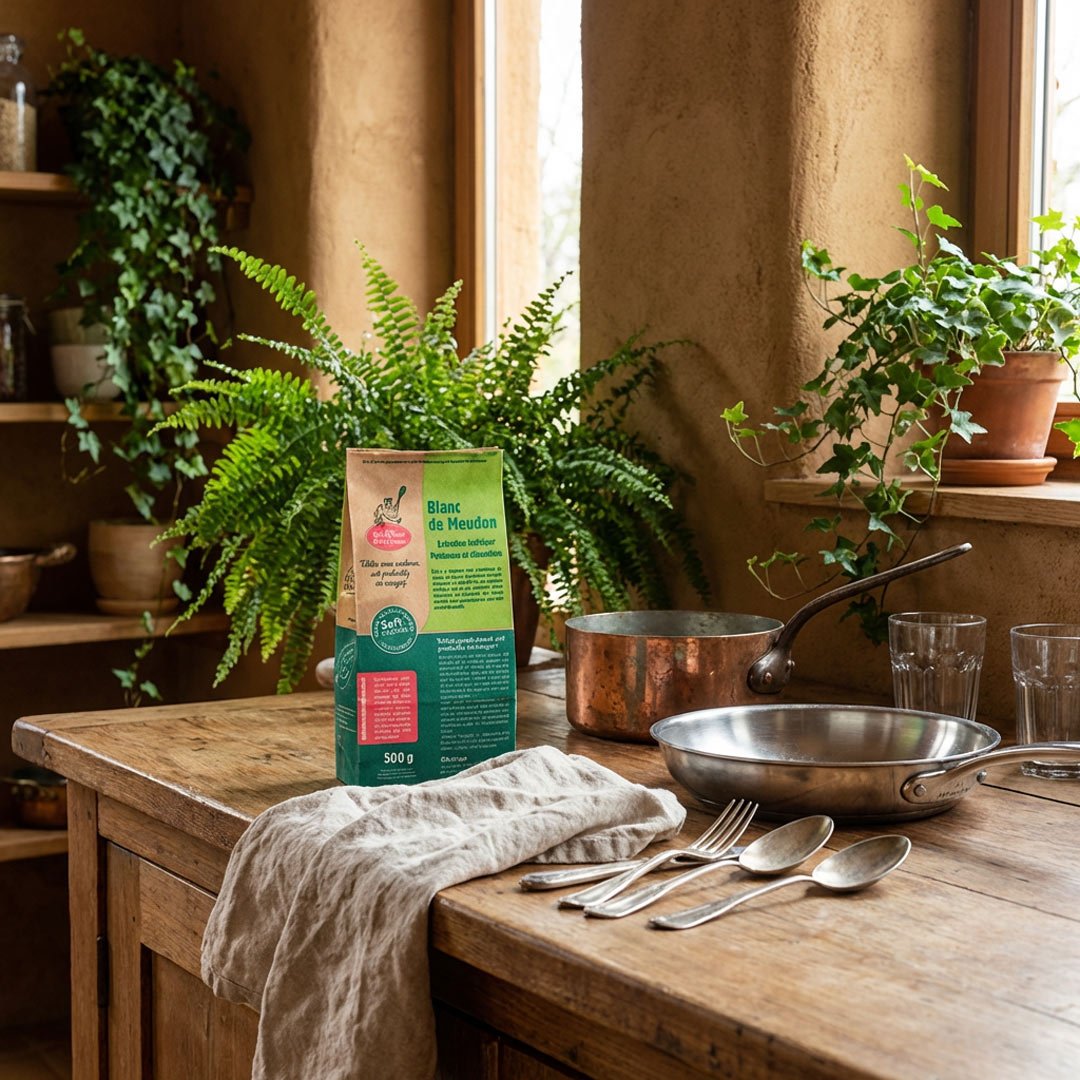
Blanc de Meudon is a fine chalk powder for cleaning and polishing glass. Mix a little powder with water to make a smooth paste, apply gently with a soft cloth, then remove the residue with a clean, damp cloth. Finish by buffing with a dry, lint-free cloth.

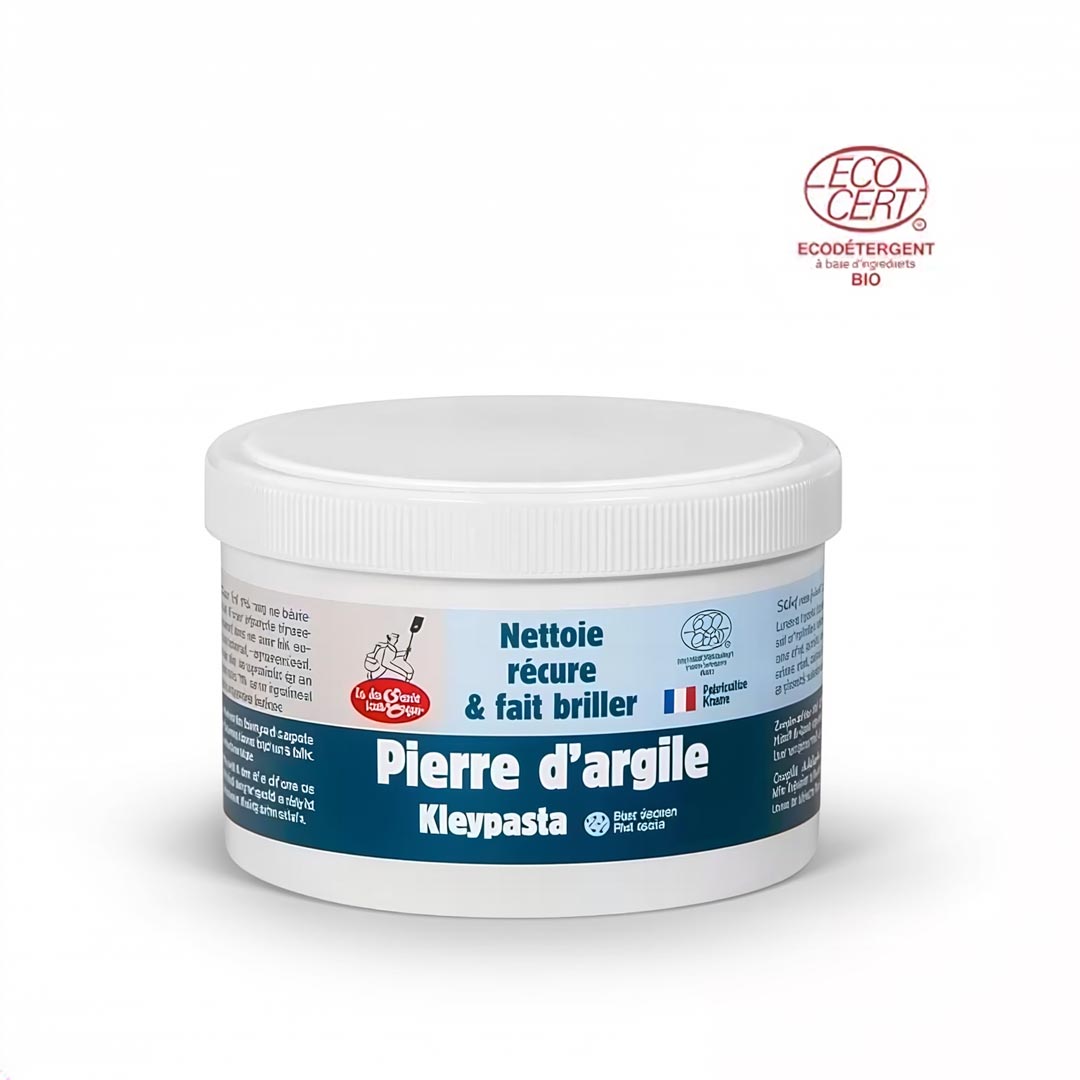
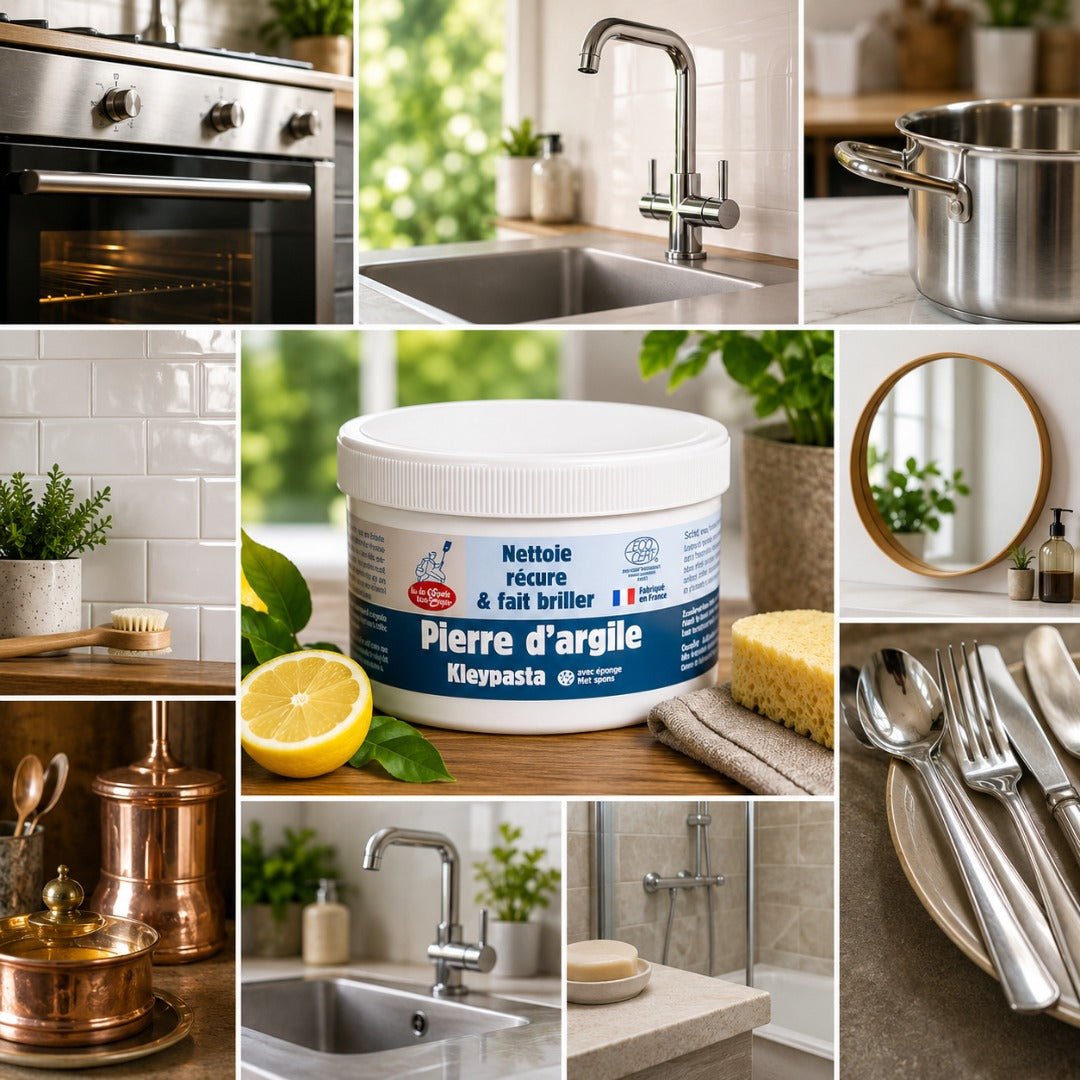
Clay Stone
Clay Stone removes soap residue and accumulated dirt from compatible shower tiles and screens. Dampen the sponge included in the box, rub it over the clay stone and clean the surface. Rinse thoroughly and dry with a clean cloth.
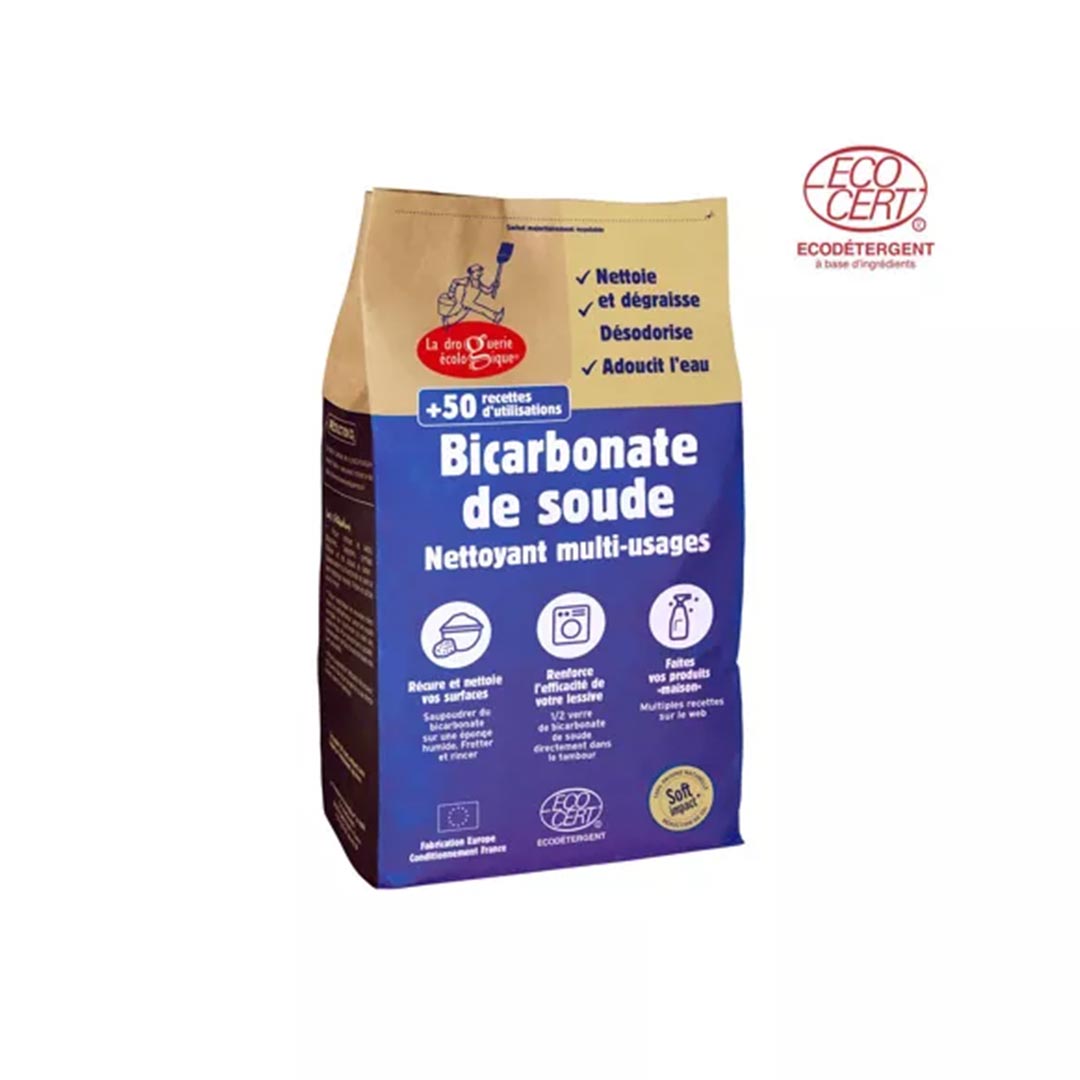
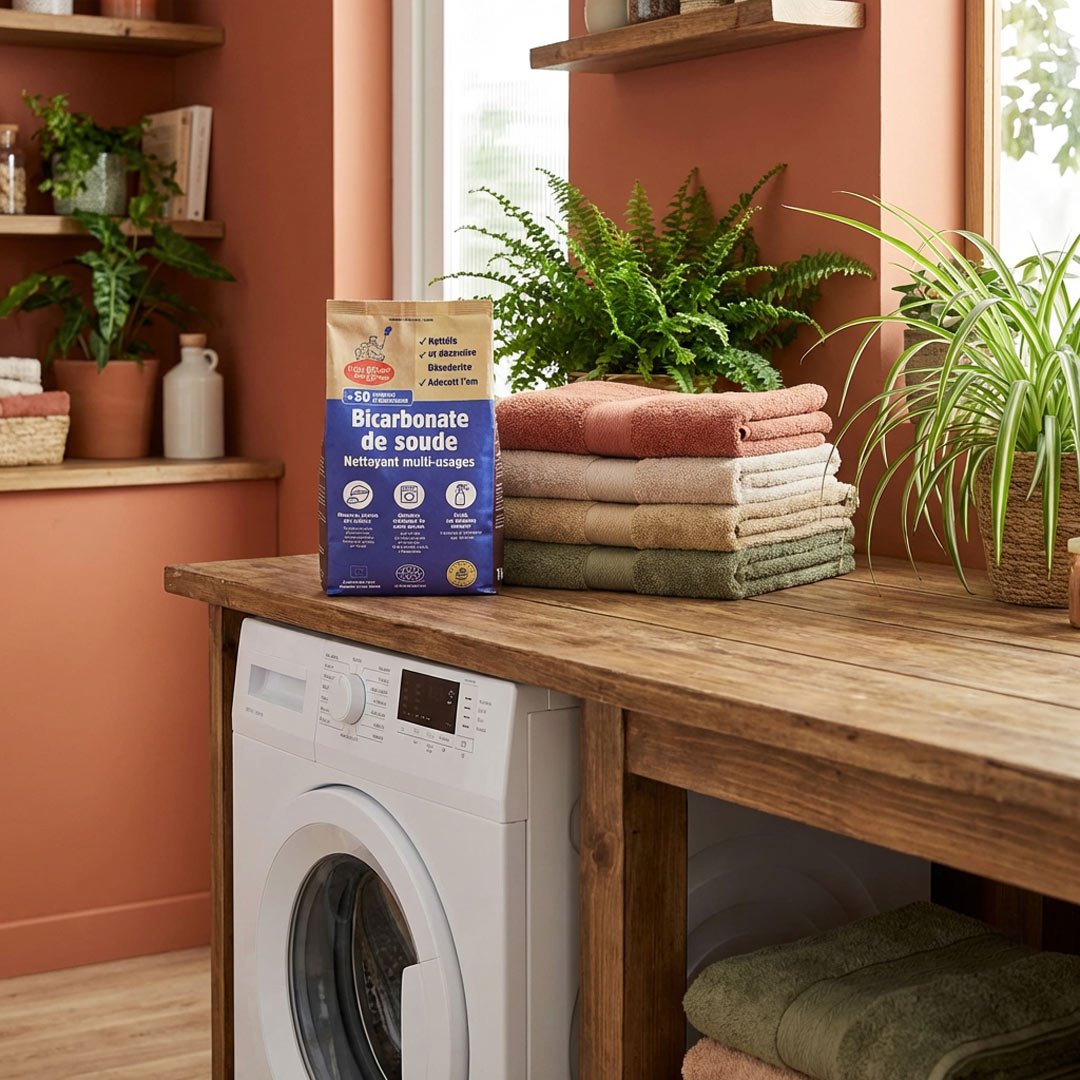
Sodium Bicarbonate
Sodium Bicarbonate provides mild scouring for stubborn dirt on suitable shower tiles. Sprinkle a little onto a damp sponge, gently rub the affected area and rinse thoroughly. Avoid using it on screens or finishes that scratch easily.
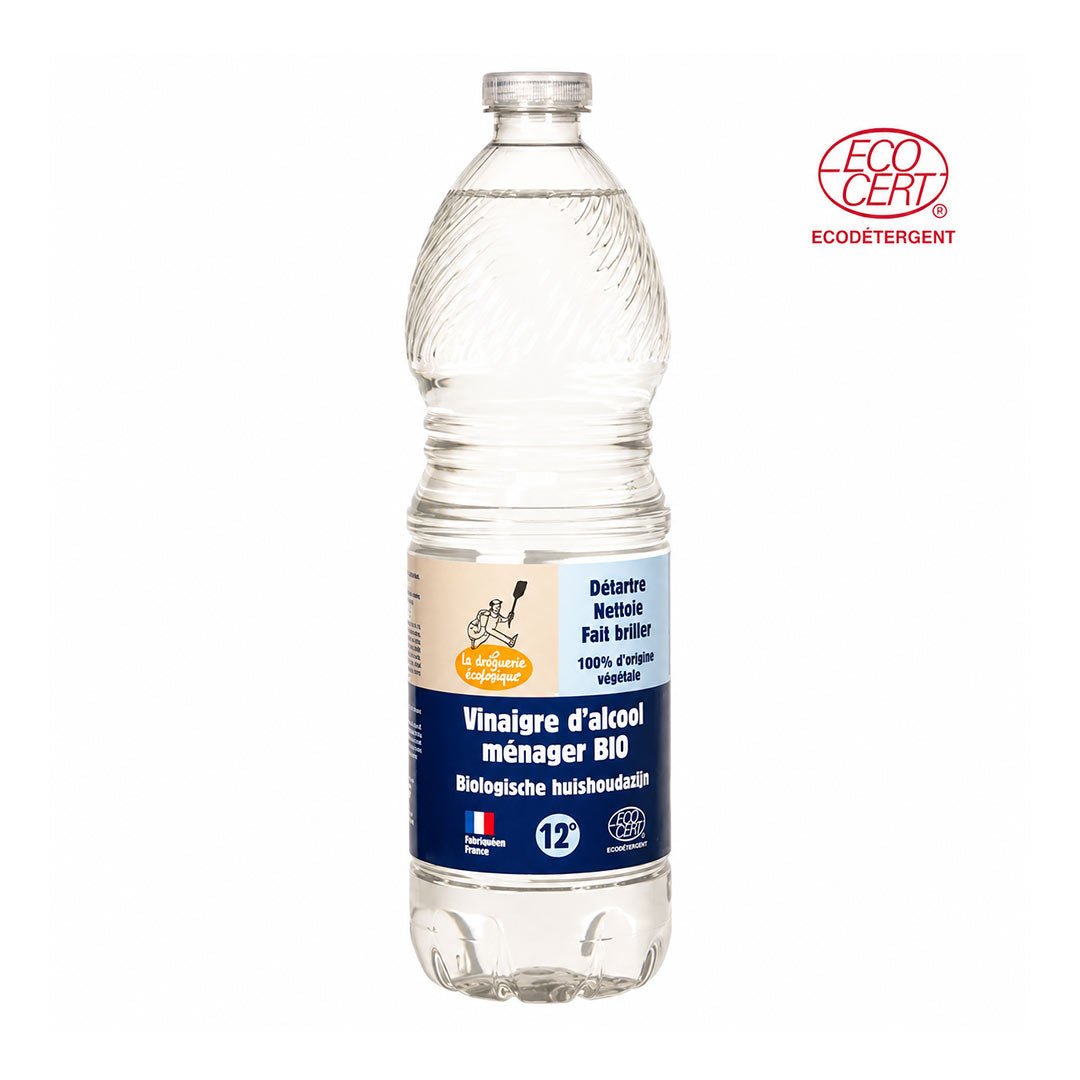
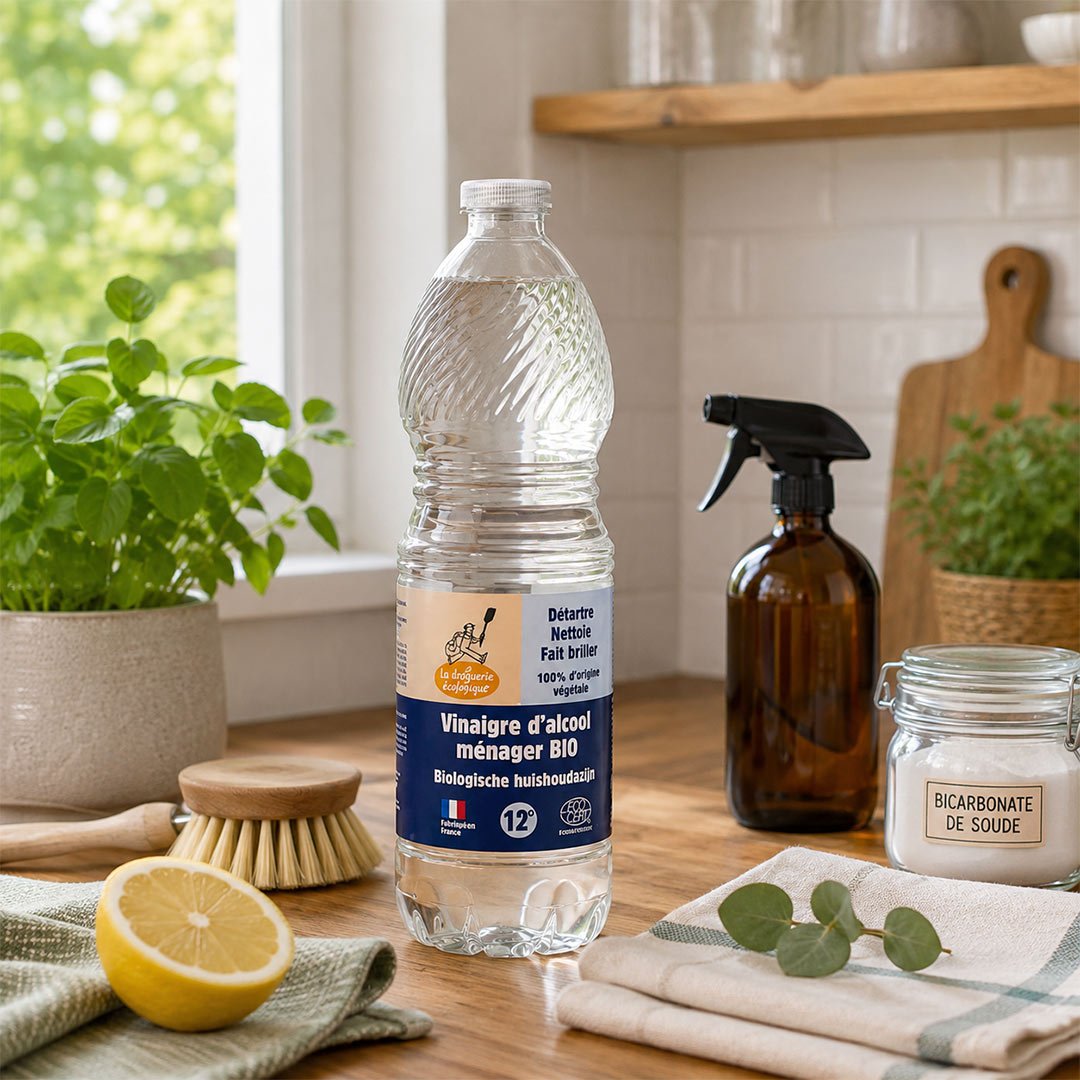
Alcohol Vinegar 12%
12% Alcohol Vinegar removes limescale and hard-water marks from acid-resistant shower screens. Mix equal parts vinegar and water, apply with a well-soaked sponge and leave for 30 minutes before rinsing thoroughly. Check that the screen’s material and any coating tolerate acidic cleaners.
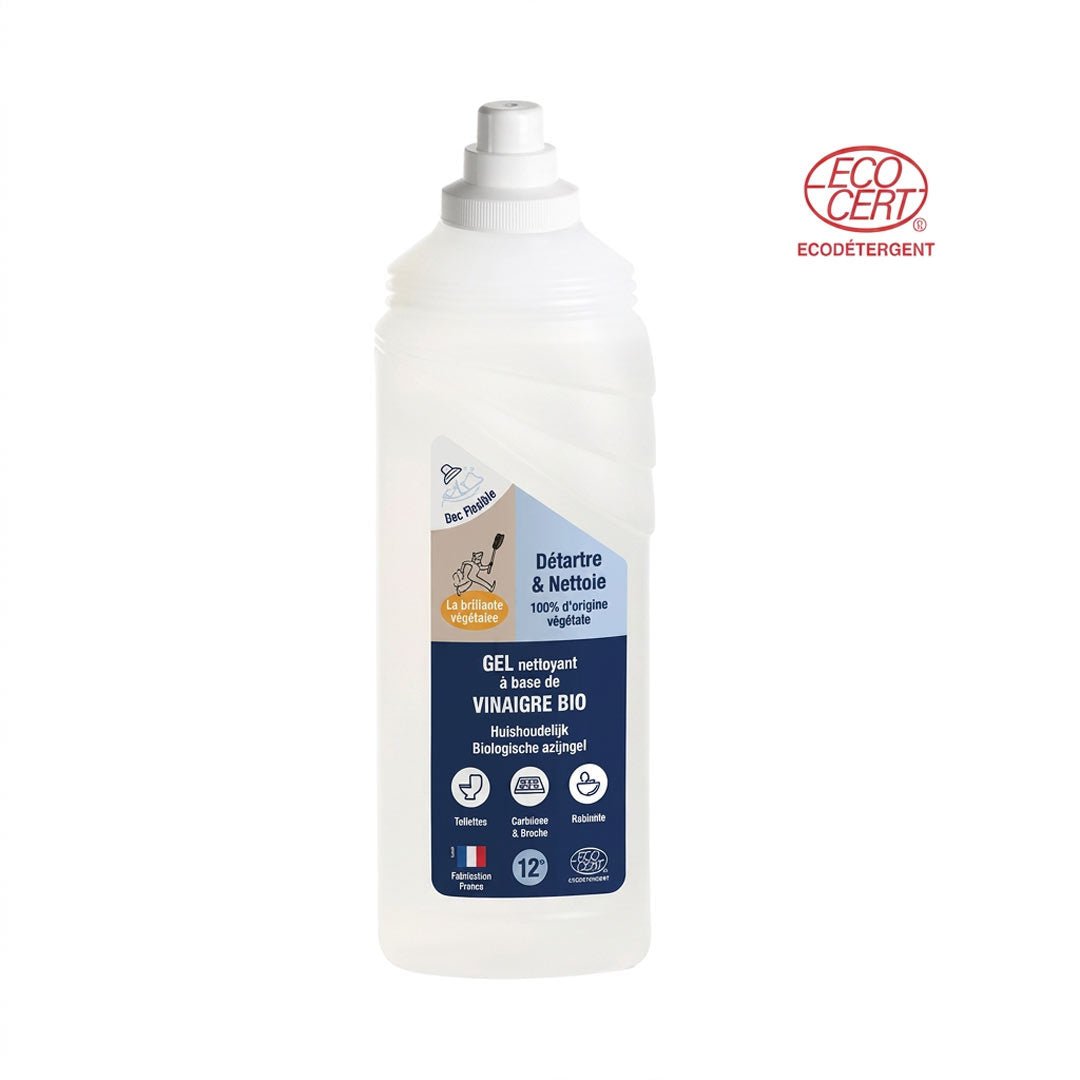
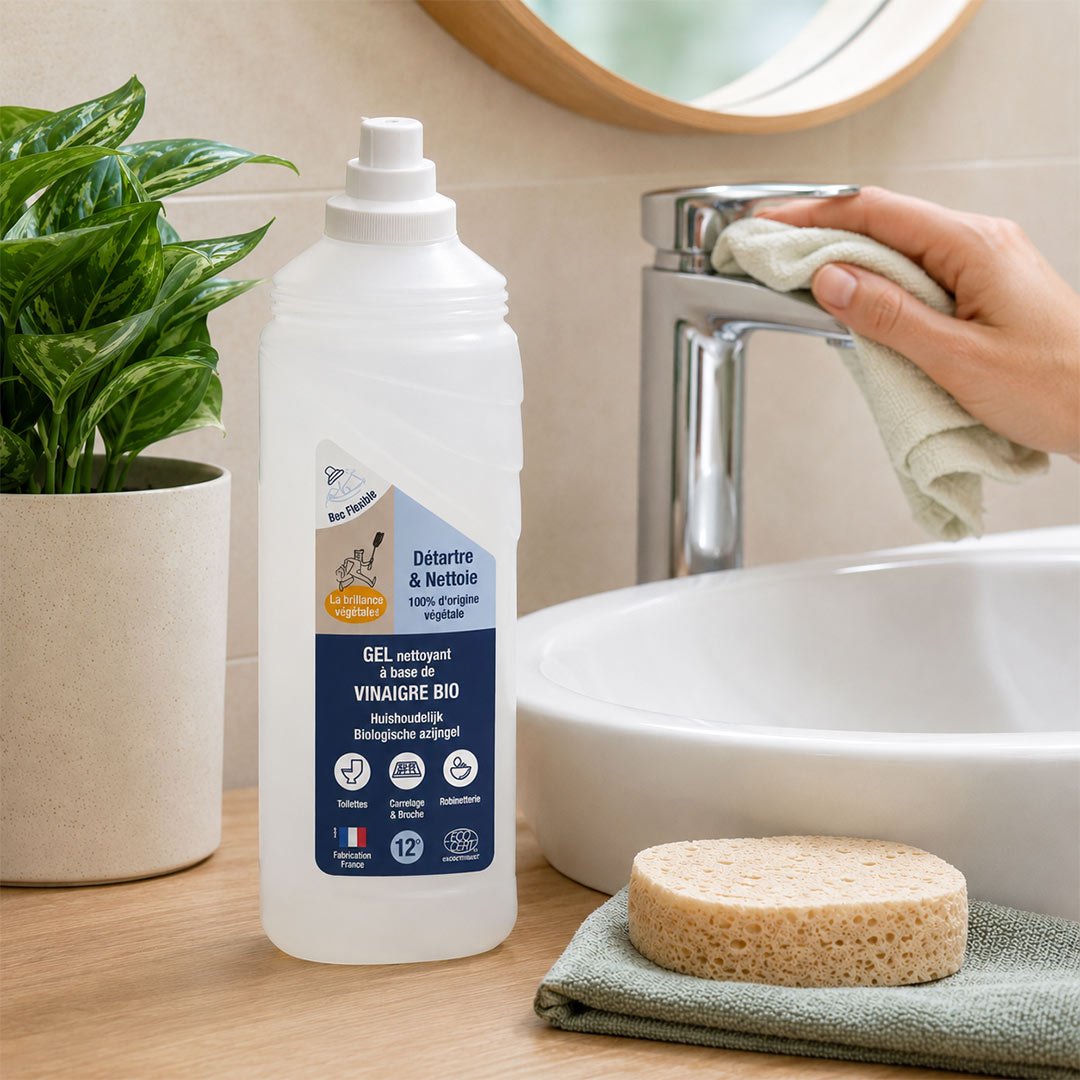
Vinegar Cleaning Gel 12%
Vinegar Cleaning Gel 12% is useful for targeted limescale removal on compatible vertical screens and tiles. Apply directly to the deposits, allow the contact time stated on the bottle, then clean and rinse thoroughly. The gel clings where liquid vinegar would run off.
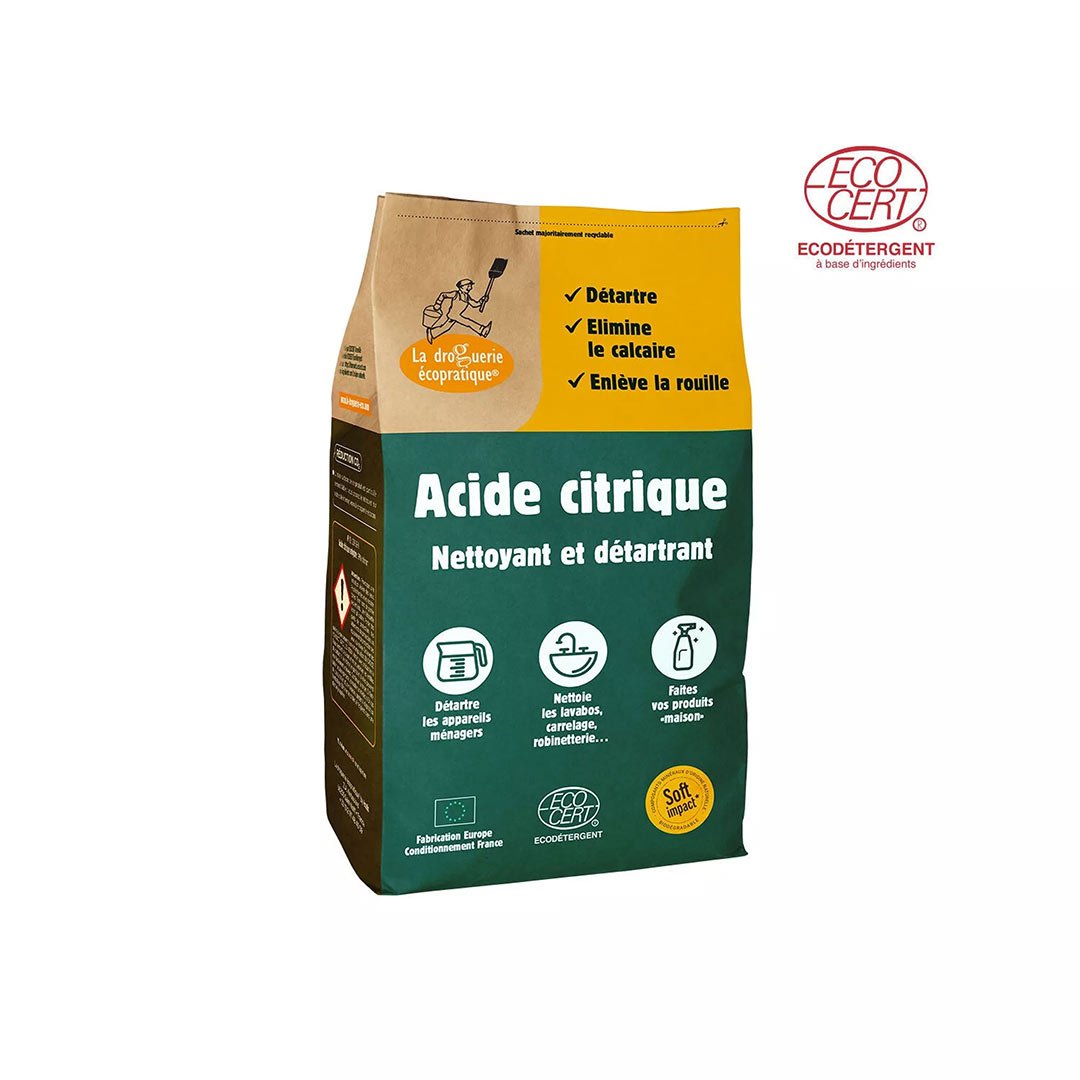
Citric Acid
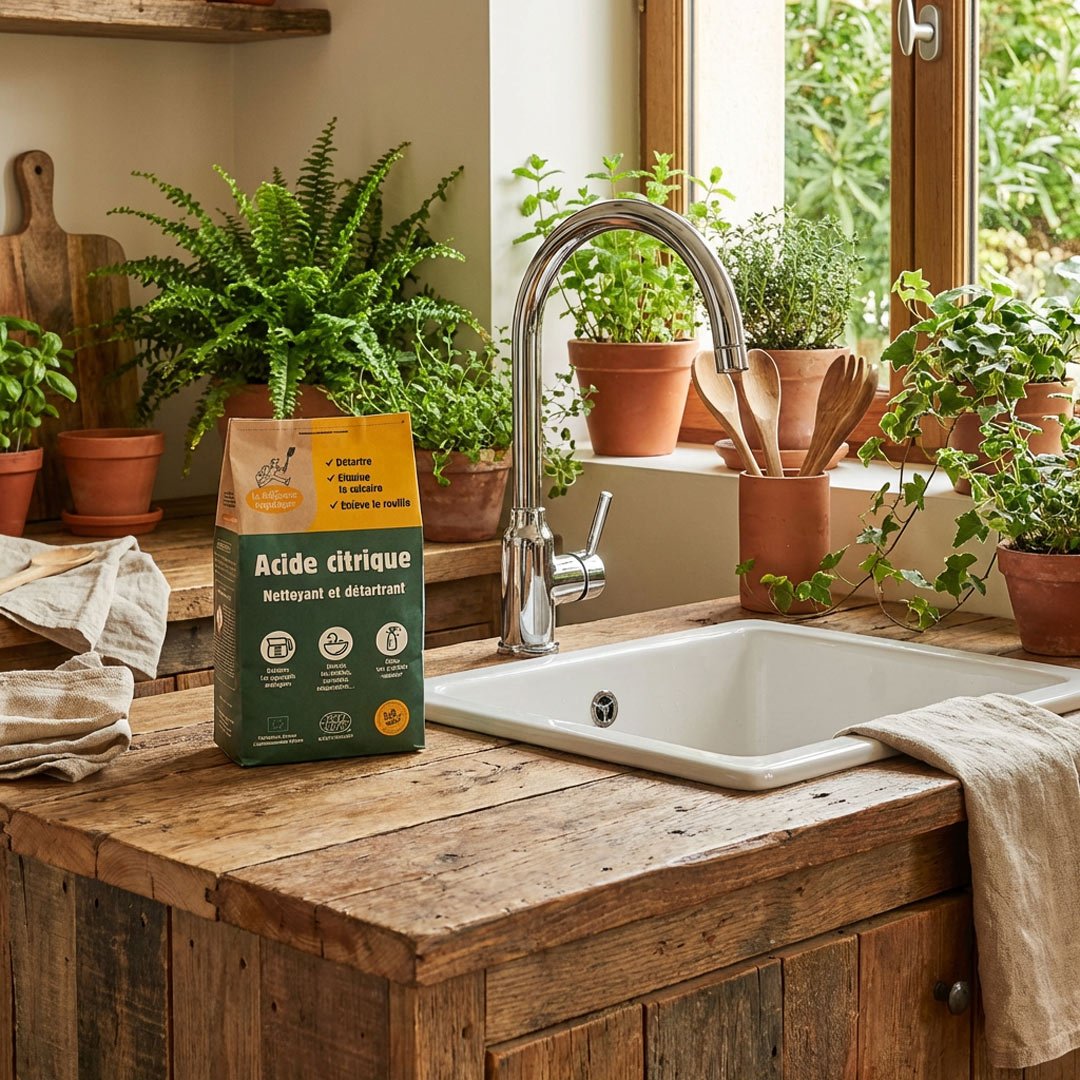
Citric Acid removes limescale without the characteristic smell of vinegar. Dissolve 2 tablespoons in 1 litre of warm water, apply to compatible acid-resistant shower screens with a well-soaked sponge and leave for 30 minutes. Rinse thoroughly afterwards.
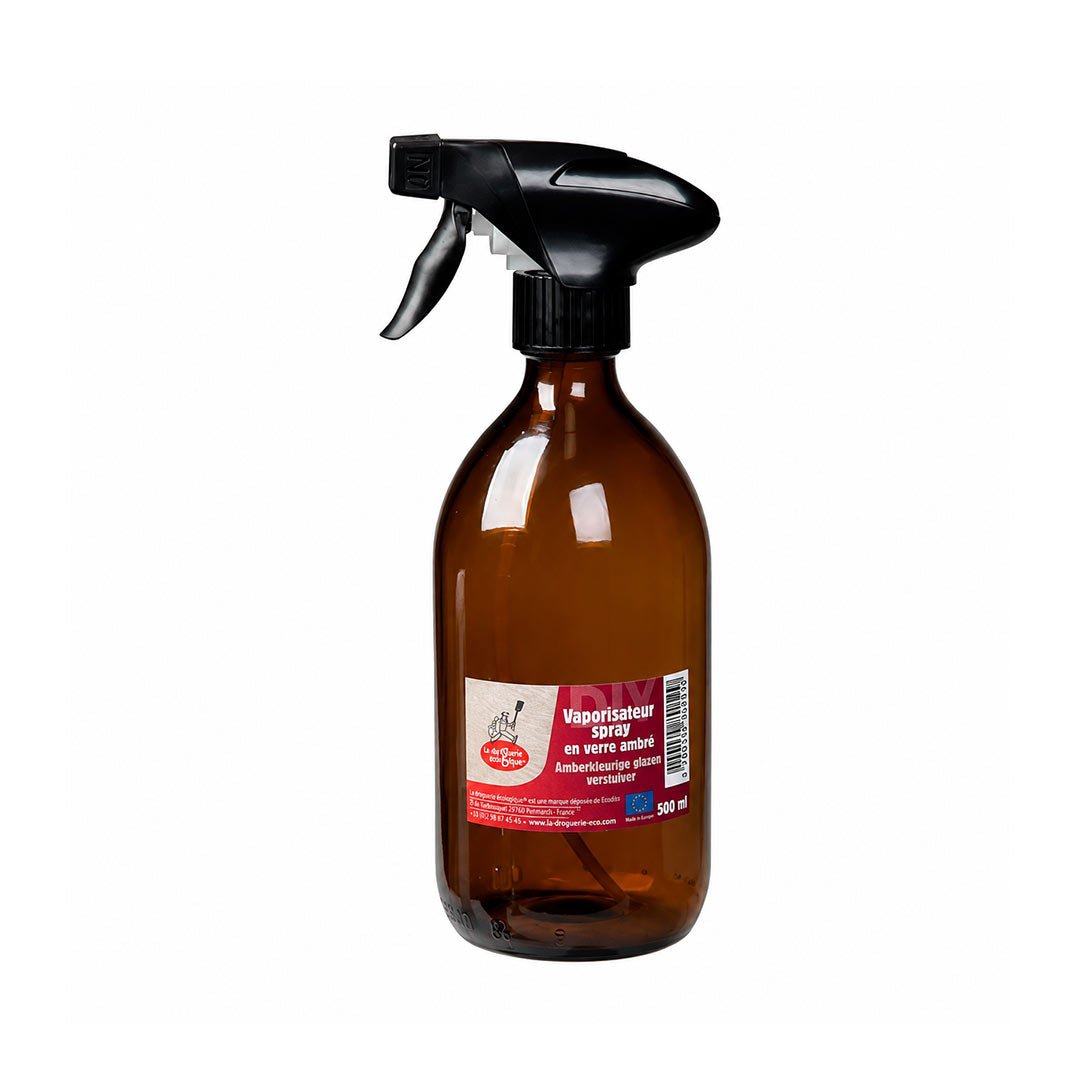
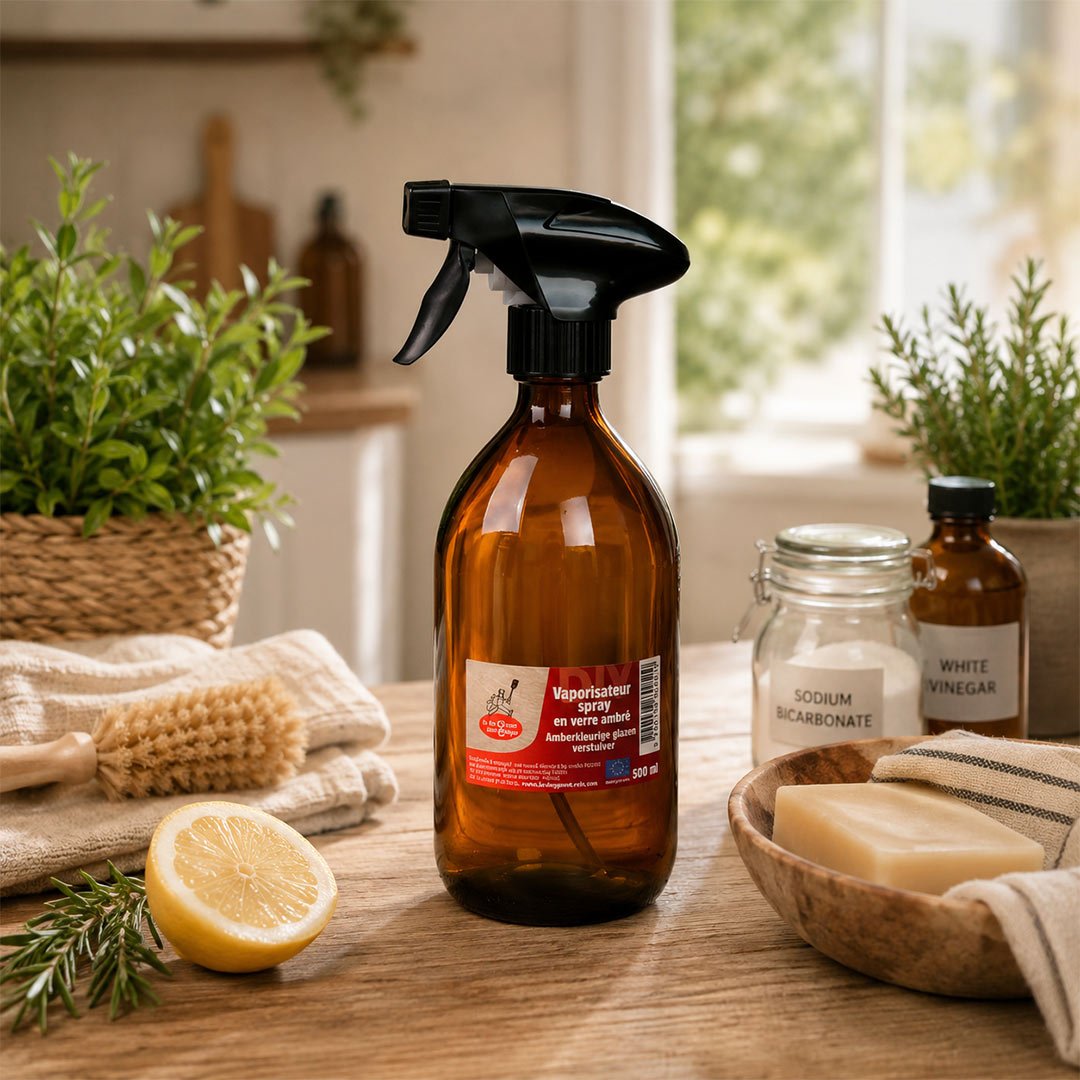
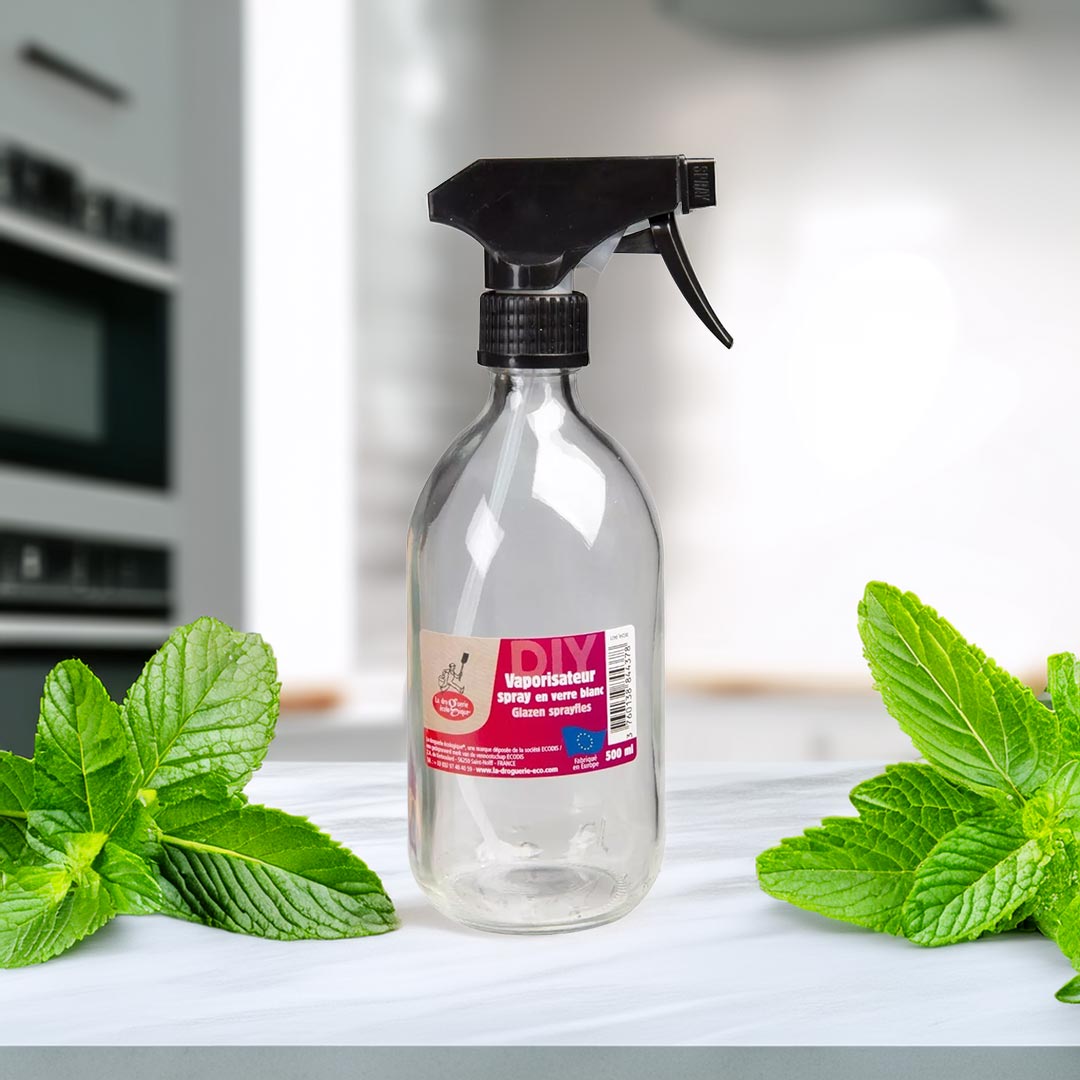
Spray Bottle
A spray bottle turns diluted vinegar or another suitable cleaning preparation into an easy everyday surface cleaner. It helps distribute a small amount evenly rather than pouring more product onto the surface than you need.
Not sure what to choose?
Soap residue and accumulated dirt = Clay Stone
Localised dirt needing mild scouring = Sodium Bicarbonate
Limescale and hard-water marks = 12% Alcohol Vinegar or Citric Acid
Targeted descaling on vertical surfaces = Vinegar Cleaning Gel 12%
After showering = use a squeegee to remove water from the screen
Check the care instructions for coated glass, acrylic and synthetic screens. Avoid abrasive products on surfaces that scratch easily.


Black Soap
Liquid Black Soap washes away everyday dirt and the greasy film left by bath oils, body lotions and skincare products. For routine cleaning of compatible basins and baths, apply a little to a damp sponge, wash the surface and rinse thoroughly.
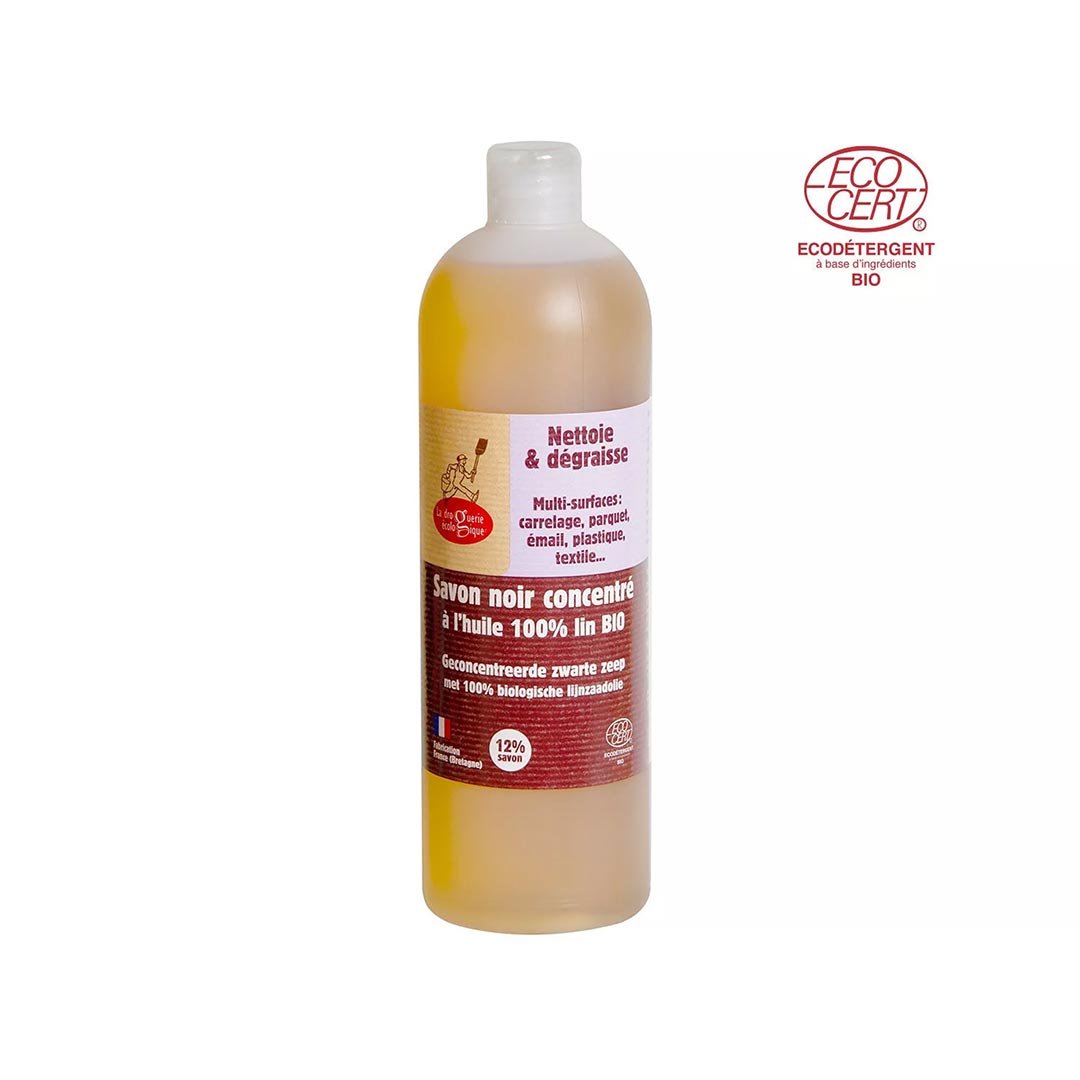
Black Soap with Linseed Oil
Liquid Black Soap with Organic Linseed Oil washes away everyday dirt, soap residue and greasy traces from bath oils and skincare products on compatible basins, baths and tiles. Put a few drops on a damp sponge, wipe the surface and rinse thoroughly.
For stubborn marks, mix 1 part black soap with 1 part Blanc de Meudon, gently clean with a soft sponge and rinse well. Use this mixture only on surfaces that tolerate mild abrasion.
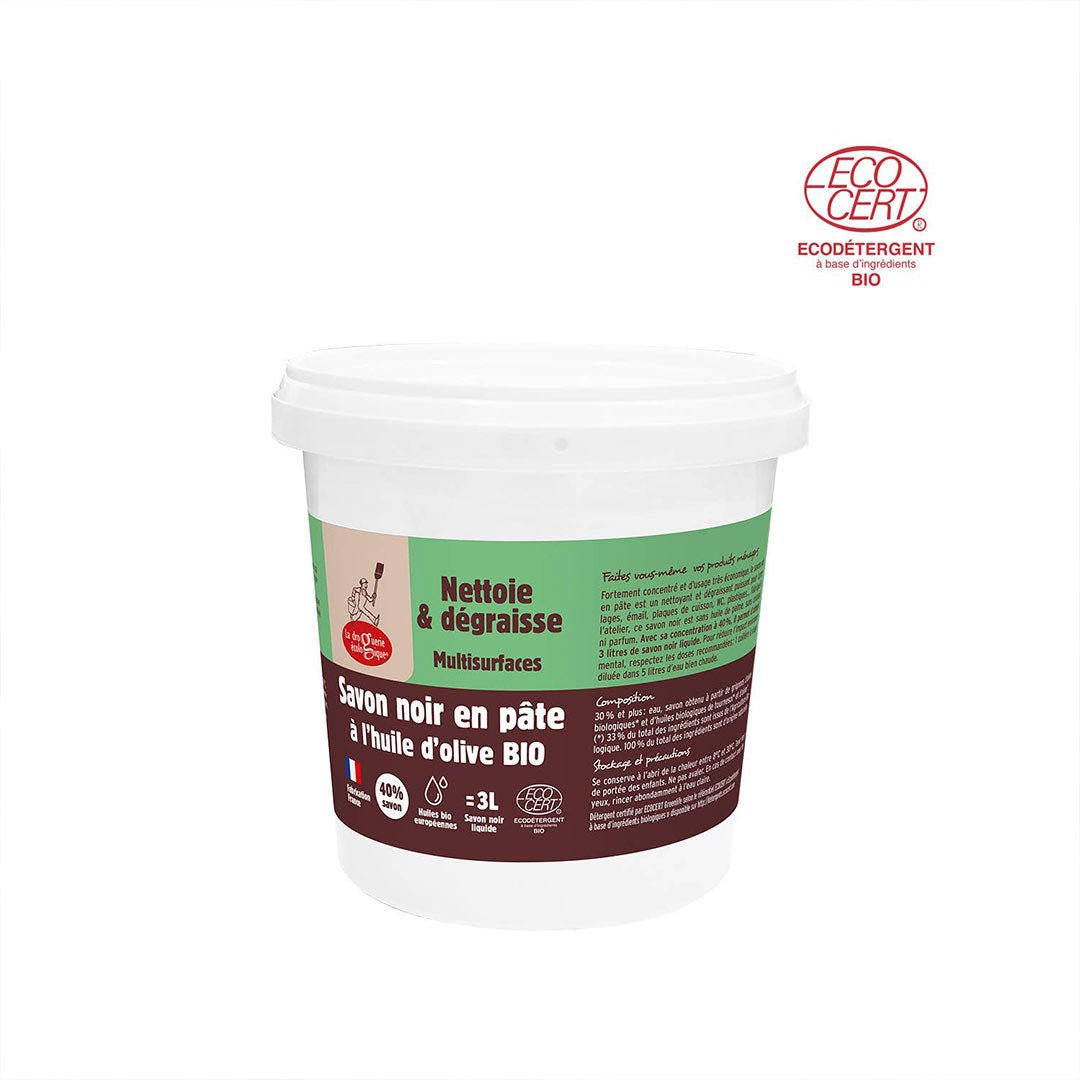
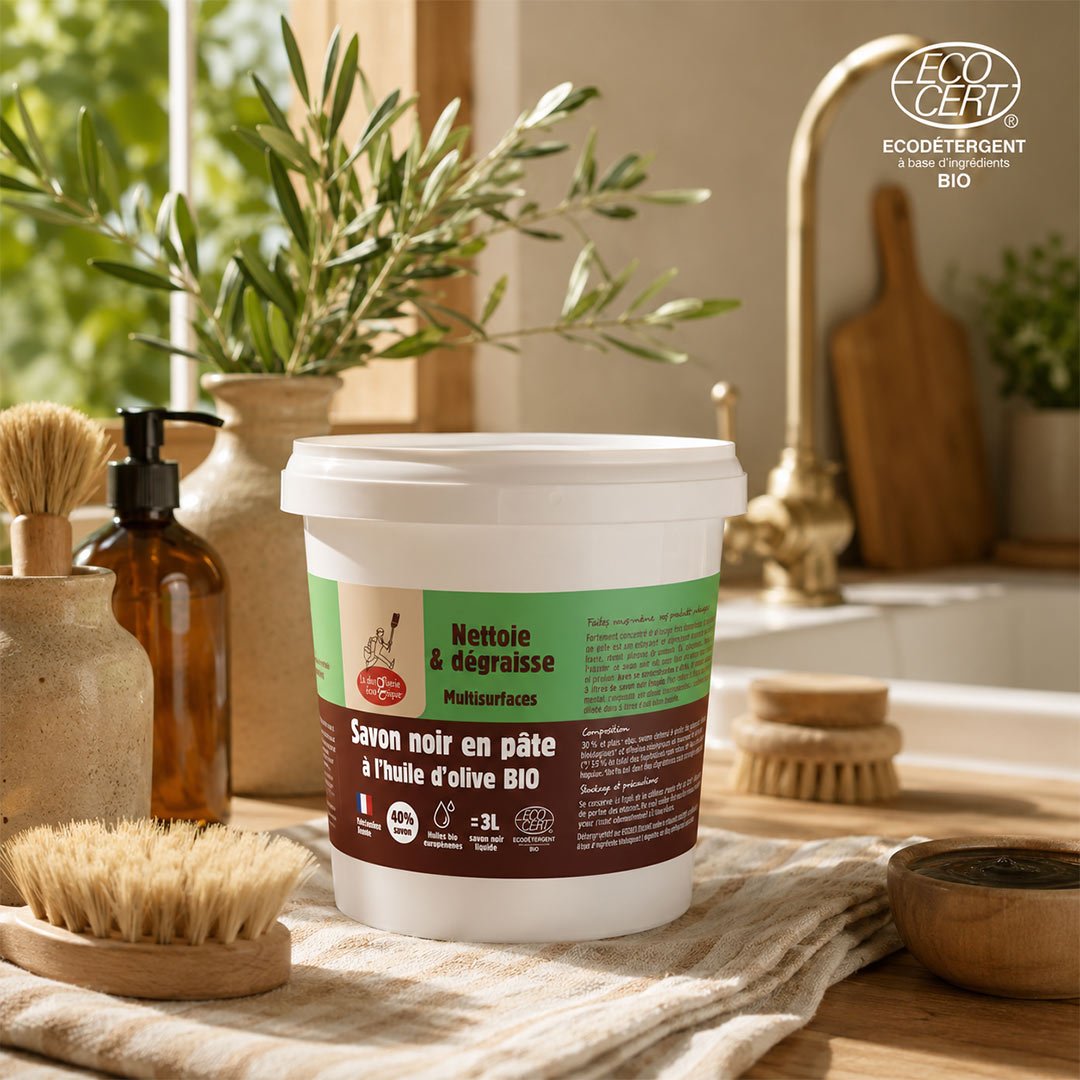
Black Soap Paste
Black Soap Paste is a concentrated option for washing away greasy product residues from compatible basins and baths. Dilute it in water according to the product instructions, clean with a sponge and rinse thoroughly. It is useful when you prefer to prepare a soap solution for washing a larger area.
Sodium Bicarbonate
Sodium Bicarbonate is useful when dirt remains after ordinary washing. Sprinkle a little onto a damp sponge, gently rub the affected area and rinse. Use only on surfaces that tolerate mild abrasion.
Clay Stone
Clay Stone helps remove soap residue and stubborn surface dirt from suitable basins and baths, including compatible enamelled surfaces. Dampen the sponge included in the box, rub it over the clay stone and clean the surface. Rinse away all residue and dry with a clean cloth.
Alcohol Vinegar 12%
Vinegar Cleaning Gel 12% is useful for targeted limescale removal on acid-resistant surfaces. Its gel texture clings to sloping and vertical sides where liquid vinegar runs off. Apply to the affected area, follow the contact time on the bottle and rinse thoroughly.
Citric Acid
Citric Acid offers an alternative for removing limescale without the smell of vinegar. Dissolve the powder in water using the product’s surface-cleaning dilution, apply with a sponge to compatible acid-resistant areas and rinse thoroughly.
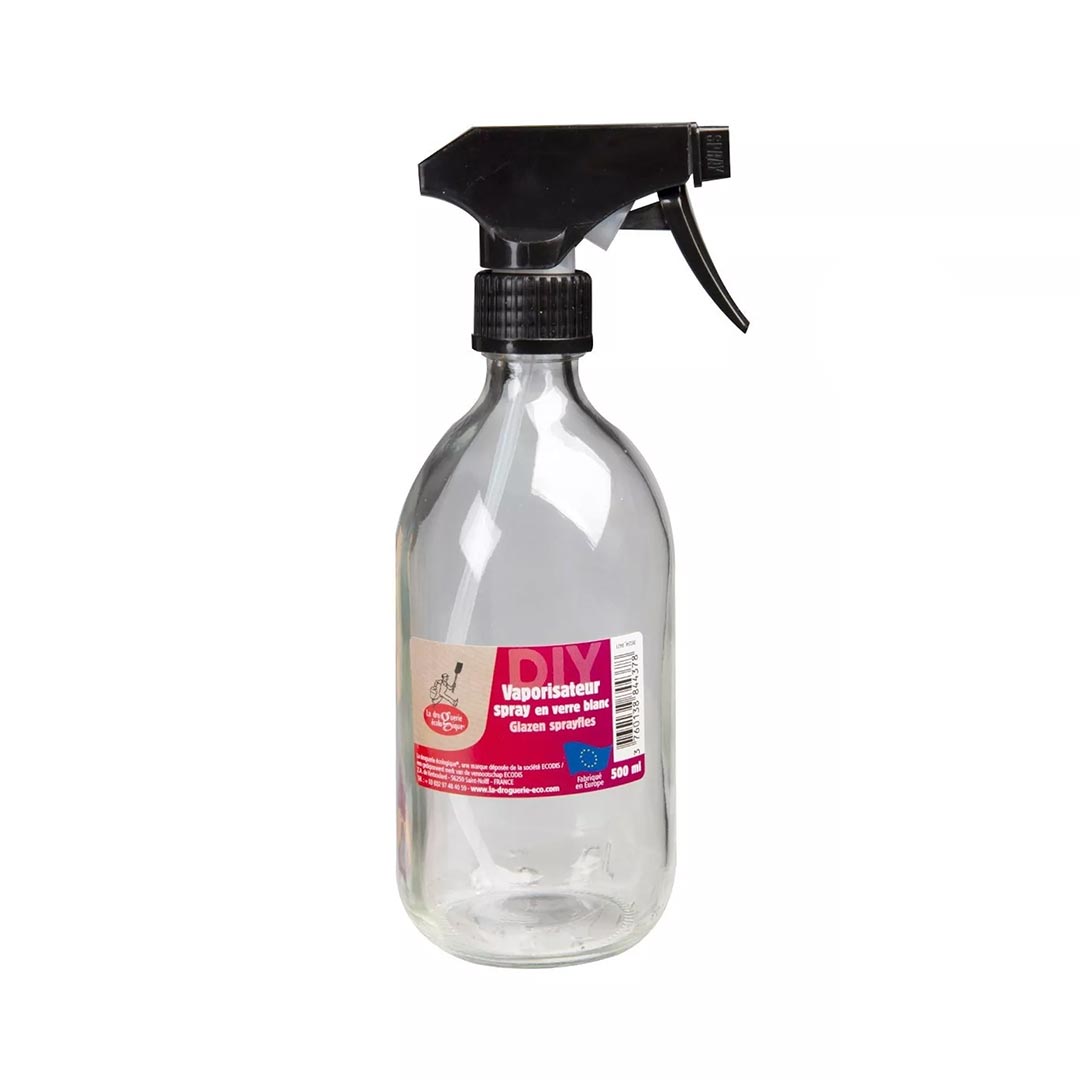
Spray Bottle
A spray bottle turns diluted vinegar or another suitable cleaning preparation into an easy everyday surface cleaner. It helps distribute a small amount evenly rather than pouring more product onto the surface than you need.
Not sure what to choose?
Greasy films from bath oils and body lotions = Liquid Black Soap, Black Soap with Linseed oil or Black Soap Paste
Localised dirt needing mild scouring = Sodium Bicarbonate
Stubborn soap residue and surface build-up = Clay Stone
Chalky limescale on acid-resistant surfaces = 12% Alcohol Vinegar or Citric Acid
Targeted descaling on sloping or vertical surfaces = Vinegar Cleaning Gel 12%
Check the care instructions for acrylic, resin and enamel. Avoid abrasive cleaners on scratch-sensitive surfaces and acidic cleaners on marble, limestone and other acid-sensitive materials. Do not leave acidic cleaners in prolonged contact with enamel.

Alcohol Vinegar 12%
12% Alcohol Vinegar removes limescale from compatible removable shower heads and tap aerators. Mix equal parts vinegar and water and soak the removable part for several hours, or overnight if its care instructions allow. Gently brush away remaining deposits with a soft brush or an old toothbrush, then rinse thoroughly. For a fixed shower head, place the solution in a bag and secure it around the head so the spray holes are submerged.
Vinegar Cleaning Gel 12%
Vinegar Cleaning Gel 12% targets limescale around compatible taps and fittings. Apply the gel directly to the affected area. Its thicker texture keeps it in place where liquid vinegar would run off. Leave for the contact time stated on the bottle, gently clean away the loosened deposits and rinse thoroughly.
Clay Stone
Clay Stone cleans and polishes compatible tap surfaces marked by dirt and water deposits. Dampen the sponge included in the box and rub it over the clay stone. Clean the surface, rinse away all residue and dry with a clean cloth to bring back the shine.
Citric Acid
Citric Acid is useful for stubborn limescale that remains in shower-head openings after cleaning. Dissolve 4 tablespoons in 1 litre of lukewarm water and soak the compatible removable shower head in the solution. Use an old toothbrush or a medium-soft brush to remove remaining deposits, then rinse thoroughly. It offers a descaling alternative without the smell of vinegar.
Not sure what to choose?
Limescale around taps = 12% Alcohol Vinegar or Citric Acid
Targeted descaling around fittings = Vinegar Cleaning Gel 12%
Mineral deposits in removable shower heads = 12% Alcohol Vinegar or Citric Acid, diluted as directed
Cleaning and polishing compatible tap surfaces = Clay Stone
Check the finish before use, especially on coloured, plated or specialist fittings. Rinse thoroughly after cleaning.

Clay Stone
Clay Stone can be used with a suitable brush to clean compatible tile grout. Work gently, rinse thoroughly and remove the remaining cleaning residue.
Quick guide
Dirt along grout lines: Clay Stone and a small brush
After cleaning: rinse and allow the area to dry
Check compatibility with the grout and surrounding tiles. Persistent dark patches or damaged sealant may need more than surface cleaning.

Vinegar Cleaning Gel 12%
Vinegar Cleaning Gel 12% is a practical choice for cleaning and descaling the toilet bowl. Its gel texture clings to the sides, while the flexible nozzle helps reach beneath the rim. Apply under the toilet rim and leave for 10–15 minutes before scrubbing with a toilet brush.
12% Alcohol Vinegar
12% Alcohol Vinegar helps dissolve limescale deposits that leave a rough surface or discolouration inside the toilet bowl. Pour 250–500 ml directly into the bowl and leave overnight. In the morning, scrub with a toilet brush, focusing on the deposits and waterline, then flush.
Citric Acid
Citric Acid removes stubborn limescale from the toilet bowl. Dissolve 3 tablespoons in 1 litre of water. Flush to wet the bowl, then sprinkle a little flour over the scaled sides to help the solution cling. Spray the citric acid solution onto these areas and leave overnight. The next morning, flush and scrub with the toilet brush. Repeat if necessary.
Spray Bottle
A spray bottle turns diluted vinegar or another suitable cleaning preparation into an easy surface cleaner. It helps distribute a small amount evenly rather than pouring more product onto the surface than you need.
Remember:
Use one cleaning product at a time. Never mix vinegar, vinegar gel or citric acid with bleach or chlorine-based toilet cleaners. Keep a separate sponge or cloth for the toilet’s exterior and seat.


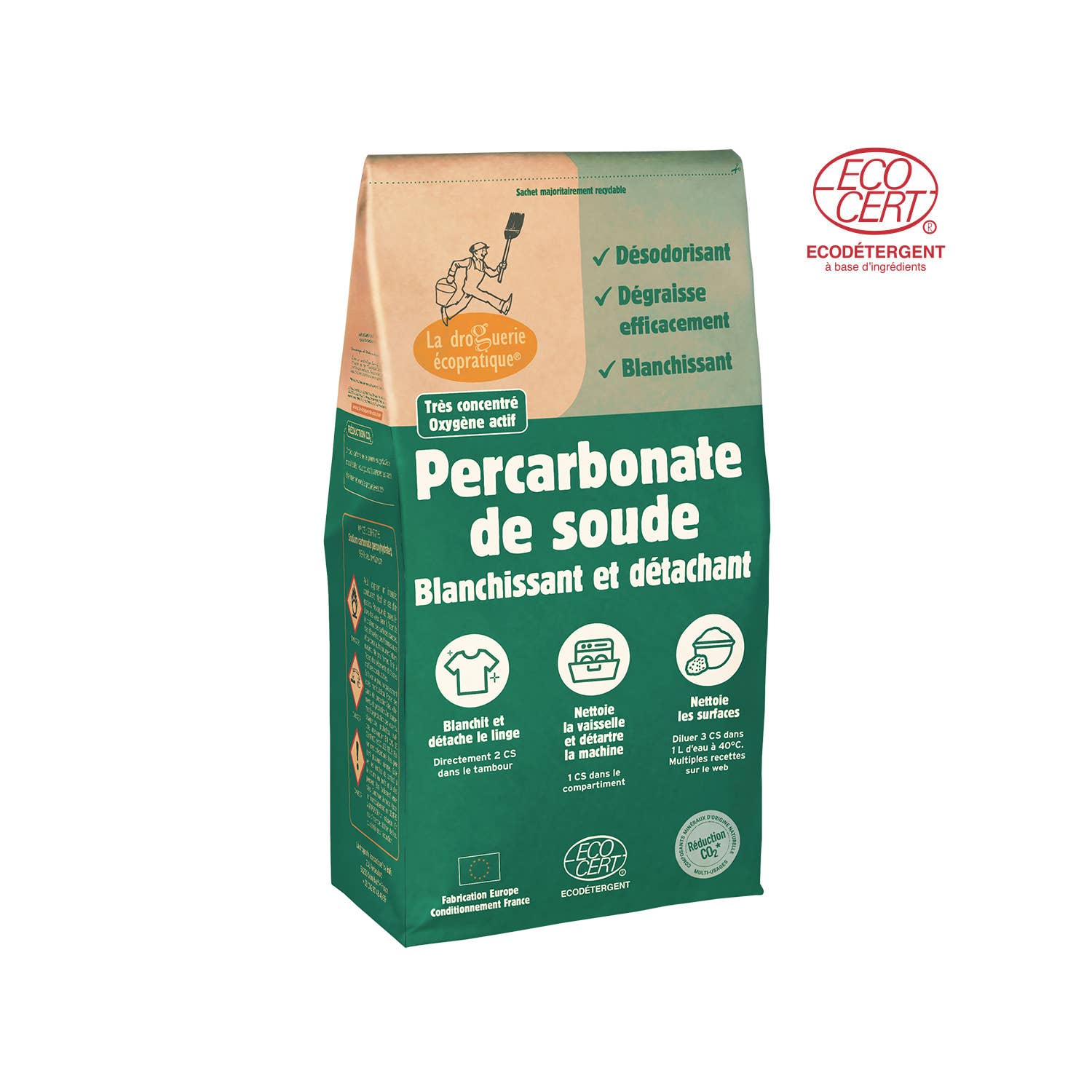
Sodium Percarbonate
Dissolve 3 tablespoons per litre of hot water, checking first that the curtain’s care label permits the temperature and treatment. Immerse the curtain and leave to soak overnight.
The following morning, gently scrub any remaining marks with a medium-soft brush. Wash according to the curtain’s care instructions and rinse thoroughly.
Check the material and colourfastness before soaking. Between showers, spread the curtain out so it can dry rather than leaving it gathered and damp.