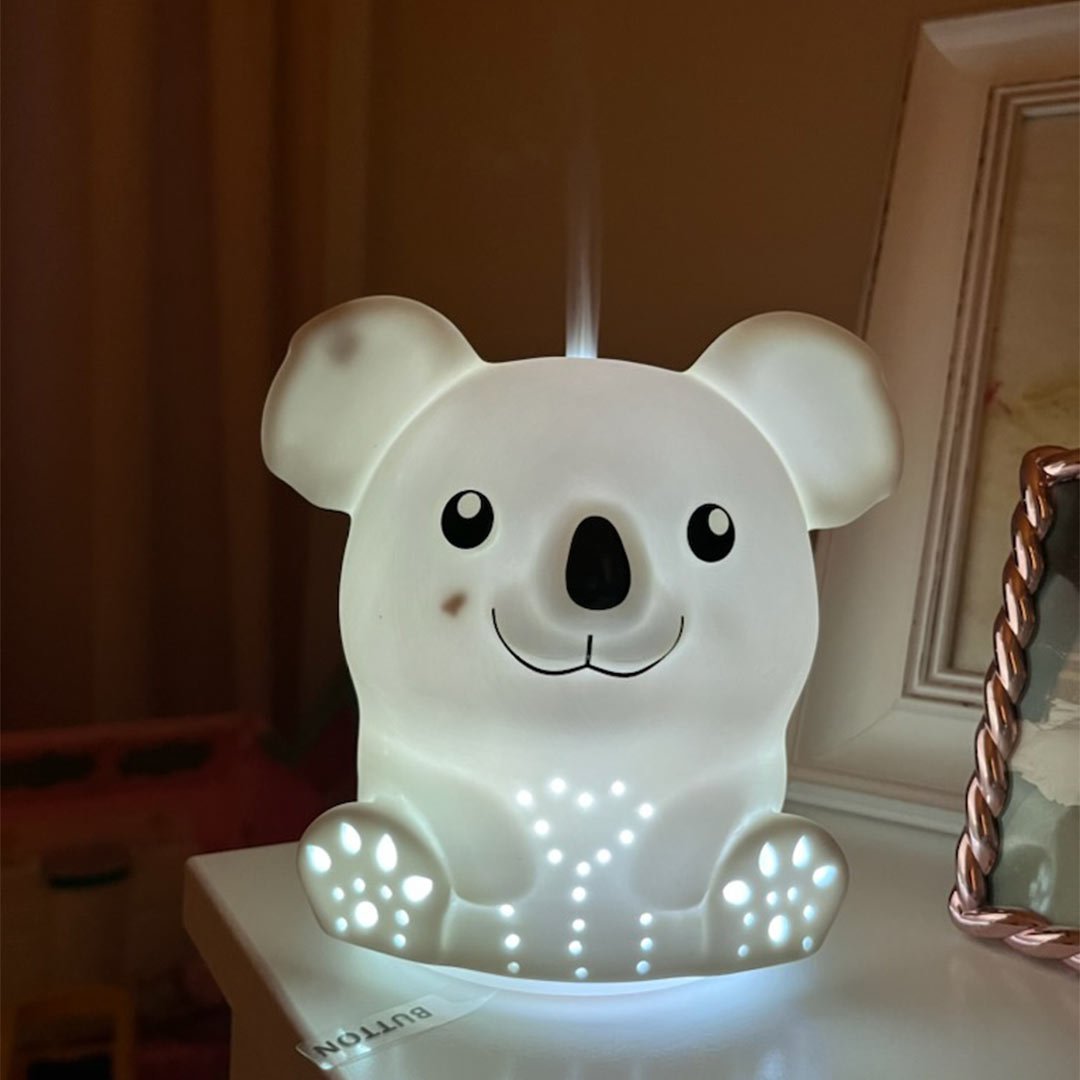

The Safe Essential Oil Guide for Parents: How to Use Aromatherapy with Children
Every parent knows the worry that comes when a child is unwell. Sometimes the doctor isn’t immediately available, or you’re at home with no quick help at hand. In those moments, it can feel overwhelming. This is where aromatherapy can offer gentle support - a natural, time-tested method that helps you care for your child while also supporting their long-term health and wellbeing.
Essential oils are highly concentrated plant essences, distilled from flowers, leaves, seeds, roots, and resins. Just a drop or two can carry powerful therapeutic benefits. Unlike synthetic products, they bring the wisdom of nature directly into your home - whether for easing discomfort, supporting relaxation, or simply creating a soothing environment.
One of the most loved and versatile essential oils is lavender. Parents often start here because it does so much: calming nerves, promoting restful sleep, and even helping the healing process of cuts, grazes, and burns. It can be diffused in your child’s room, added (safely diluted) to a warm bath, or used in blends to encourage deep relaxation at bedtime.
But lavender is just the beginning. Each essential oil has its own special properties, and when combined, they create unique blends that go beyond what any single oil can do on its own. This is the true beauty of aromatherapy: its depth, flexibility, and the ability to adapt to your child’s needs. With just a small collection of oils and the right guidance, you can build a natural toolkit to support both everyday comfort and long-term wellness.

What Every Parent Should Know About Essential Oils
What are Essential Oils?
Essential oils are 100% pure, natural essences distilled from plants. They are measured in drops and are far more concentrated than dried herbs or teas. The oils come from different parts of the plant, depending on the species - flowers (like lavender), leaves (like eucalyptus), seeds (like cardamom), roots (like turmeric or ginger), resins (like frankincense or myrrh), or fruits (like lemon or bergamot).
Because they are so concentrated, essential oils must be used carefully - especially with children. One drop can be enough to have a therapeutic effect, which is why dilution and safe handling are so important.
Why Children Need Extra Care
Children’s bodies are still developing. Their skin is more delicate, their organs are still maturing, and their systems are more sensitive than adults. That’s why essential oils need to be used at lower dilutions, and some oils should be avoided entirely. What may be safe for you isn’t always safe for your child.
The Benefits of Aromatherapy for Families
Gentle care at home: Aromatherapy gives parents a natural way to soothe common discomforts such as colds, skin irritations, or restlessness.
Emotional wellbeing: Scents like lavender or chamomile promote relaxation, help reduce anxiety, and support restful sleep.
A natural toolkit: With just a handful of oils, you can create safe blends for first aid, massage, or everyday comfort.
Bonding through touch and scent: Aromatherapy is more than physical care - it creates emotional connections between parent and child through comforting rituals.

Safety First: Guidelines for Parents
When it comes to using essential oils with children, safety always comes first. Because children’s bodies are smaller, more delicate, and still developing, oils need to be used carefully - in the right dilutions, at the right times, and only with oils that are safe for their age group.
Dilution by Age
Essential oils must always be diluted in a carrier oil (such as almond, jojoba, or olive oil) before applying to a child’s skin. The younger the child, the lower the dilution should be. Here are the general guidelines:
Dilution by Age - in 30ml of Organic Vegetable Oil

Safe Storage and Handling
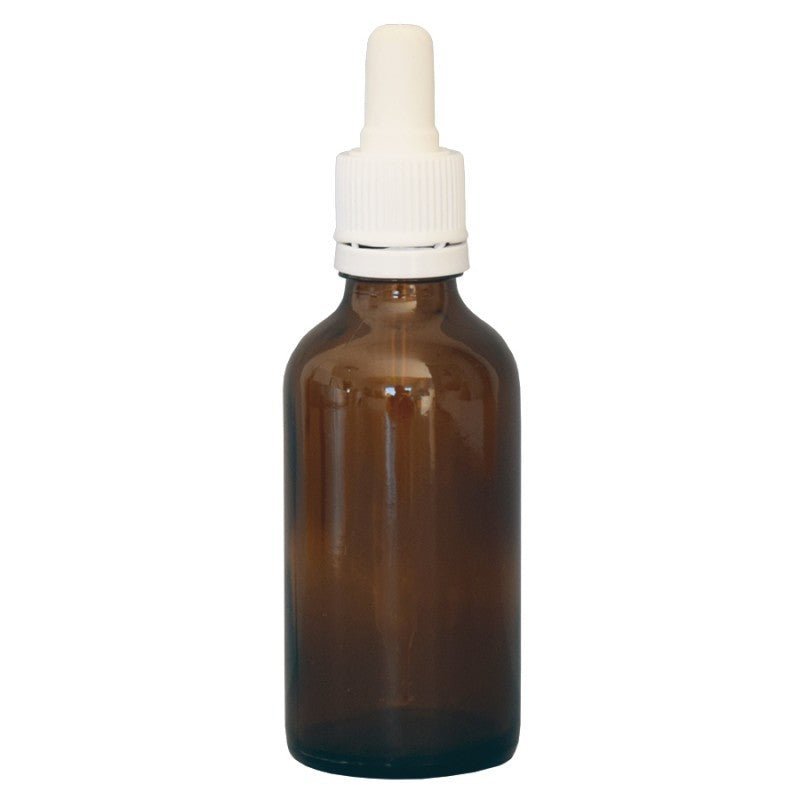
Store essential oils in dark glass bottles (never plastic).
Keep them in a cool, dark, dry place, away from sunlight and heat.
Citrus oils spoil faster - keep them in the refrigerator for longer life.
Always keep bottles tightly closed with droppers intact, and well out of reach of children.
Label your blends clearly with the date, ingredients, and who they were prepared for.
Essential Oils to Avoid with Children
Some oils are too strong or potentially unsafe for children and should be avoided unless prescribed by a qualified practitioner. These include:
Rosemary (Rosmarinus officinalis)
Hyssop (Hyssopus officinalis)
Sweet Fennel (Foeniculum vulgare)
Sage (Salvia officinalis)
Camphor (Cinnamomum camphora)
Instead, for sensitive cases (such as children with epilepsy), stick to gentle calming oils like:
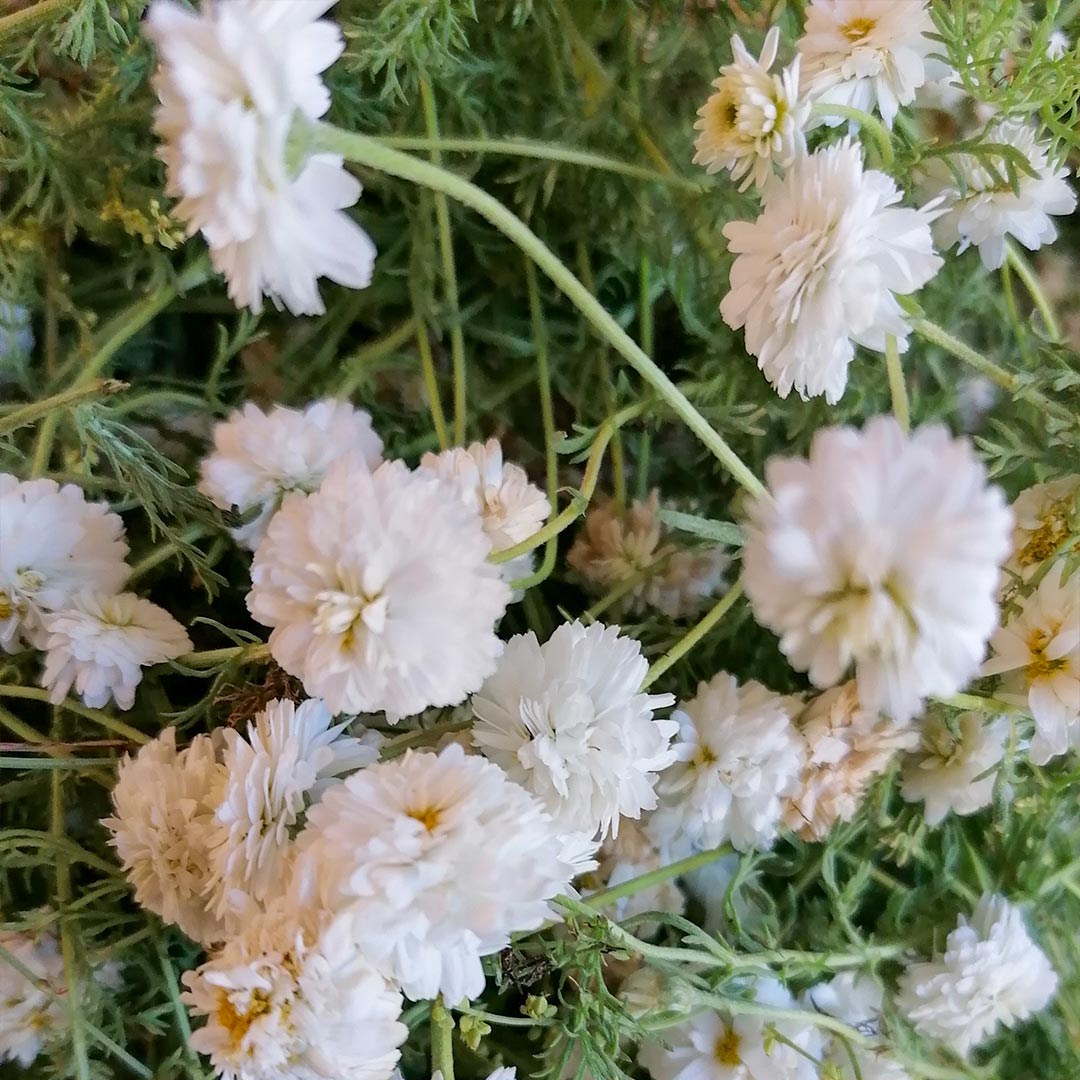
Chamomile (Roman)
Lavender
Jasmine
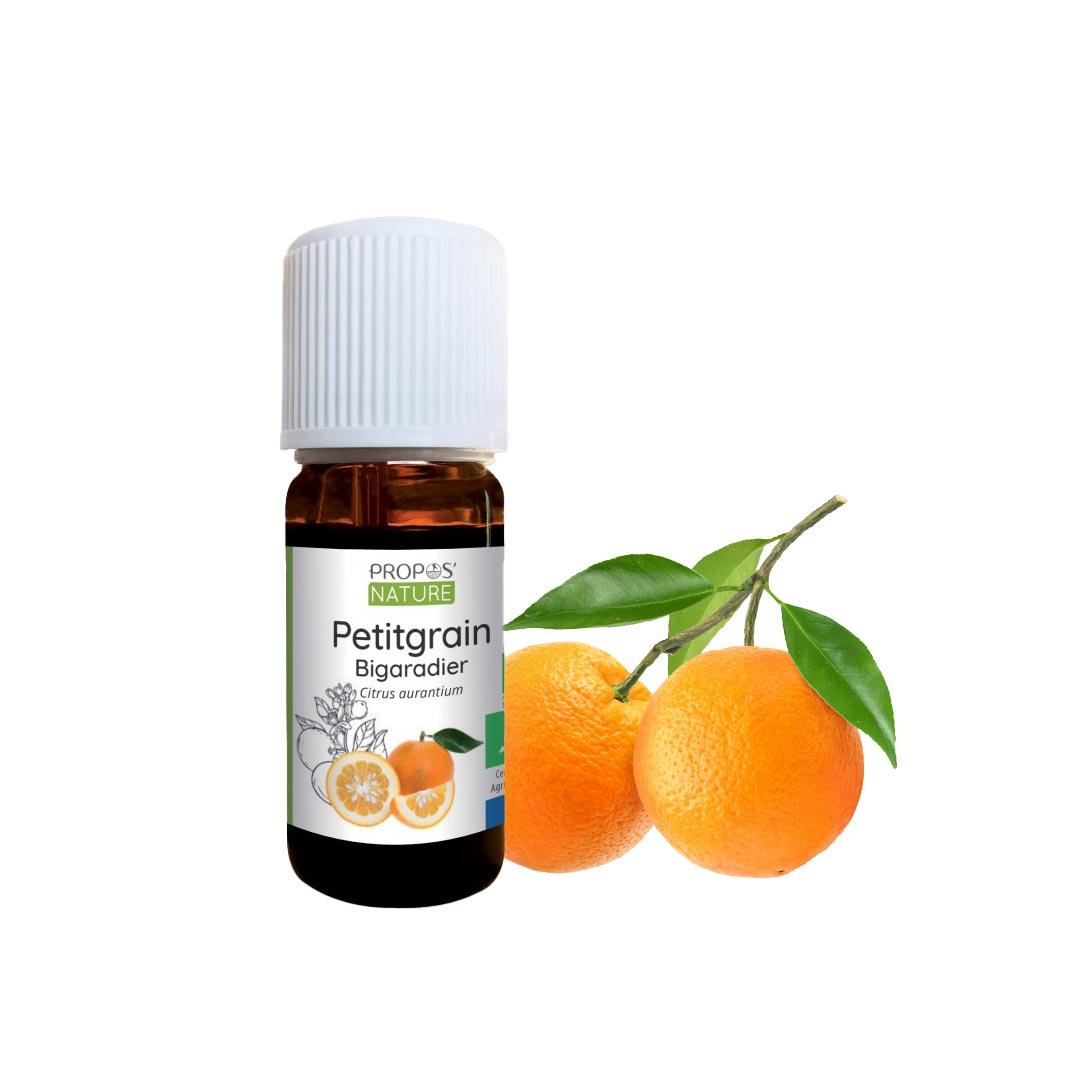
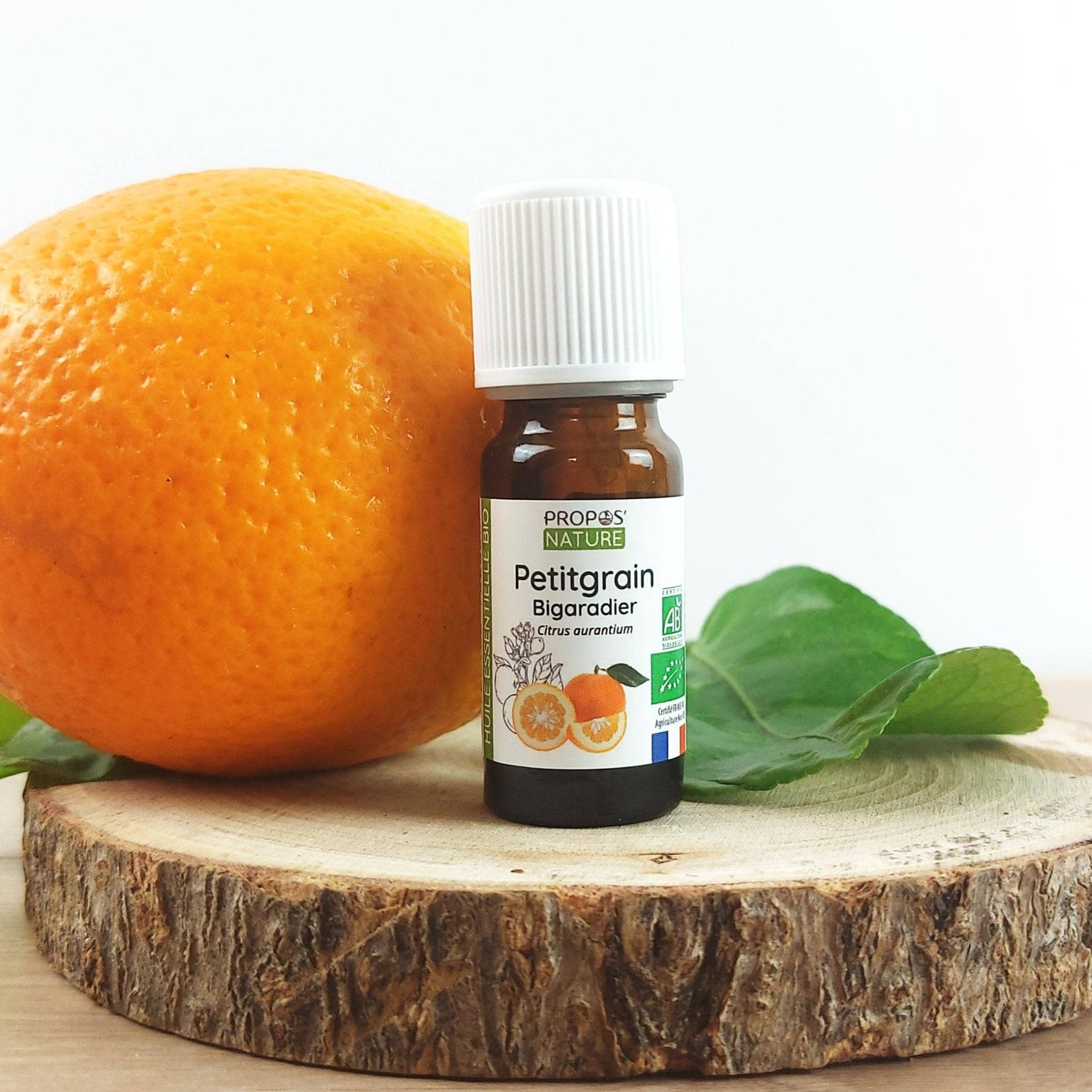
Petitgrain
Neroli
Rose Otto (Rose Damask)
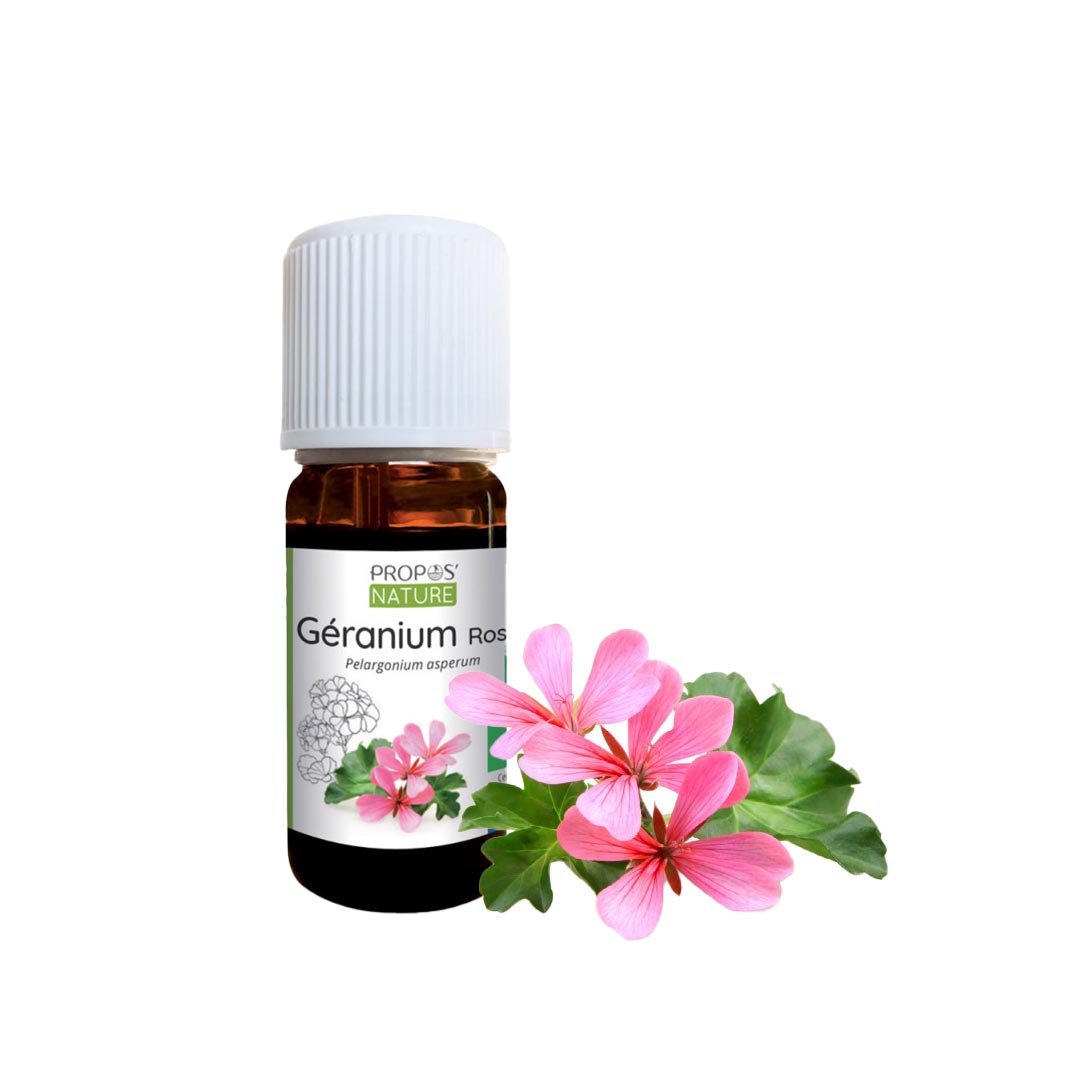
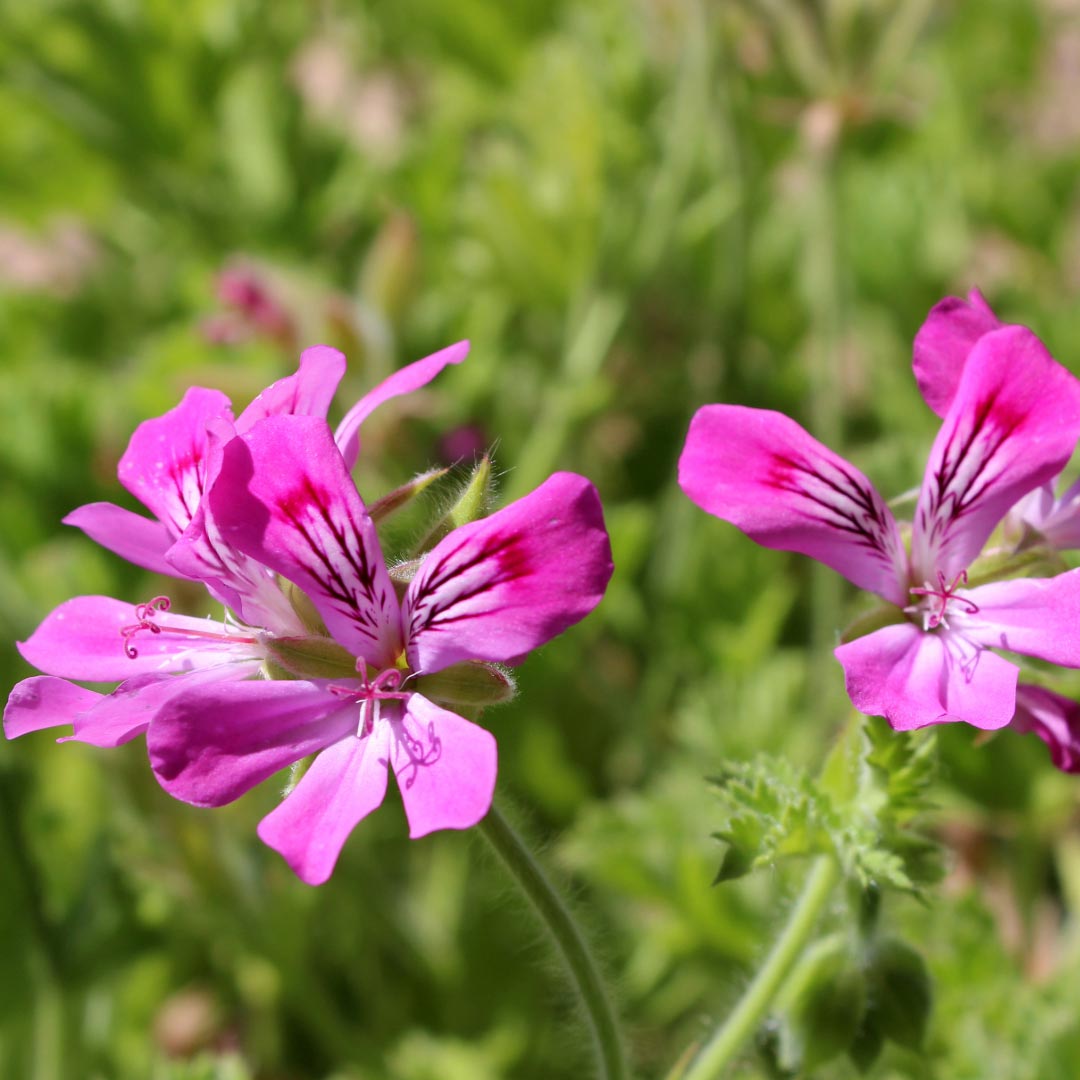
Geranium
Patch Testing for Sensitive Skin
Children’s skin can be very reactive. Before using a new blend:
1. Apply a small amount to the inside of your child’s forearm.
2. Wait 12–24 hours to check for redness, itching, or irritation.
3. If no reaction occurs, the oil is safe to use in the recommended dilution.
Special Precautions for Parents
Do not use essential oils neat (undiluted) on children’s skin (unless a method specifically calls for 1 drop on clothing, dressings, or cotton swabs).
Avoid the eyes, nose, and mouth. If oils get into the eye, rinse thoroughly with water and seek medical advice if stinging continues.
Never give essential oils by mouth. If swallowed accidentally, give a large glass of milk and seek emergency help.
Watch for sun safety. Some citrus oils (bergamot, grapefruit, lemon, lime, mandarin, tangerine) make the skin more sensitive to UV rays. Don’t use these before sun exposure.
Reduce dosage when on medication. If your child is taking medication, use half the recommended dilution.
Remember oils are flammable. Keep away from naked flames or heat sources.
Carrier Oils for Children
Essential oils shouldnever be applied directly to a child’s skin- they must always be diluted in a carrier oil. Carrier oils (sometimes called base oils or vegetable oils) not only make essential oils safe to use, but also provide their own skin-nourishing benefits. Choosing the right carrier oil is just as important as selecting the essential oil itself.
Everyday Organic Vegetable Oils
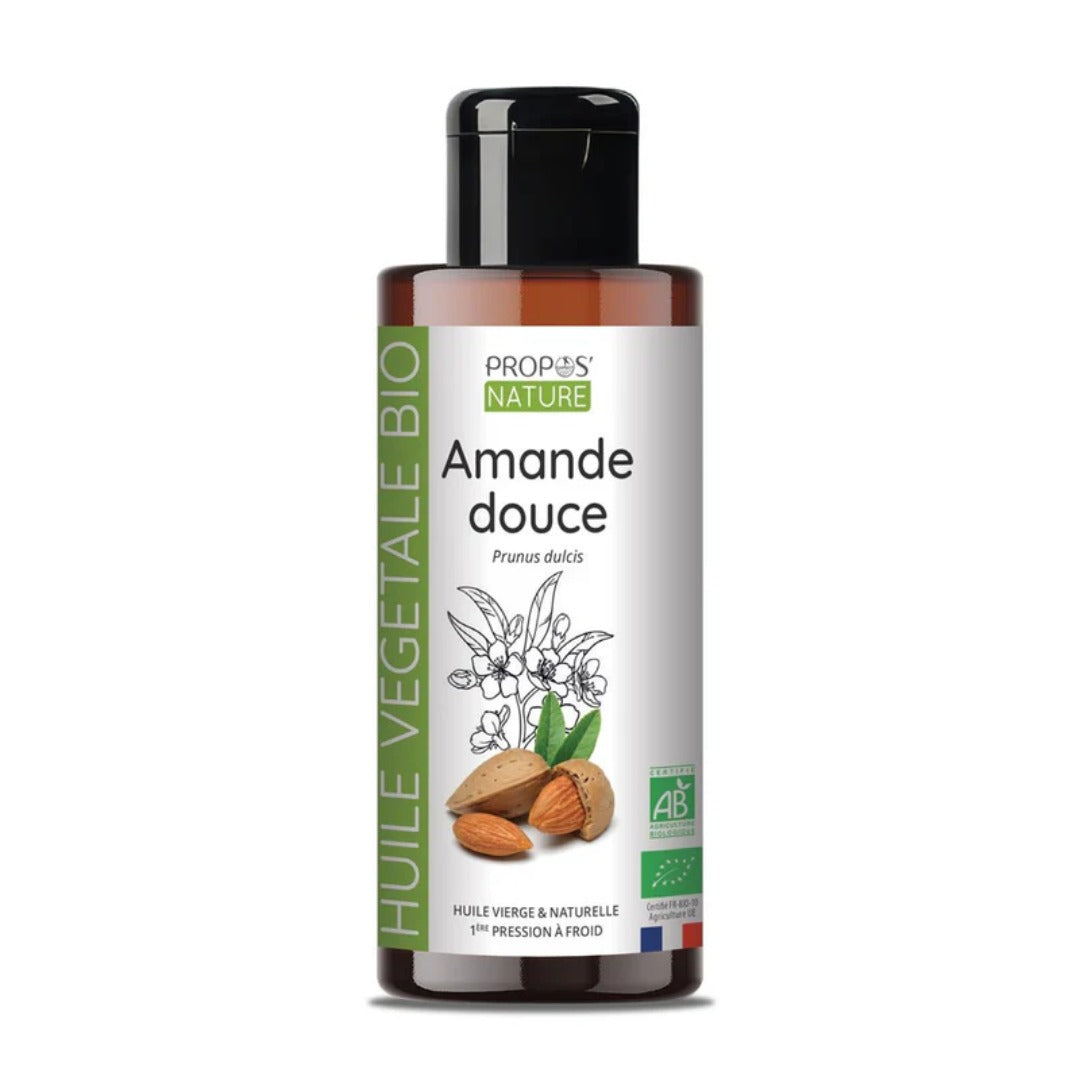
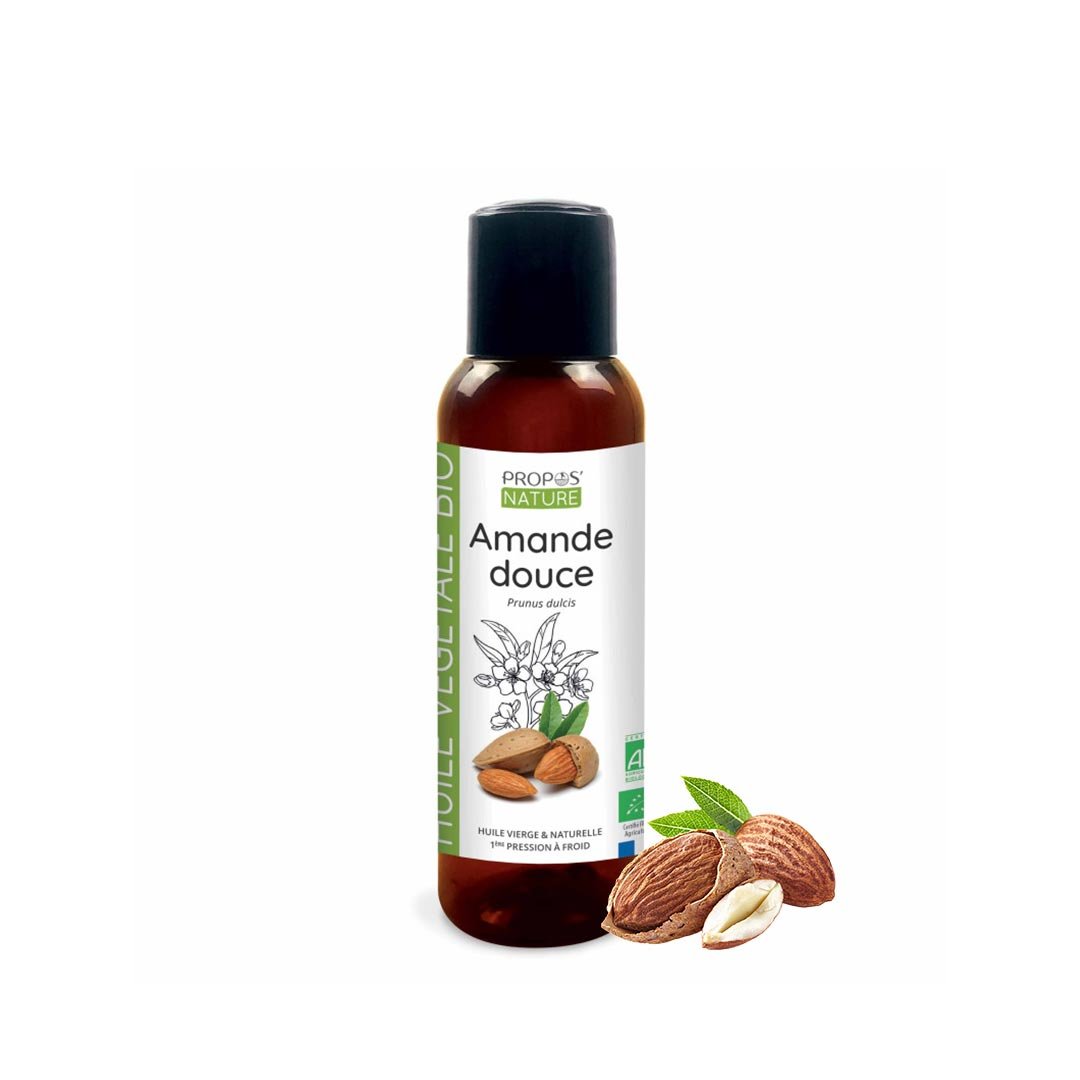
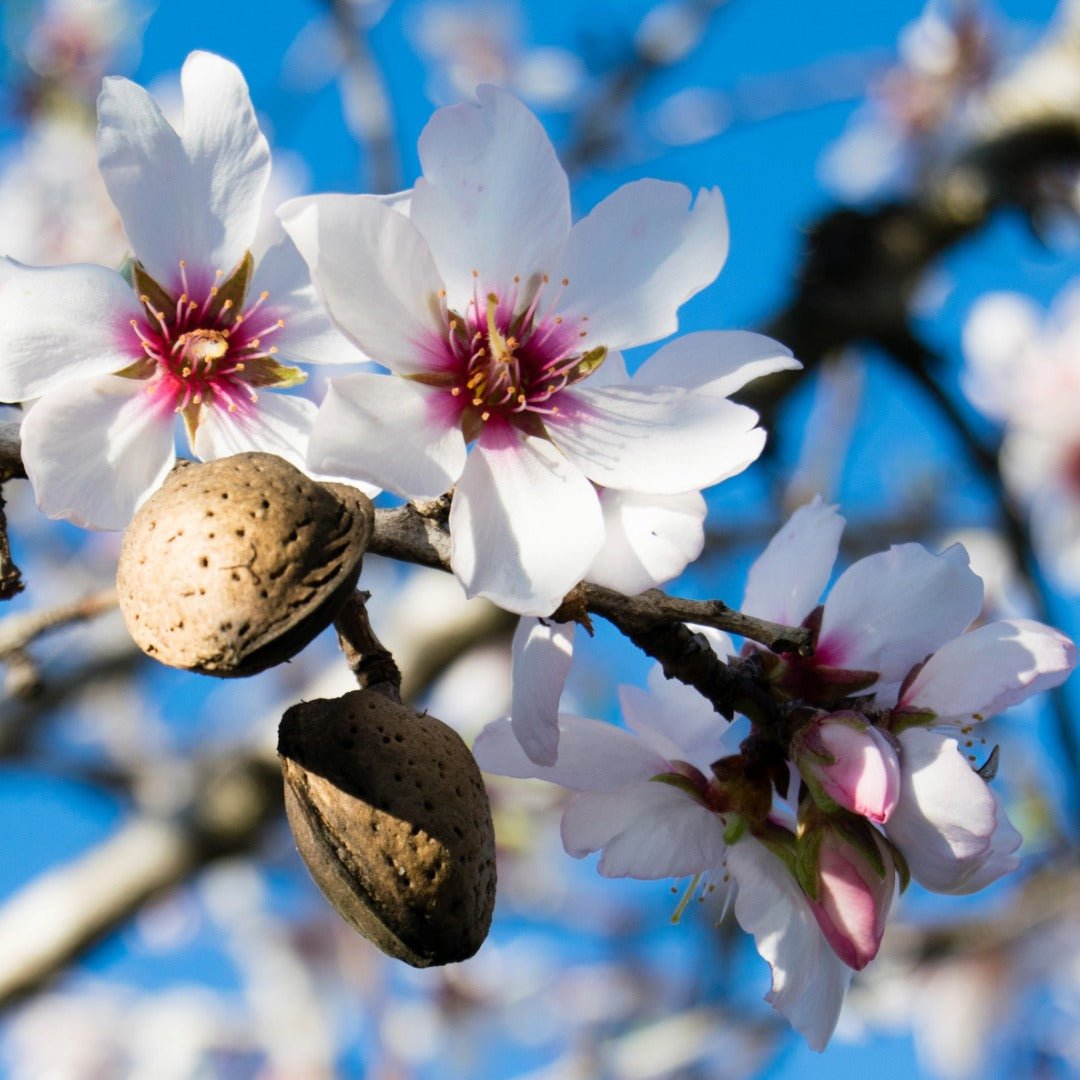
Sweet Almond Oil
The most versatile and gentle carrier oil for children. It is softening, nourishing, and suitable for nearly all situations. A perfect “go-to” base oil.
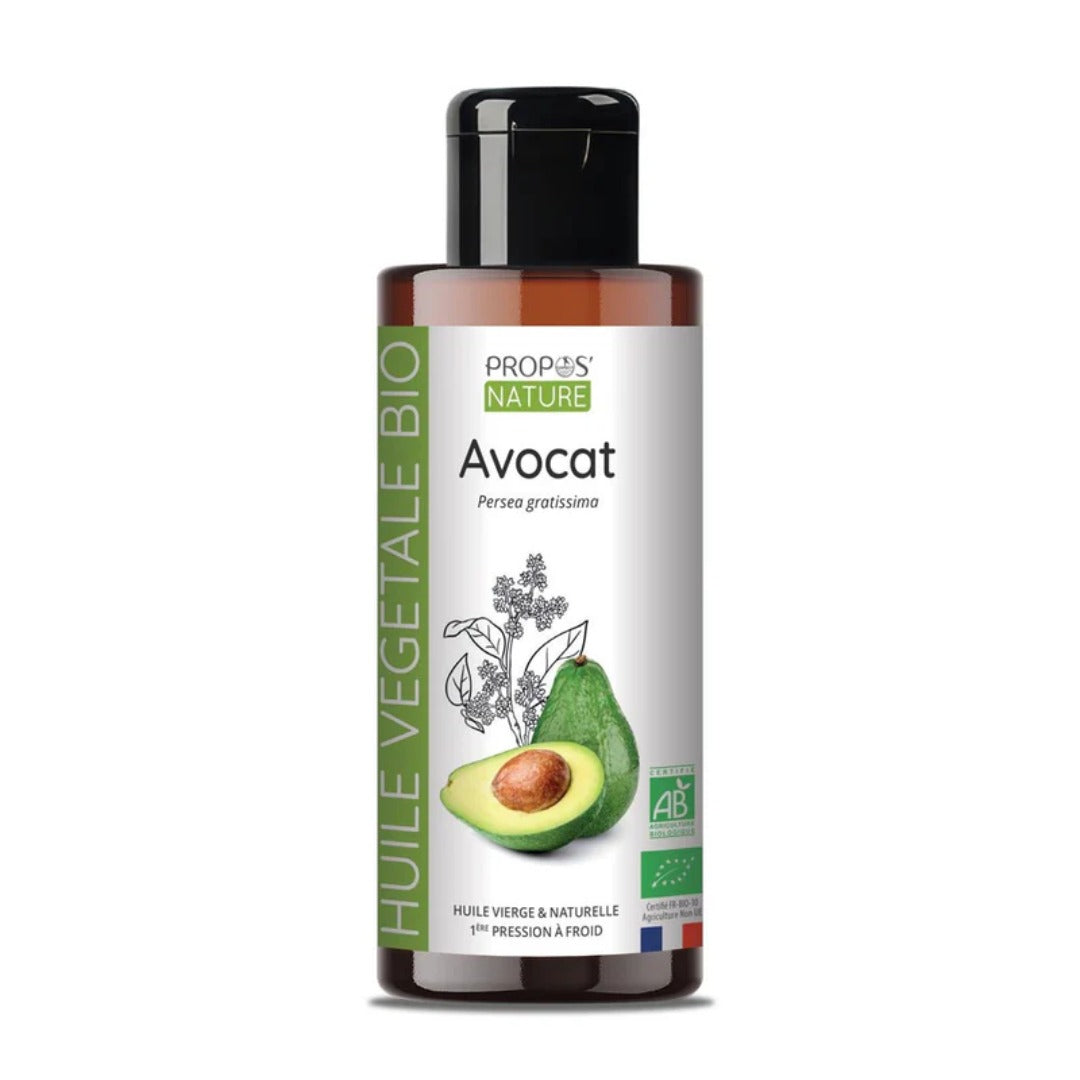
Avocado Oil
Deeply nourishing and rich in vitamins and minerals. Best used mixed with another carrier (for example, 1 part avocado to 2 parts almond oil). Especially helpful for dry or flaky skin.
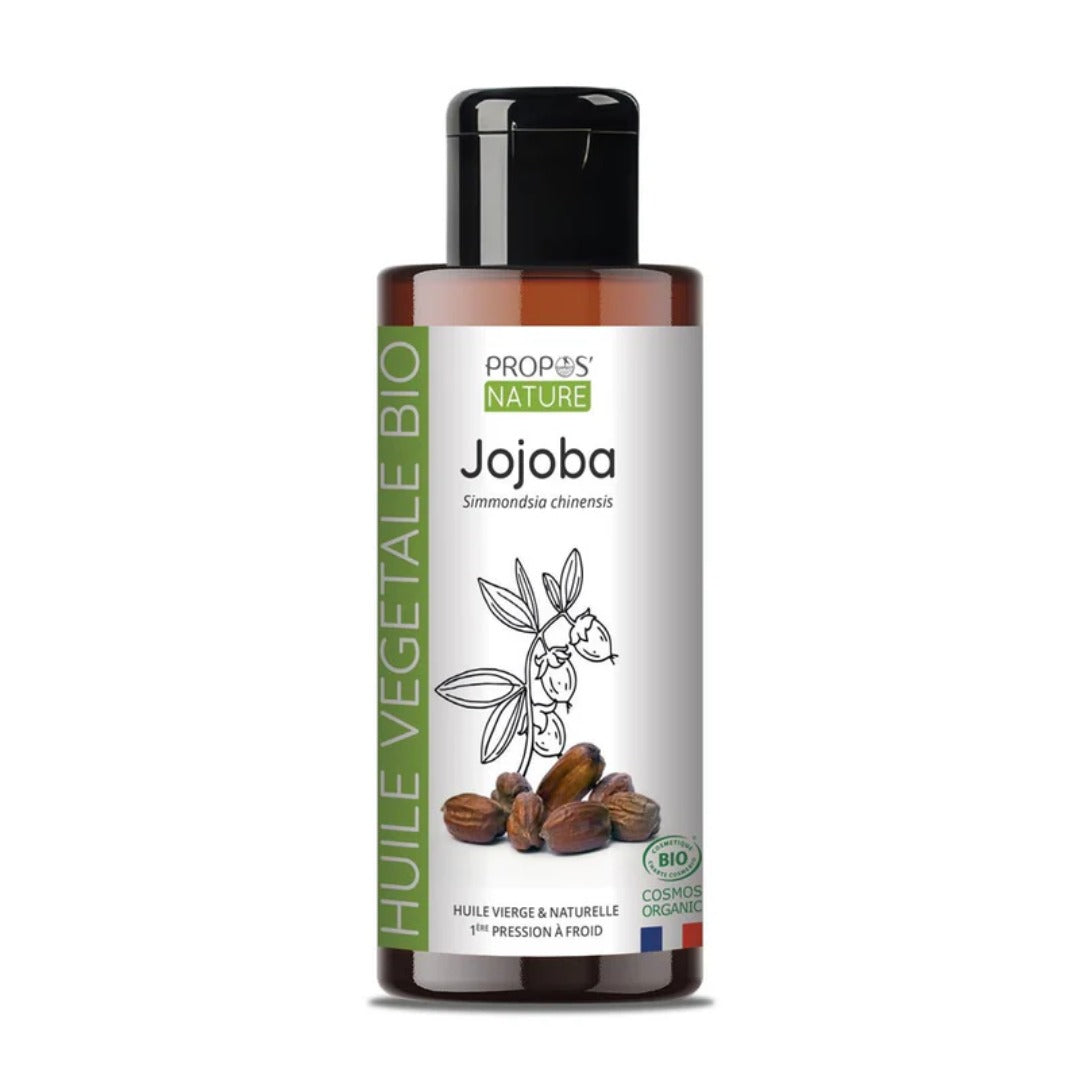
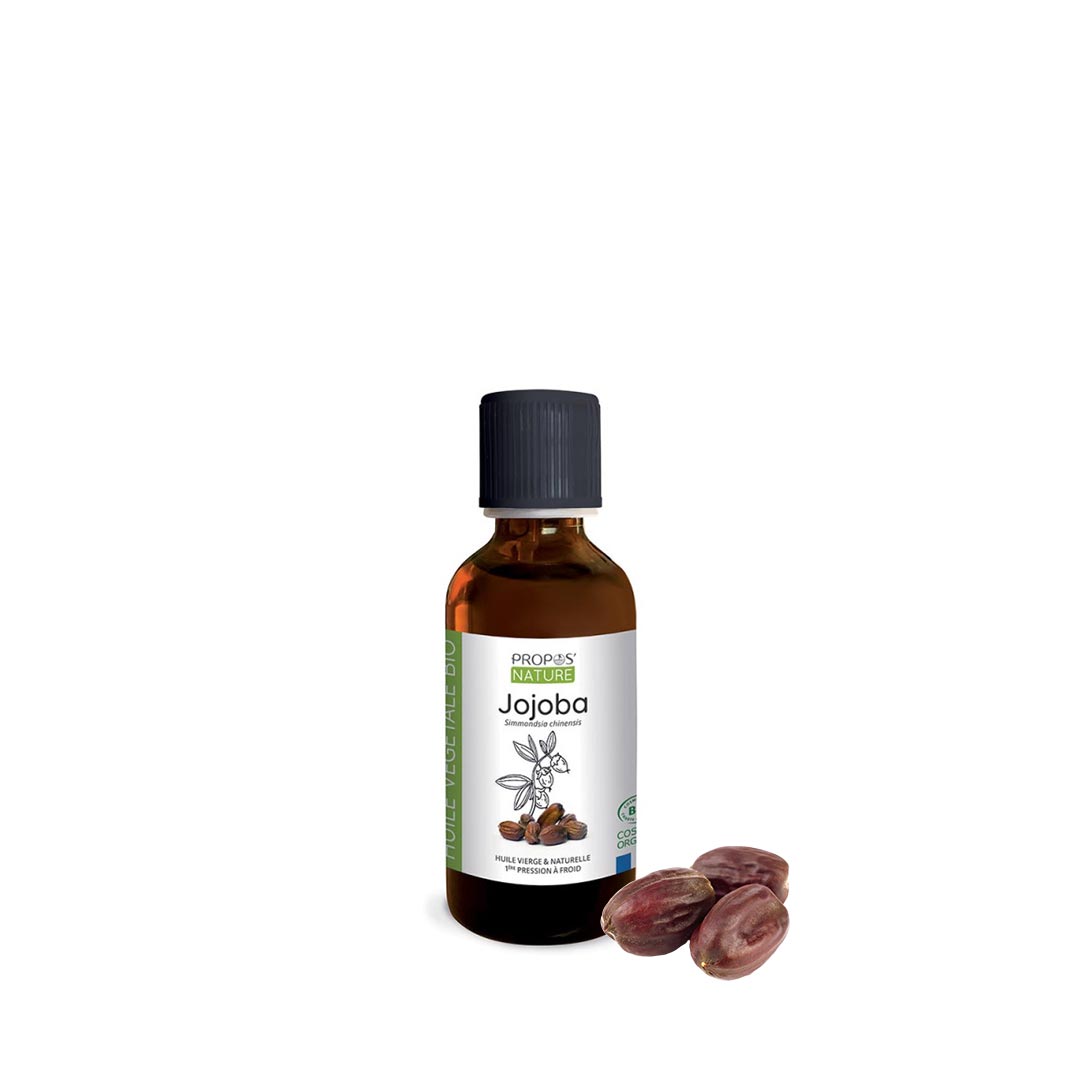
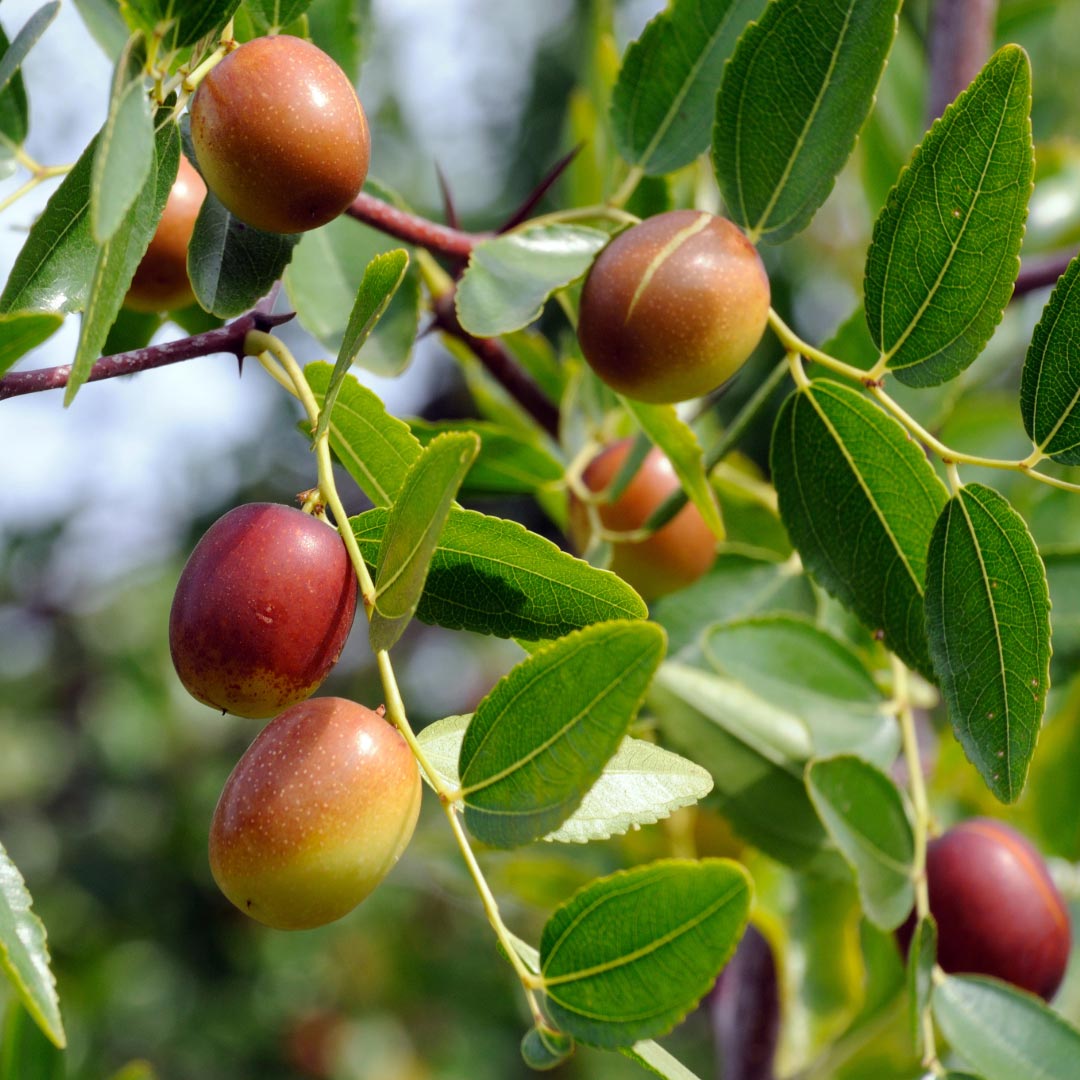
Jojoba Oil
Technically a liquid wax rather than an oil, jojoba is excellent for scalp and hair care. Softens and protects the skin. Best used in small amounts blended with other carrier oils.
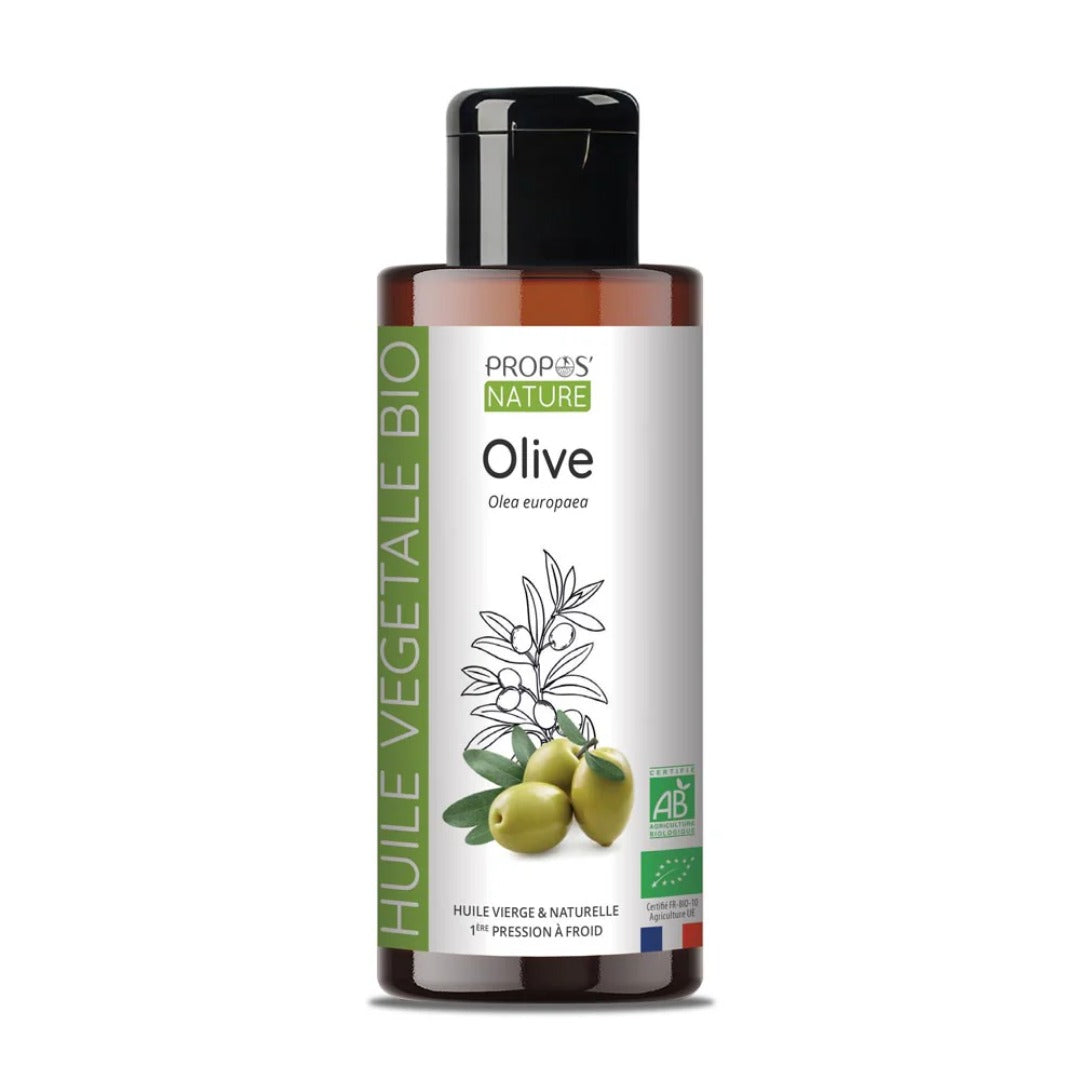
Olive Oil
A traditional healing oil that is nourishing and protective. Use only high-quality, cold-pressed, virgin olive oil. The aroma is strong, so it can sometimes overpower the scent of essential oils.
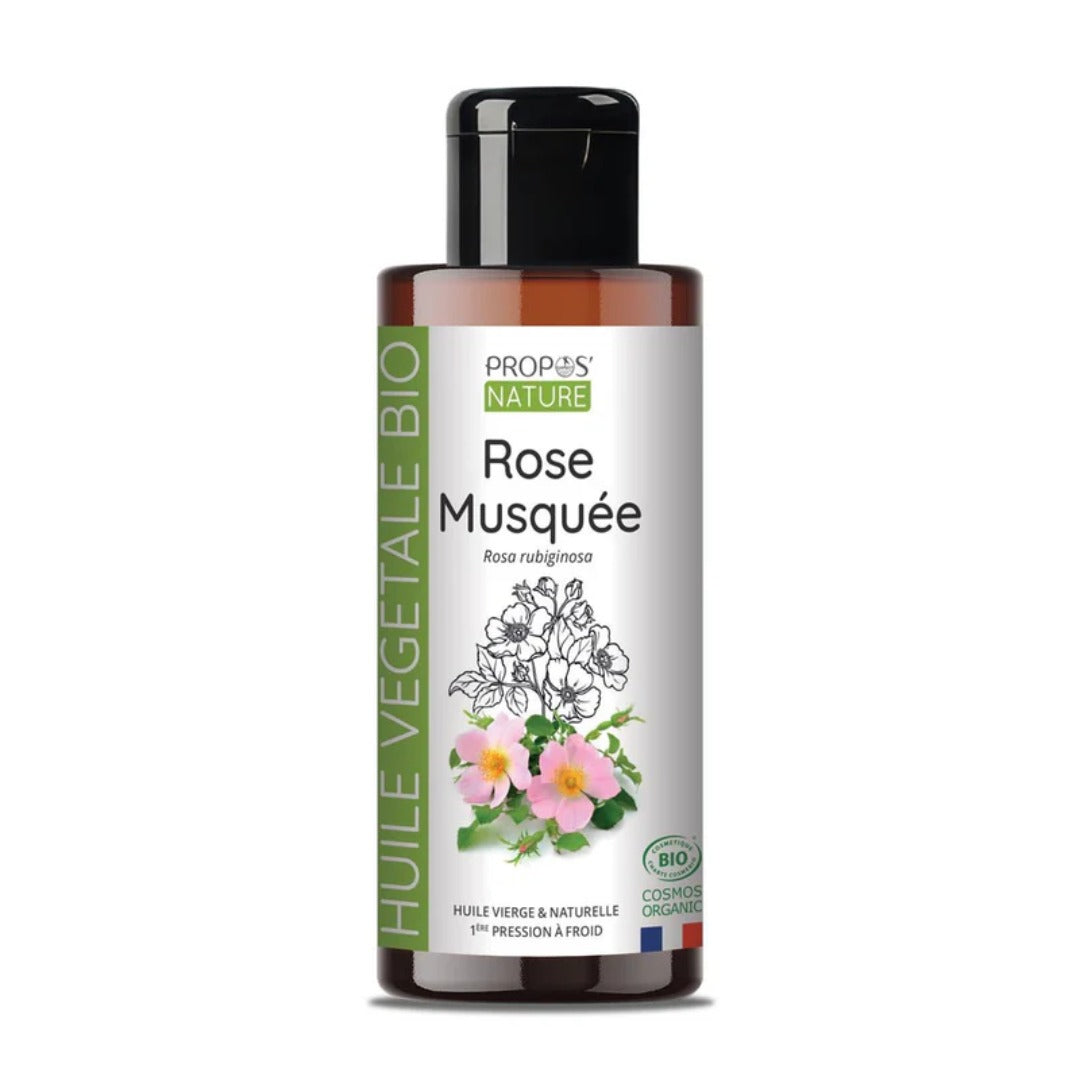
Rosehip Seed Oil
A regenerative oil with powerful skin-healing properties. Very useful for scarring and damaged skin. Use sparingly, mixed with other carrier oils.
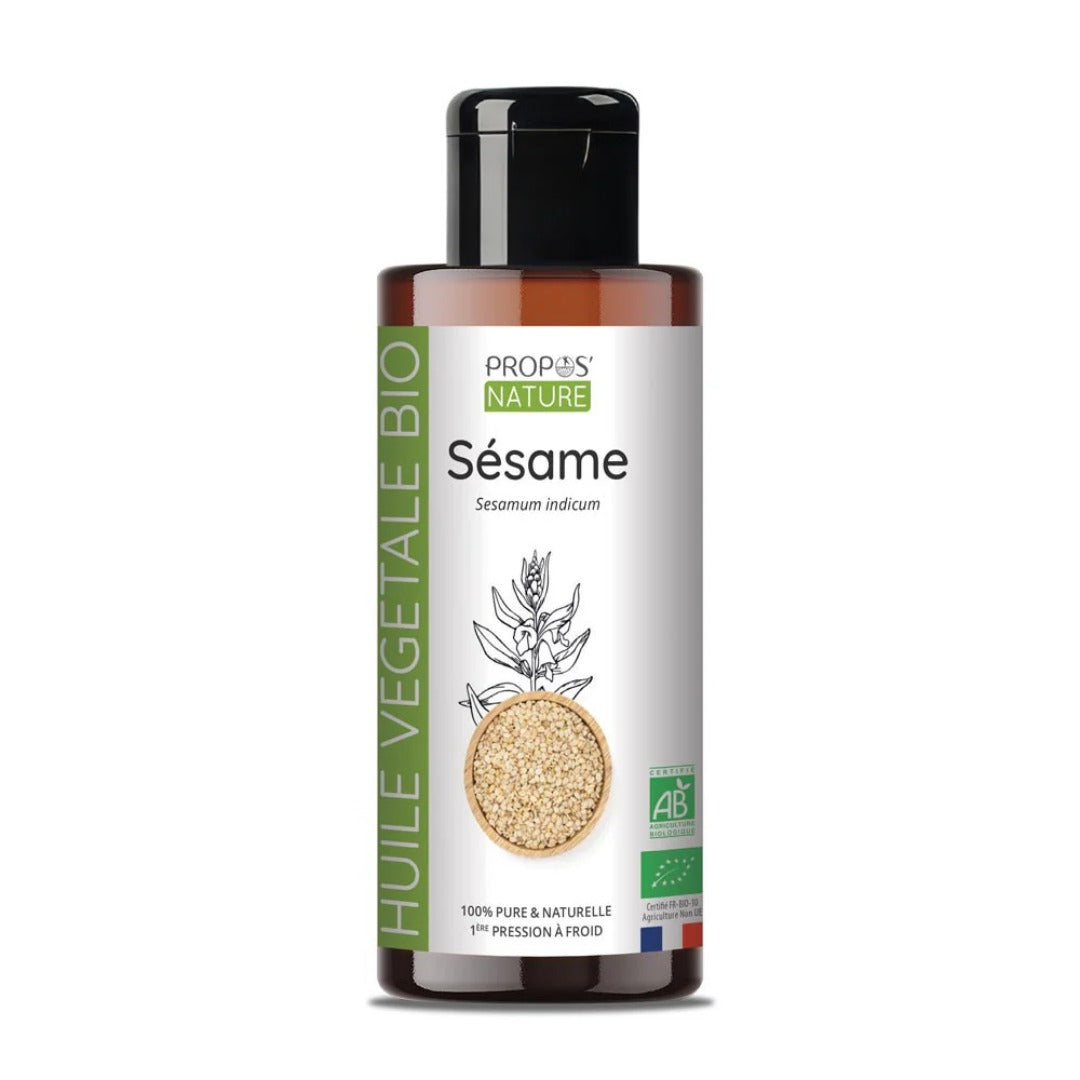
Sesame Oil
Share blog posts, products, or promotions with your customers. Use this text to describe products, share details on availability and style, or as a space to display recent reviews or FAQs.
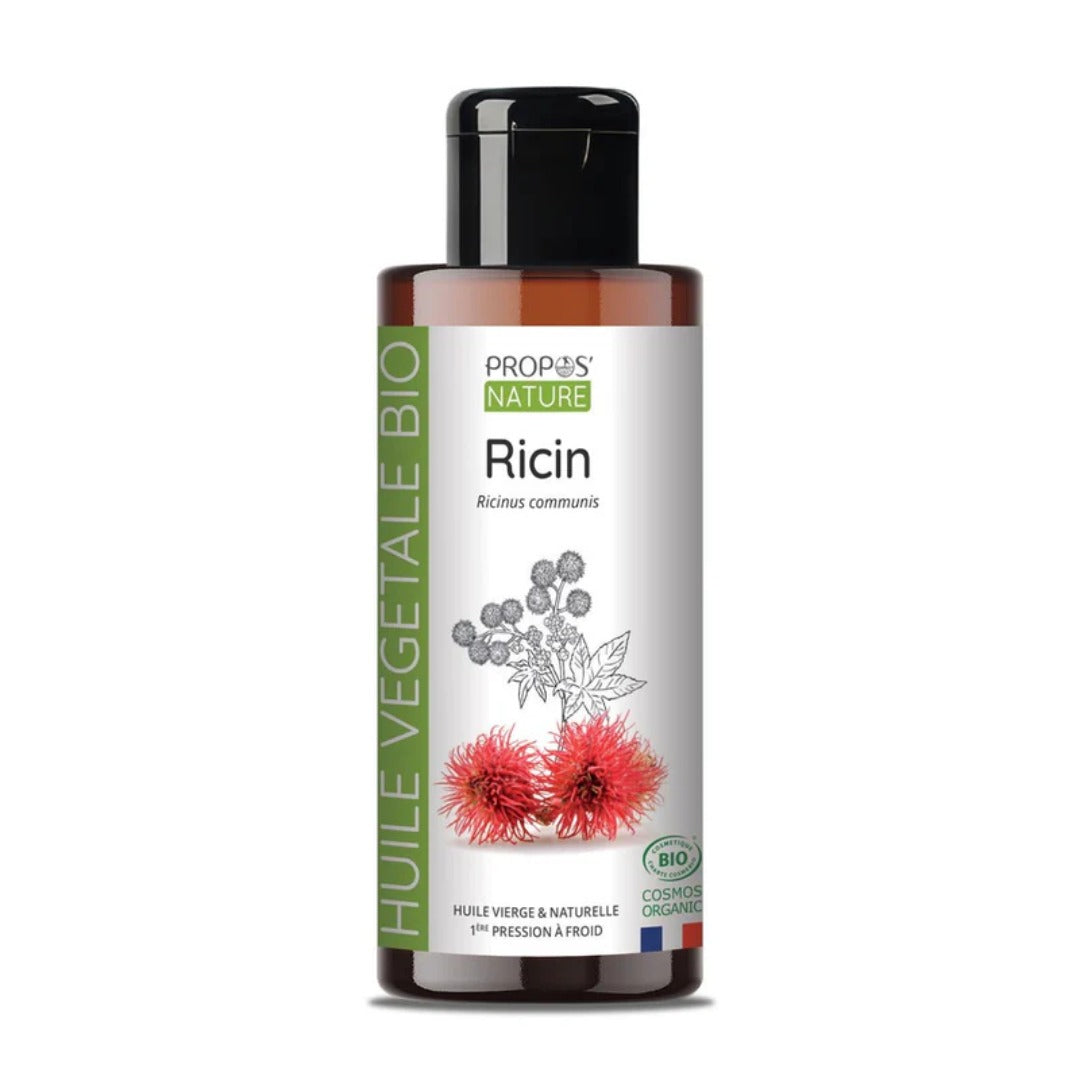
Castor Oil
Share blog posts, products, or promotions with your customers. Use this text to describe products, share details on availability and style, or as a space to display recent reviews or FAQs.
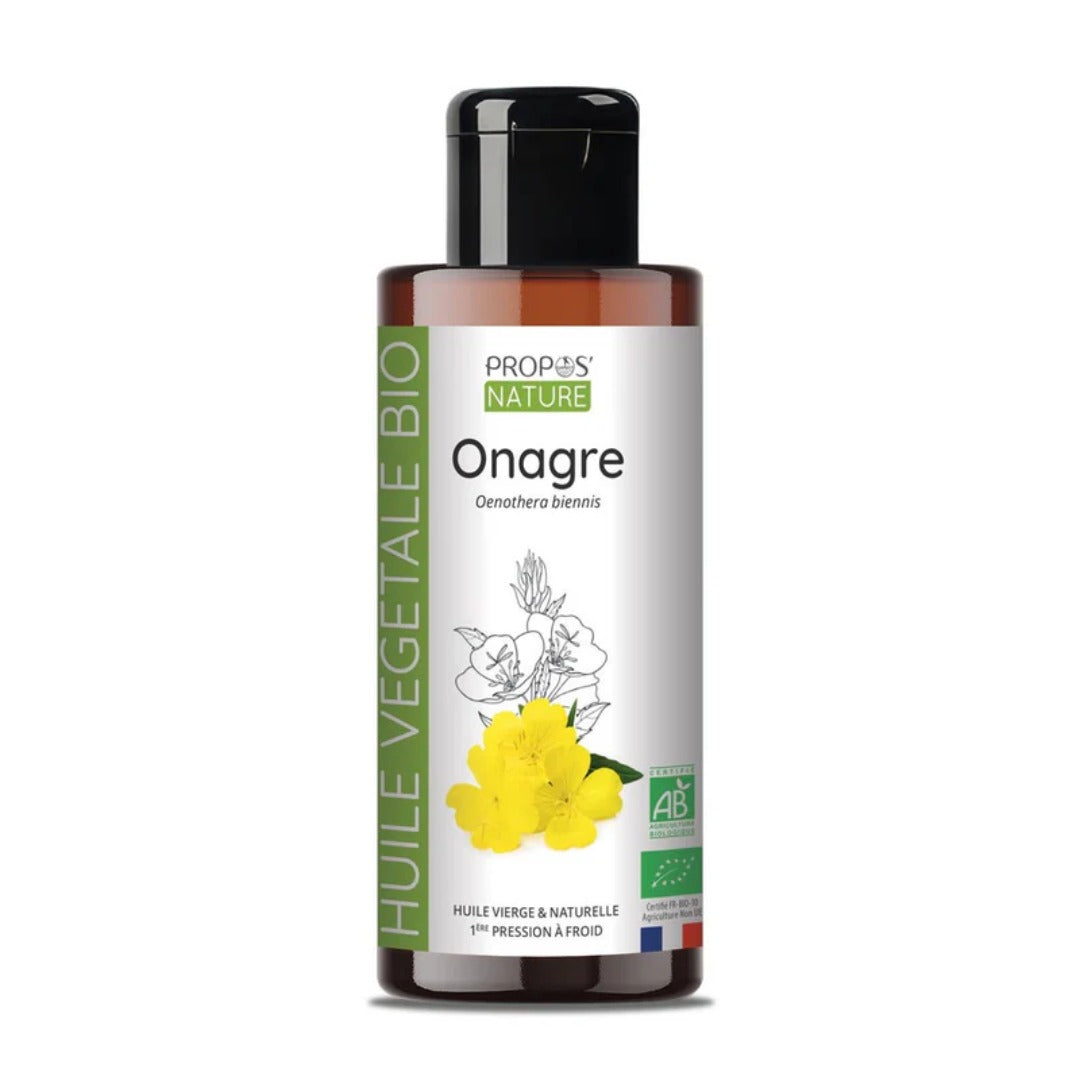
Evening Primrose Oil
Best used in very small amounts alongside other oils. Helpful for keeping skin healthy and supporting skin repair.
Infused Oils for Children
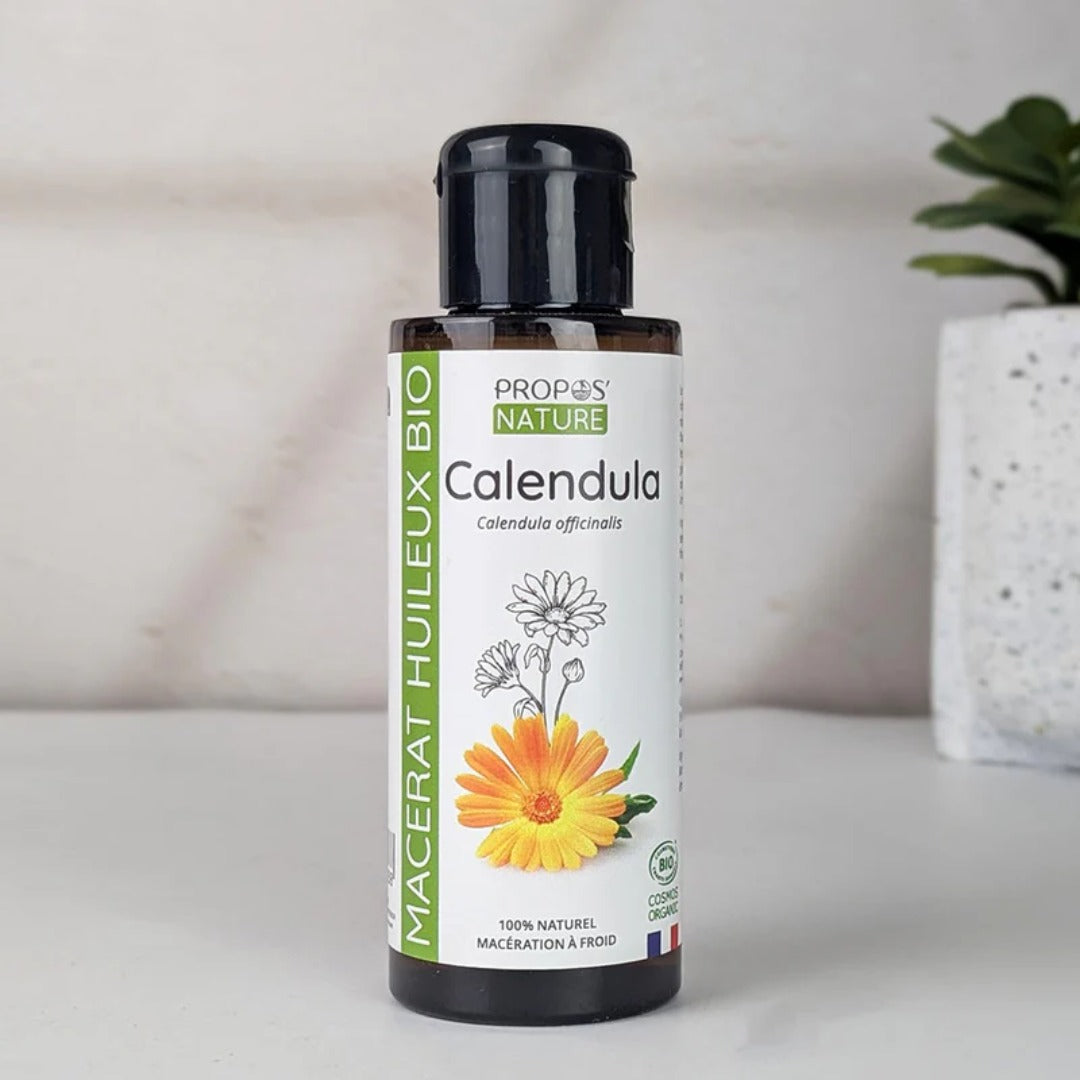
Calendula Oil
Bright orange oil made from marigold flowers. Known for its skin-healing, soothing, and anti-inflammatory effects. Perfect for rashes, irritation, or sensitive skin.
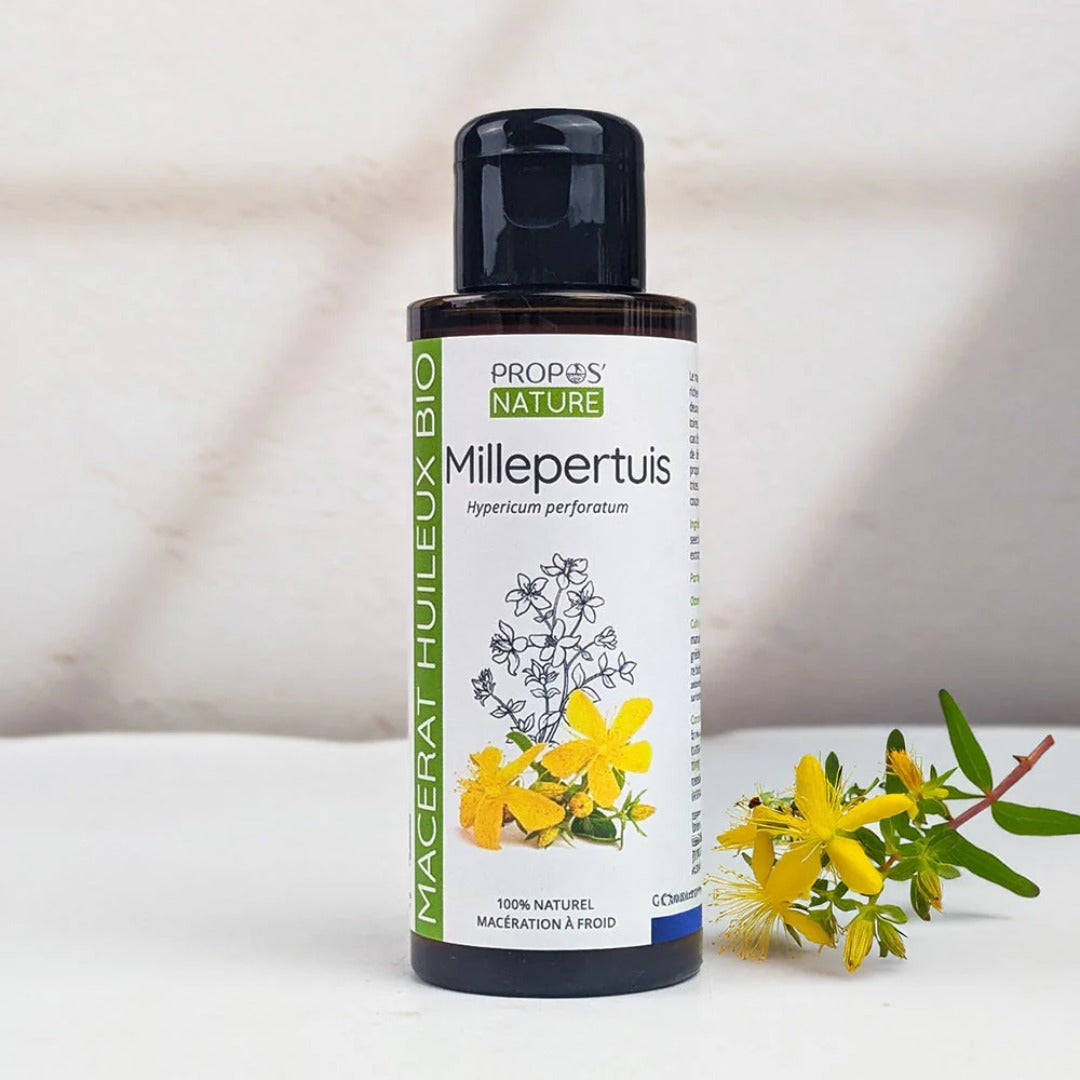
St. John’s Wort Macerate
Share blog posts, products, or promotions with your customers. Use this text to describe products, share details on availability and style, or as a space to display recent reviews or FAQs.
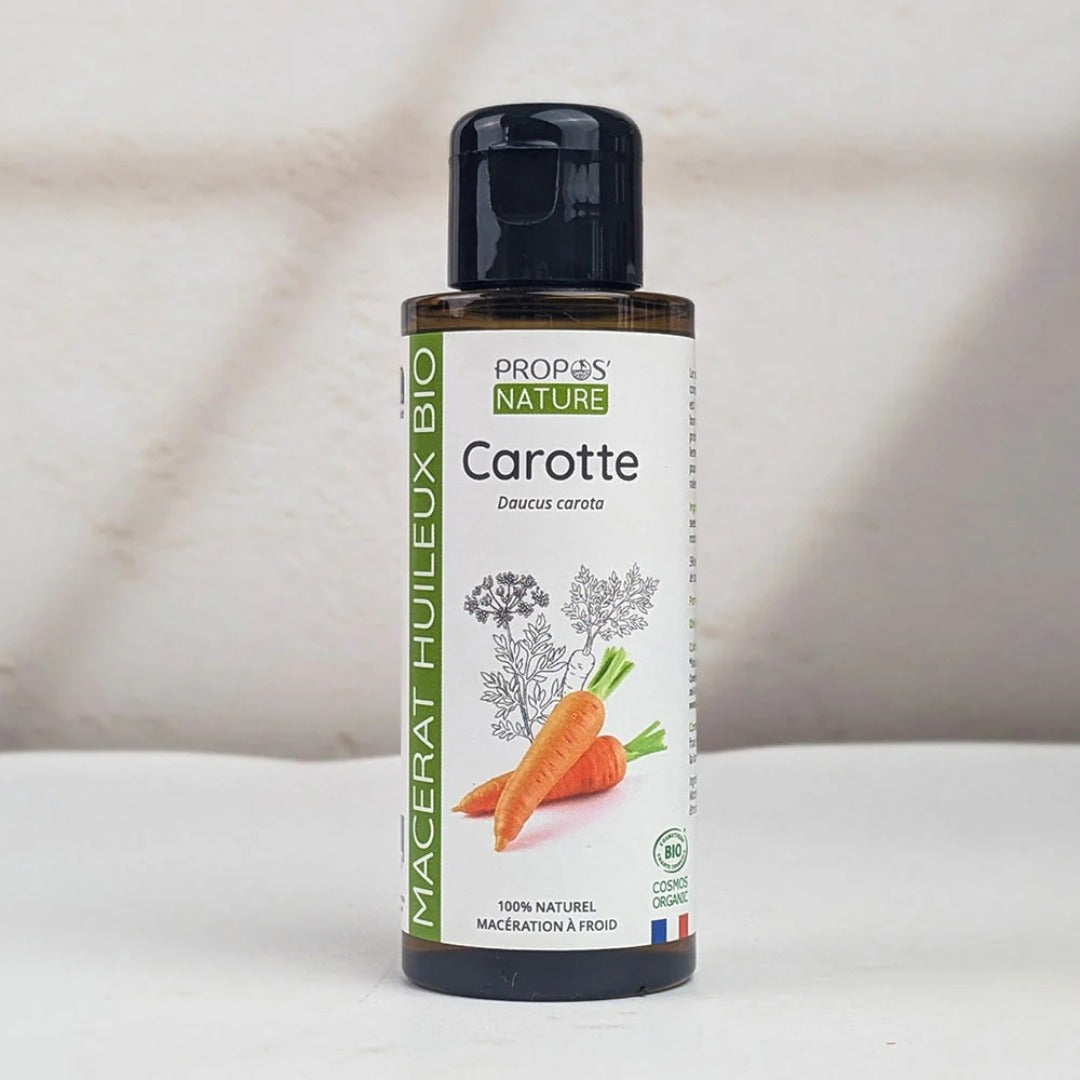
Carrot Macerate
Share blog posts, products, or promotions with your customers. Use this text to describe products, share details on availability and style, or as a space to display recent reviews or FAQs.
Methods of Using Essential Oils with Children
There are many ways to use essential oils with children - but each method comes with its own rules for age, dilution, and safety. Below you’ll find the most common and effective methods, with clear guidelines so you can use them with confidence.
Baths
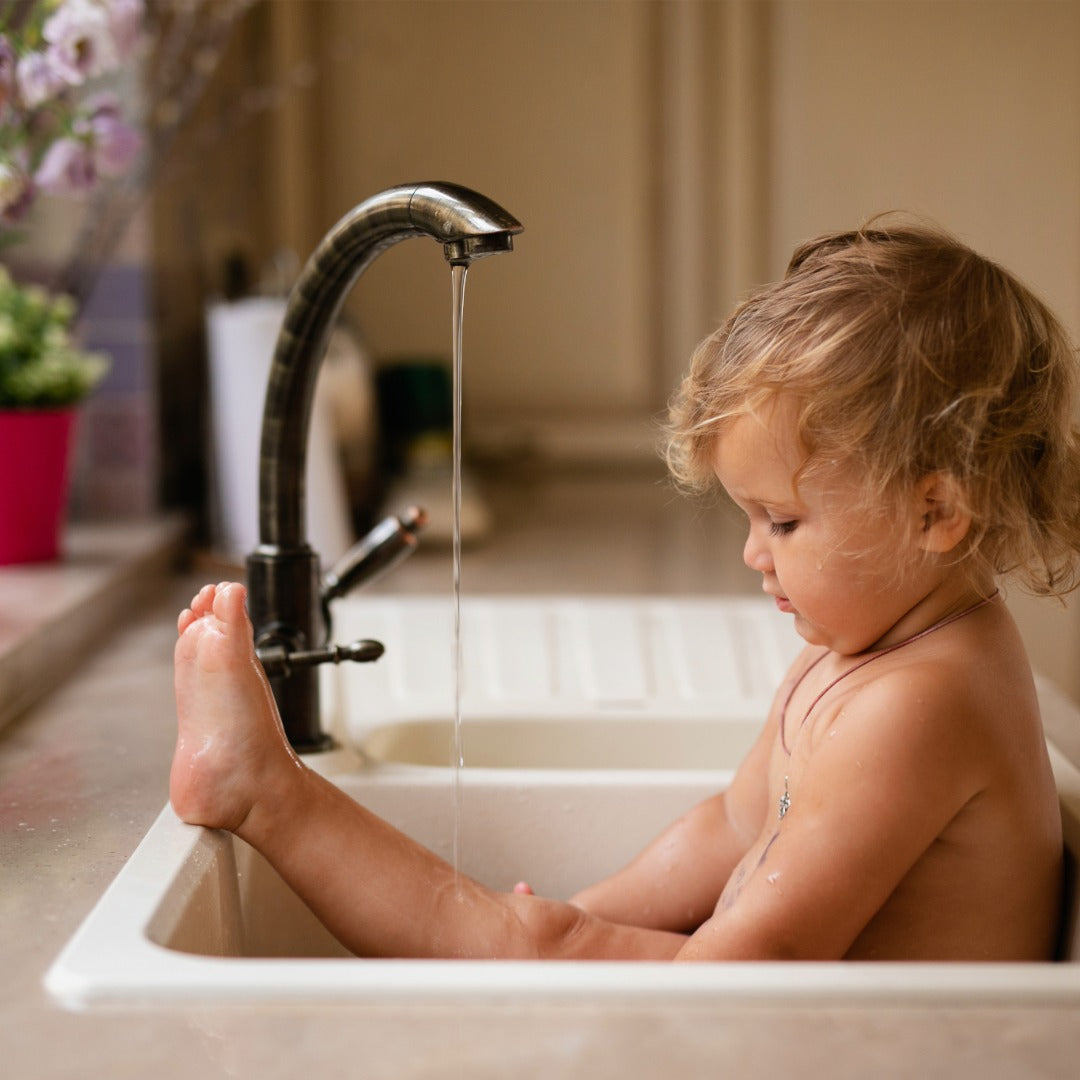
Adding essential oils to bath time is a gentle and soothing way to use them with children. Oils must always be diluted first in a little vegetable oil, milk, orsolubolbefore adding to the bathwater.
How to use:1. Run the bath as usual.
2. Mix the essential oil with 10 ml (2 teaspoons) of carrier oil, solubol or milk.
3. Swish into the bathwater before your child gets in.
Recommended amounts:Newborn-6 months: 1 drop → use only ¼ of this amount
6 months-2 years:1 drop → use ½ this amount
2–5 years:1-2 drops → use ½ this amount
6–10 years:1-3 drops
11+ years:1-4 drops

Body Oil or Body Rub
Carrier oils with a few drops of essential oil can be used like a body lotion, gently massaged into the skin.
How to make:
1. Add essential oils to 30 ml of carrier oil.
2. If using more than one essential oil, blend them first, then add the carrier oil.
Recommended amounts (in 30 ml carrier oil):
Newborns: 0-1 drop
2-6 months: 1-2 drops
6-12 months: 1-3 drops
1-4 years: 1-5 drops
5-7 years: 3-6 drops
8-12 years: 5–9 drops
12+ years: 5–10 drops

Compresses
Compresses are useful for bruises, sprains, fevers, or skin conditions.
How to use:Add essential oil to 300ml of water (hot, warm, cool, or cold, depending on the condition).
Soak a natural cloth, squeeze out excess water, and place it over the affected area.
Recommended amounts:Children over 2 years: 2-4 drops

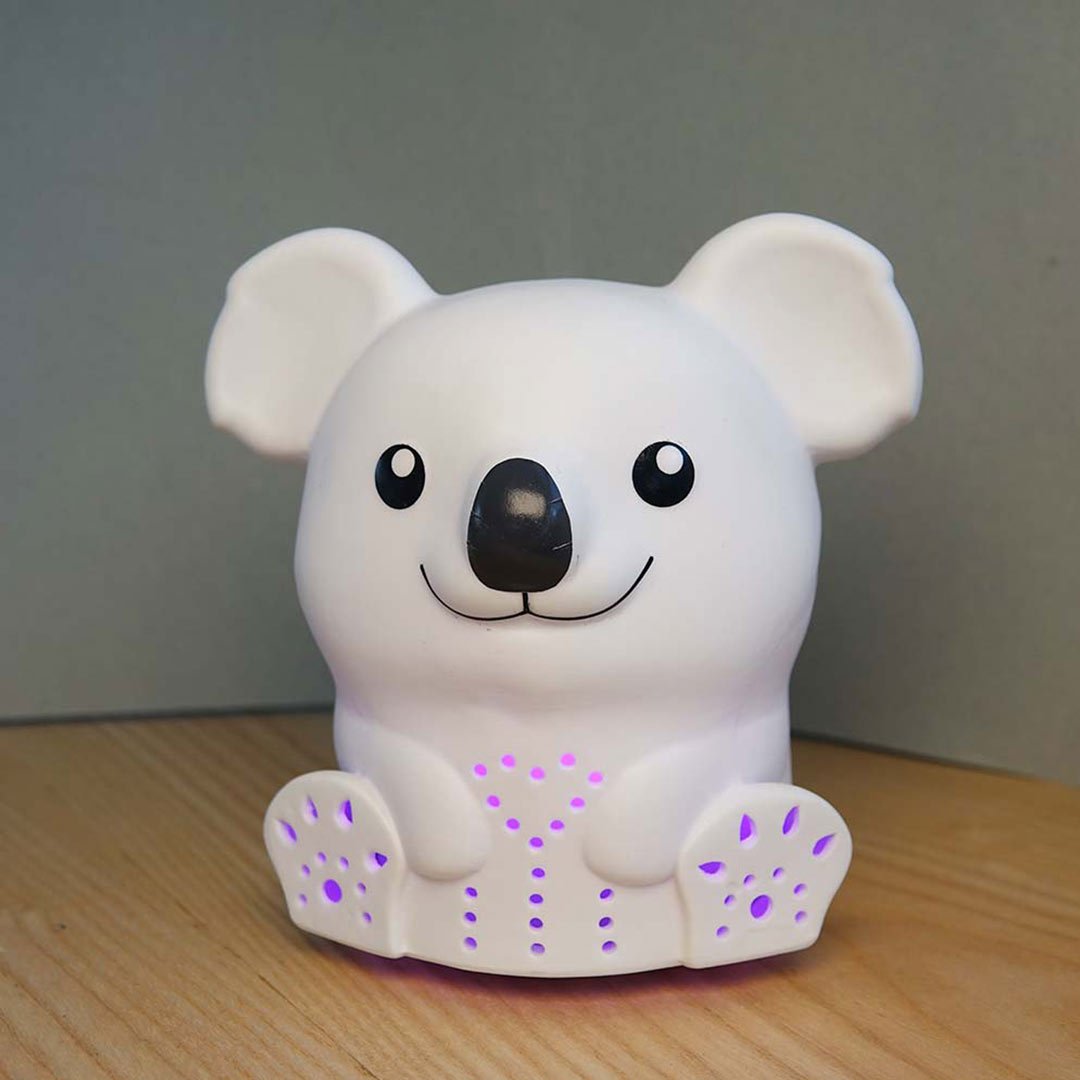
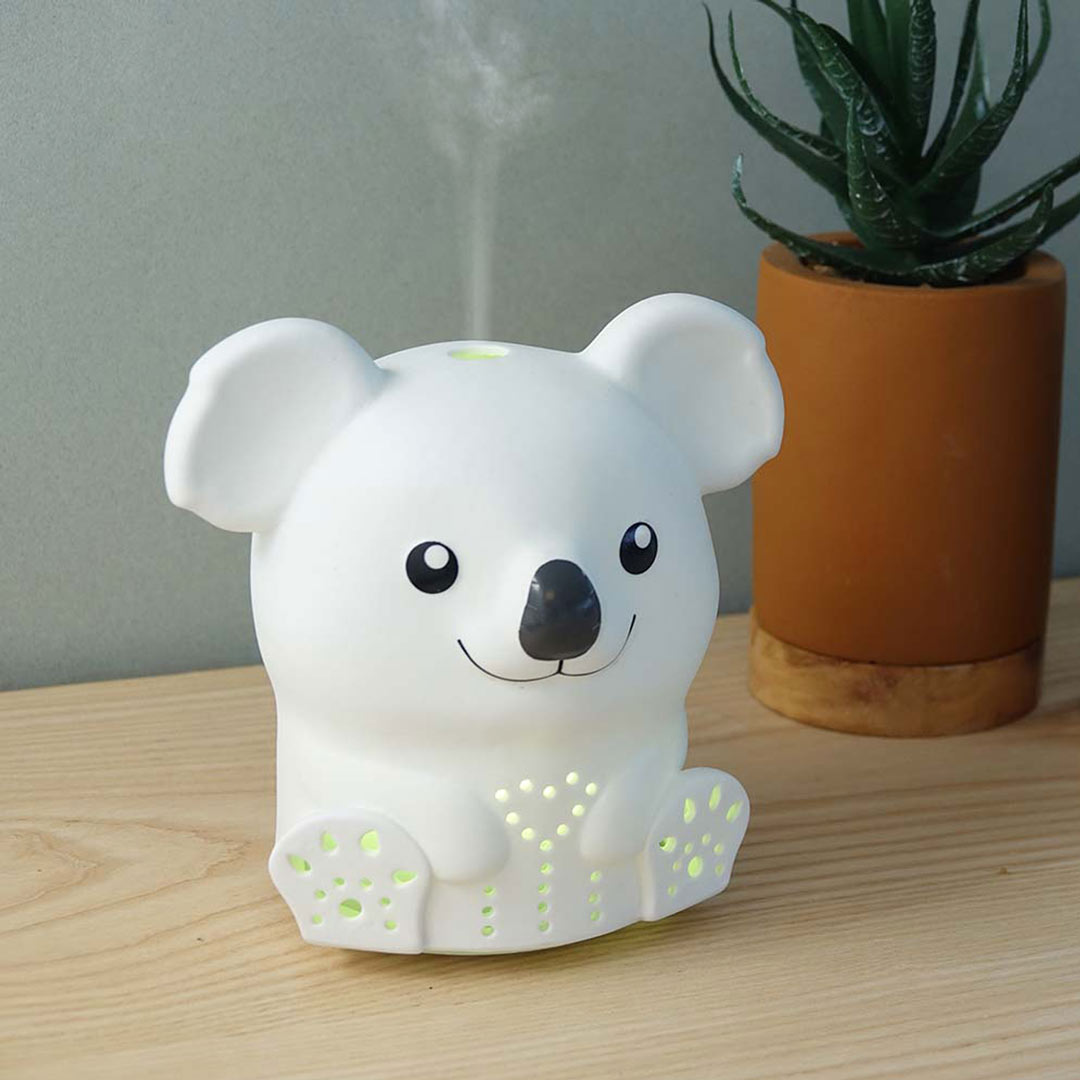
Aroma Diffusers
Diffusing essential oils can purify the air, ease breathing, or create a calming atmosphere.
Important:Never use nebulizers or vaporizers for children - they emit too much oil.
How to use:1. Add water to the bowl of your diffuser.
2. Place 1-5 drops of essential oil in the water.
Recommended amounts:Up to 2 years:1-2 drops
2-5 years:1-3 drops
6-10 years:1-4 drops
11+ years:1-5 drops
Cotton Swab Method (Q-tip)
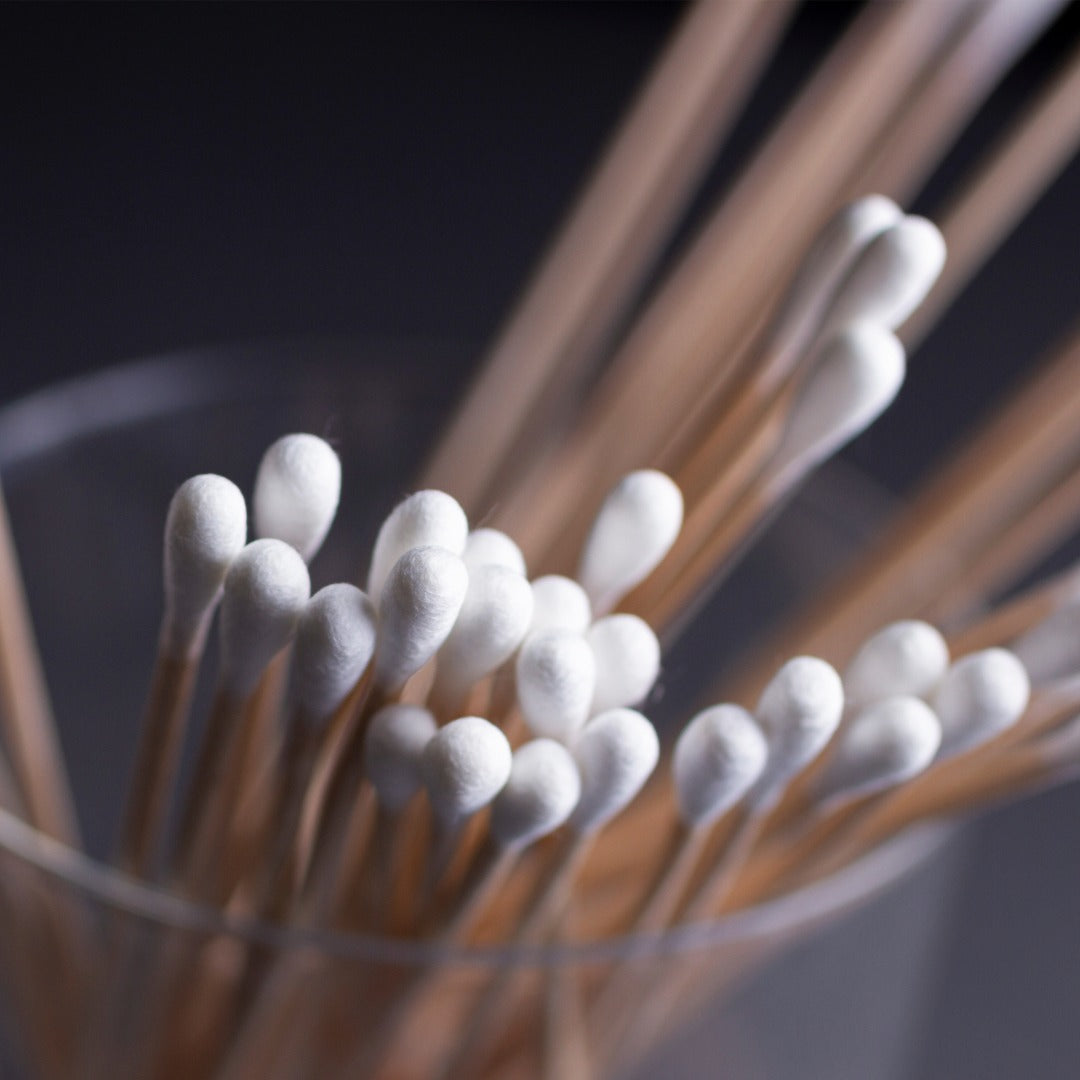
For very targeted use (like a cold sore or insect bite), you can apply a single drop of essential oil using a wet cotton swab.
Recommended amounts:Children over 2 years: 1 drop

Inhalation
A gentle way to support breathing or relaxation.
Tissue or Handkerchief:Add 1-2 drops of oil, hold near the nose, and inhale. (For children over 2 years only.)
Pillow Method:Add 1-2 drops to a corner of the pillow or a cotton ball tucked inside the pillowcase. (For children 6 months and older.)
Pajamas Method:Place 1 drop on the back of the collar or inside of the chest area. (For children 6 months and older.)
Lotions, Creams & Gels
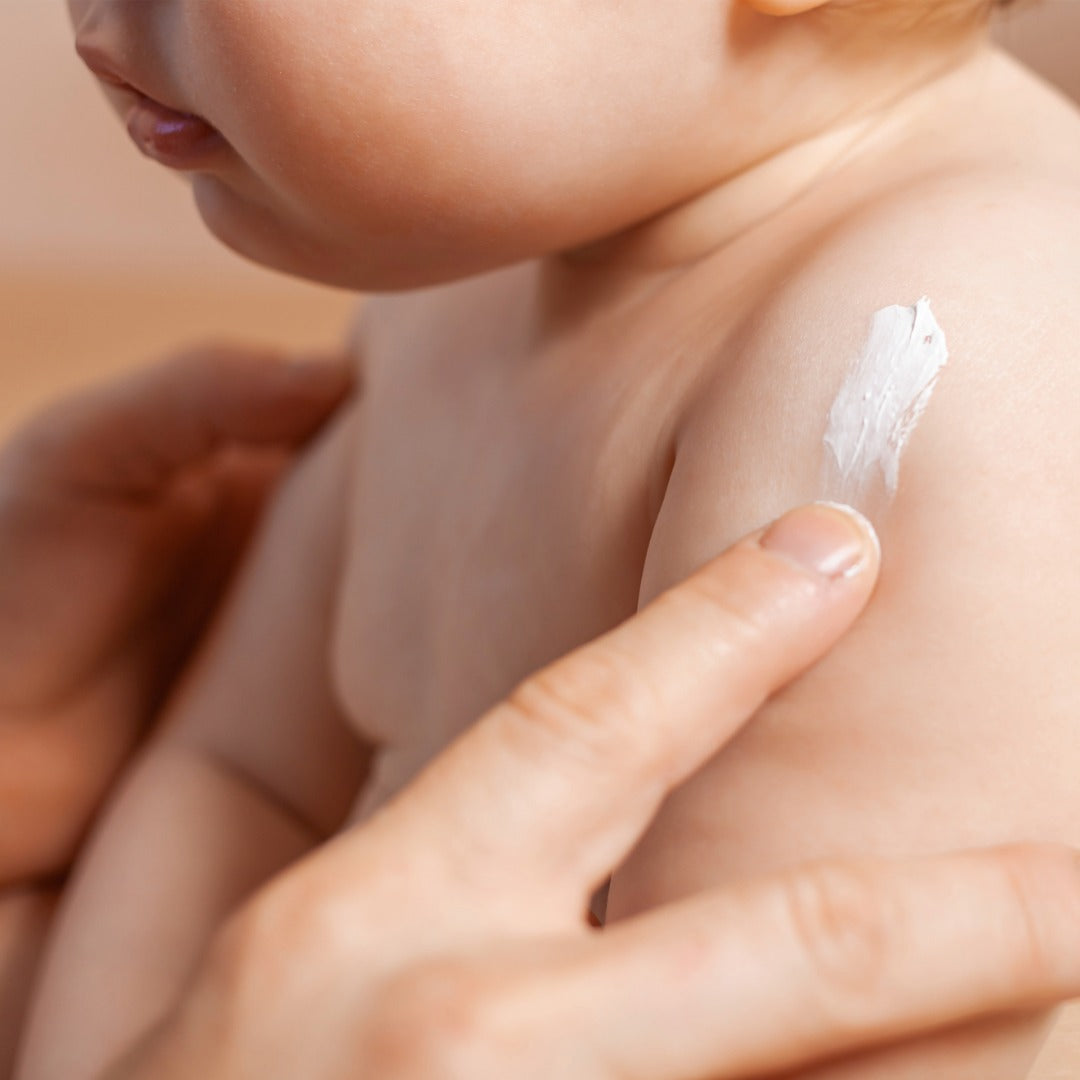
Essential oils can be blended into unscentednatural lotions, creams, or gels.
Recommended amounts(in 30 ml lotion):
Newborns:0-1 drop
2–6 months: 1-2 drops
6–12 months:1-2 drops
1–4 years:1-5 drops
5–7 years: 3-6 drops
8–12 years: 5-9 drops
12+ years: 5-10 drops
Room Sprays
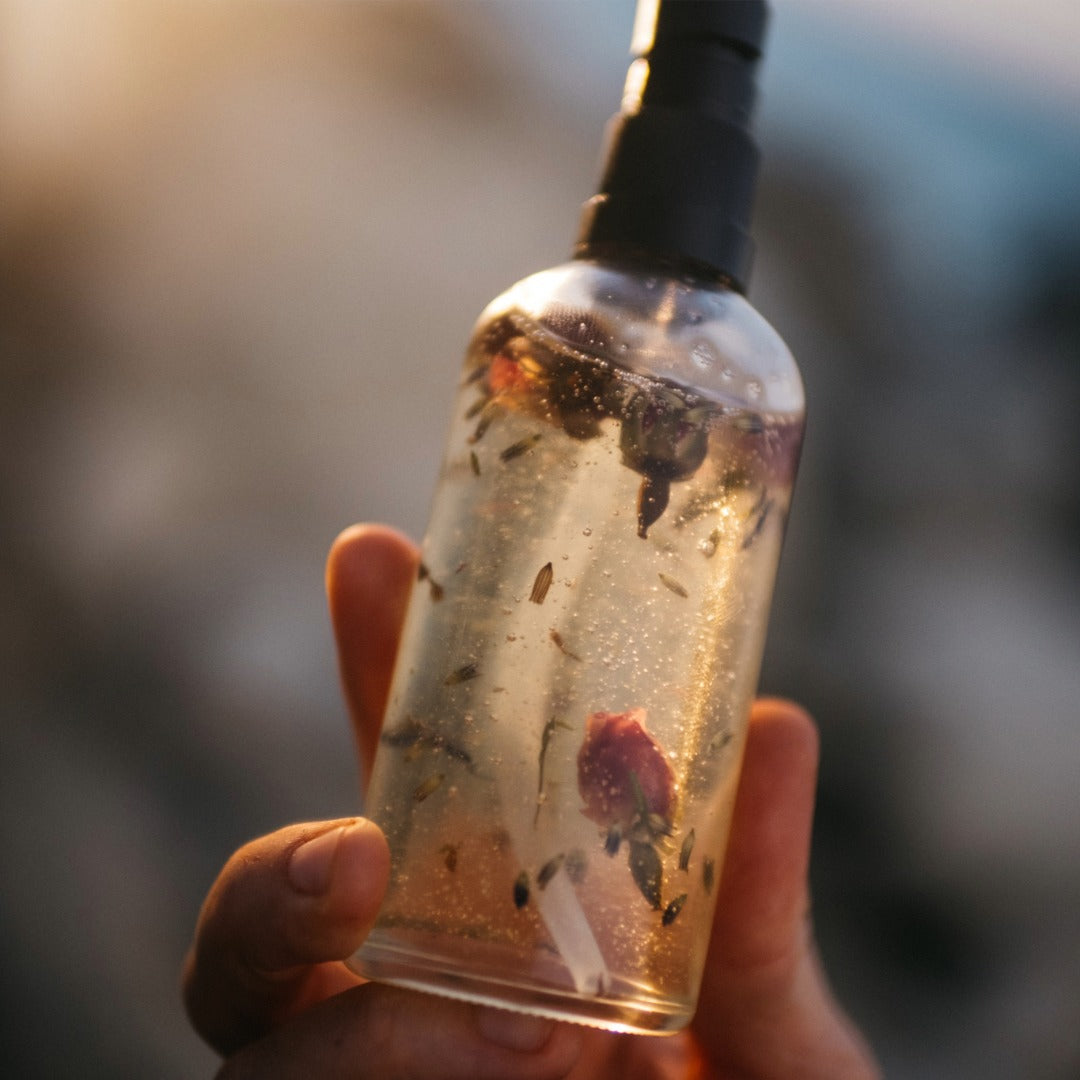
Room sprays can refresh the air and help prevent the spread of infection.
How to make:
1. Mix 10 drops of essential oil into 300 ml of lukewarm water in a spray bottle.
2. Shake well before each use.
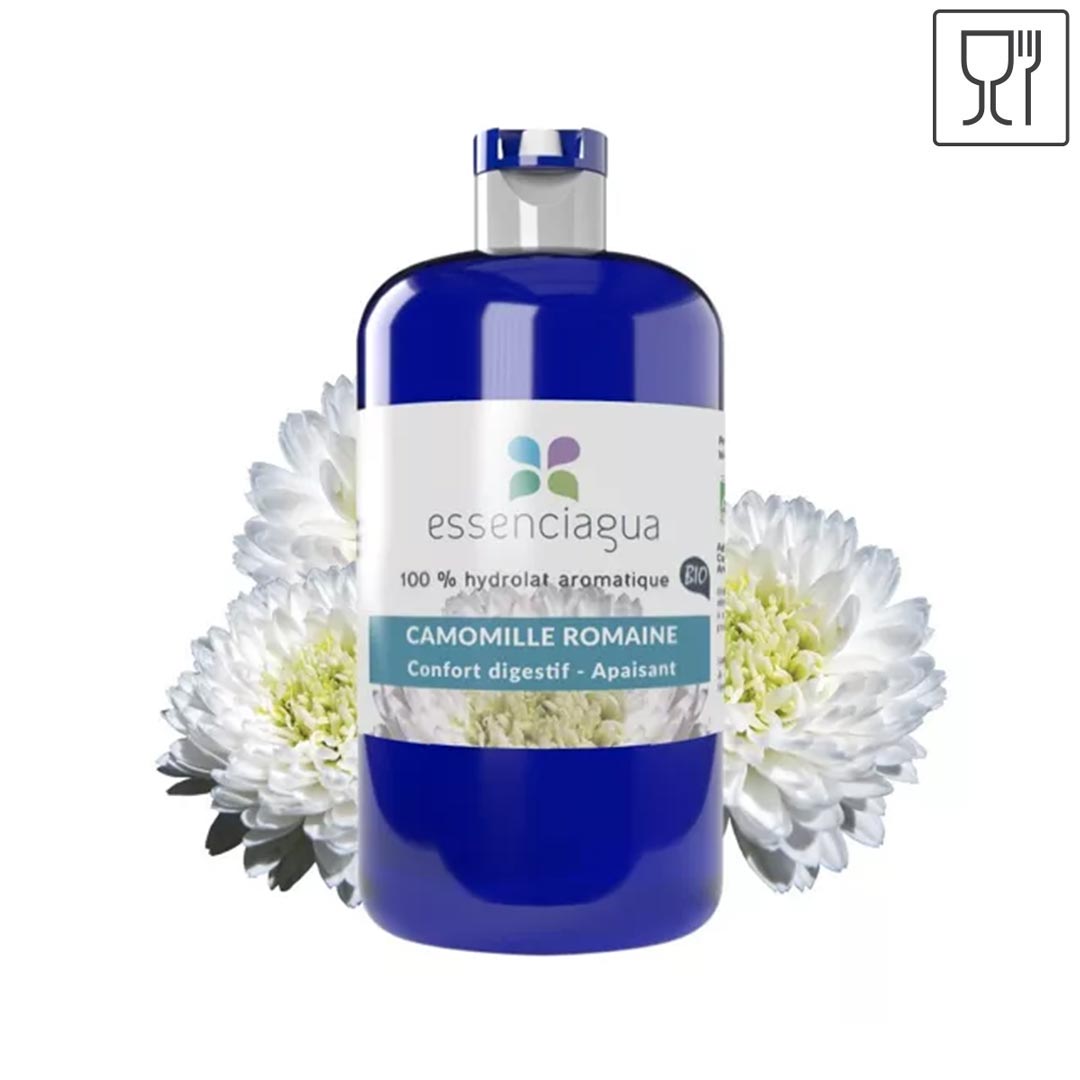
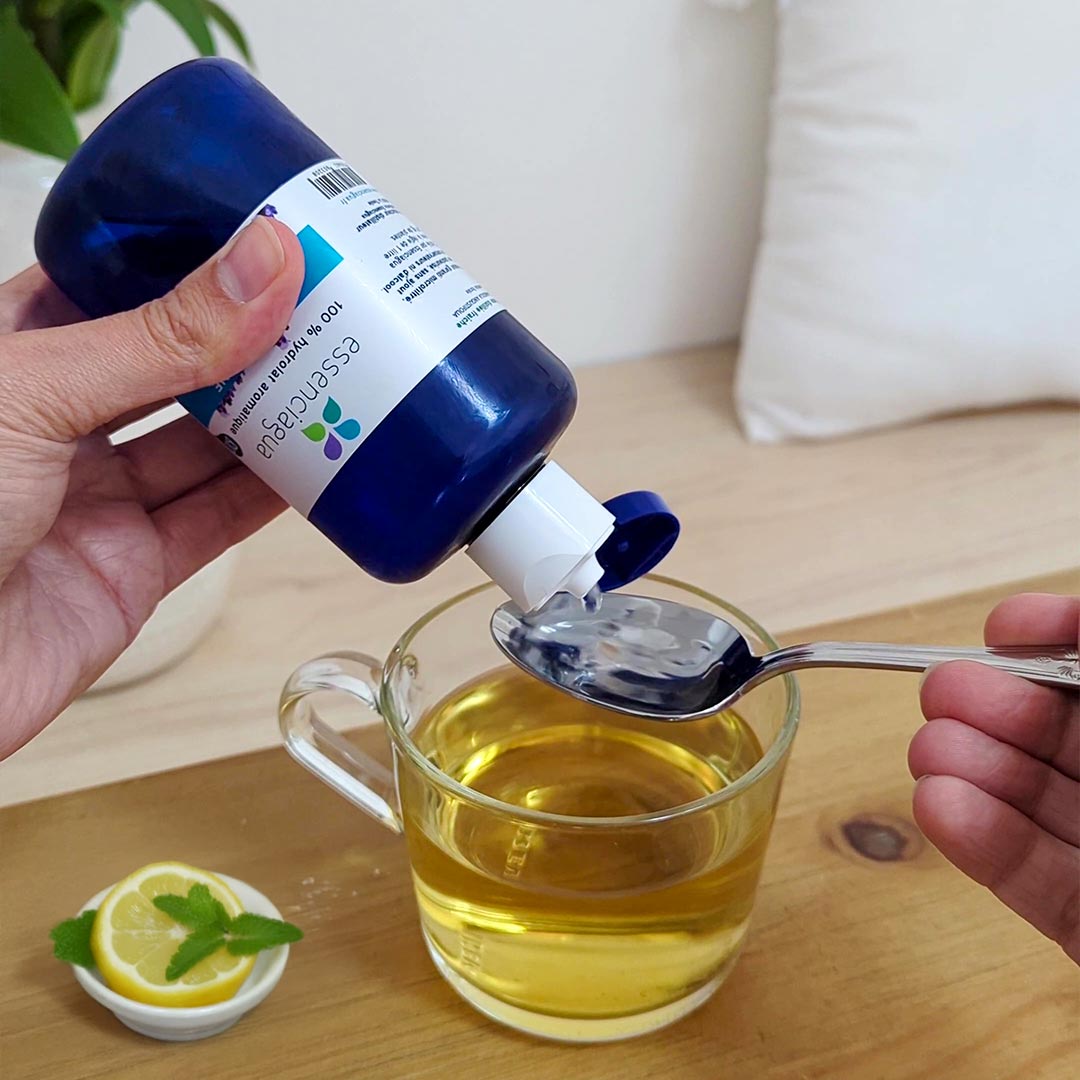
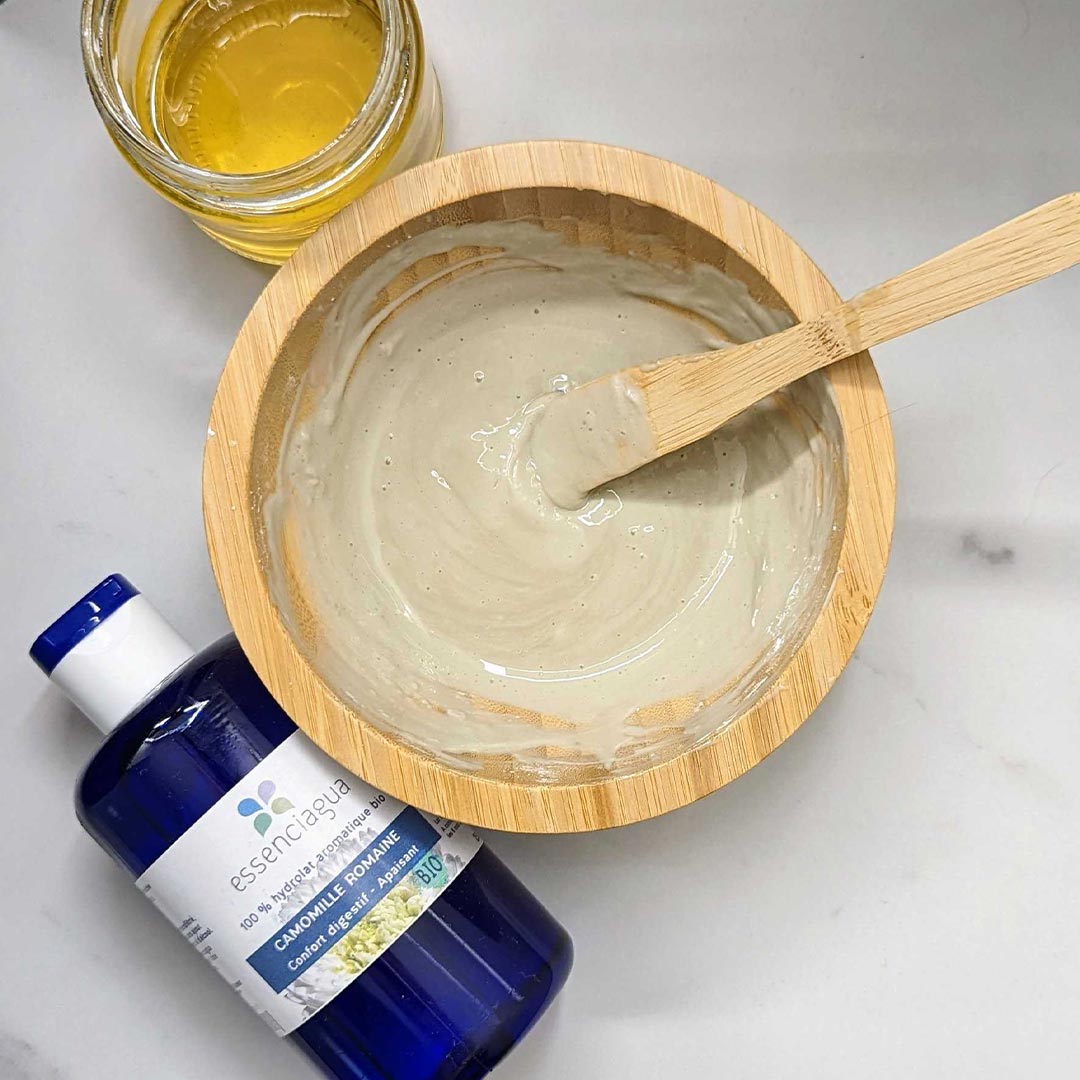
Hydrosol option: For children, especially babies and toddlers, it’s even better to use certified organic hydrosols (flower waters) instead of essential oils. They are naturally purifying and much gentler.
Rating of 1 means .Rating of 5 means .The rating of this product for "" is 4.
Baths
Adding essential oils to bath time is a gentle and soothing way to use them with children. Oils must always be diluted first in a little vegetable oil, milk, orsolubolbefore adding to the bathwater.
How to use:1. Run the bath as usual.
2. Mix the essential oil with 10 ml (2 teaspoons) of carrier oil, solubol or milk.
3. Swish into the bathwater before your child gets in.
Recommended amounts:Newborn-6 months: 1 drop → use only ¼ of this amount
6 months-2 years:1 drop → use ½ this amount
2–5 years:1-2 drops → use ½ this amount
6–10 years:1-3 drops
11+ years:1-4 drops
Body Oil or Body Rub
Carrier oils with a few drops of essential oil can be used like a body lotion, gently massaged into the skin.
How to make:
1. Add essential oils to 30 ml of carrier oil.
2. If using more than one essential oil, blend them first, then add the carrier oil.
Recommended amounts (in 30 ml carrier oil):
Newborns: 0-1 drop
2-6 months: 1-2 drops
6-12 months: 1-3 drops
1-4 years: 1-5 drops
5-7 years: 3-6 drops
8-12 years: 5–9 drops
12+ years: 5–10 drops
Compresses
Compresses are useful for bruises, sprains, fevers, or skin conditions.
How to use:Add essential oil to 300ml of water (hot, warm, cool, or cold, depending on the condition).
Soak a natural cloth, squeeze out excess water, and place it over the affected area.
Recommended amounts:Children over 2 years: 2-4 drops
Aroma Diffusers
Diffusing essential oils can purify the air, ease breathing, or create a calming atmosphere.
Important:Never use nebulizers or vaporizers for children - they emit too much oil.
How to use:1. Add water to the bowl of your diffuser.
2. Place 1-5 drops of essential oil in the water.
Recommended amounts:Up to 2 years:1-2 drops
2-5 years:1-3 drops
6-10 years:1-4 drops
11+ years:1-5 drops
Cotton Swab Method (Q-tip)
For very targeted use (like a cold sore or insect bite), you can apply a single drop of essential oil using a wet cotton swab.
Recommended amounts:Children over 2 years: 1 drop
Inhalation
A gentle way to support breathing or relaxation.
Tissue or Handkerchief:Add 1-2 drops of oil, hold near the nose, and inhale. (For children over 2 years only.)
Pillow Method:Add 1-2 drops to a corner of the pillow or a cotton ball tucked inside the pillowcase. (For children 6 months and older.)
Pajamas Method:Place 1 drop on the back of the collar or inside of the chest area. (For children 6 months and older.)
Lotions, Creams & Gels
Essential oils can be blended into unscentednatural lotions, creams, or gels.
Recommended amounts(in 30 ml lotion):
Newborns:0-1 drop
2–6 months: 1-2 drops
6–12 months:1-2 drops
1–4 years:1-5 drops
5–7 years: 3-6 drops
8–12 years: 5-9 drops
12+ years: 5-10 drops
Room Sprays
Room sprays can refresh the air and help prevent the spread of infection.
How to make:
1. Mix 10 drops of essential oil into 300 ml of lukewarm water in a spray bottle.
2. Shake well before each use.
Hydrosol option: For children, especially babies and toddlers, it’s even better to use certified organic hydrosols (flower waters) instead of essential oils. They are naturally purifying and much gentler.
Rating of 1 means .Rating of 5 means .The rating of this product for "" is 4.
Sponging Down
For fever or general cooling.
How to use:1. Add 1-4 drops of essential oil to 1 liter of lukewarm water.
2. Sponge gently over the body.
Hydrosol option:Use hydrosols only for small children - chamomile or lavender are especially calming.
Wash for Cuts & Grazes
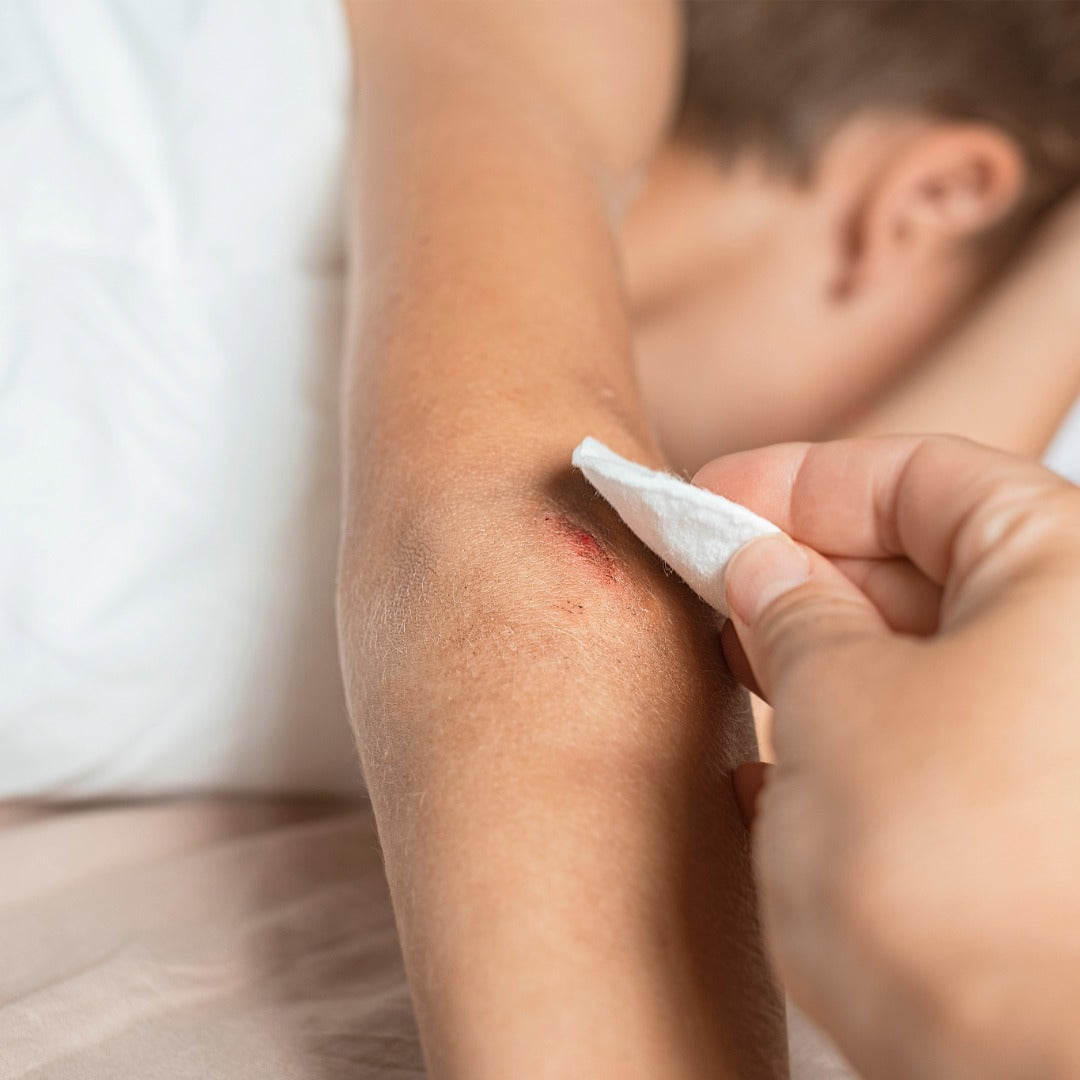
Used to cleanse and prevent infection.
How to use:1. Add 20 drops of essential oil to 600 ml of warm water.
2. Wash cuts or grazes gently.
Hydrosol option:For babies and toddlers, use lavender or roman chamomile hydrosol for wound cleansing - safe, soothing, and non-stinging.
Dressings
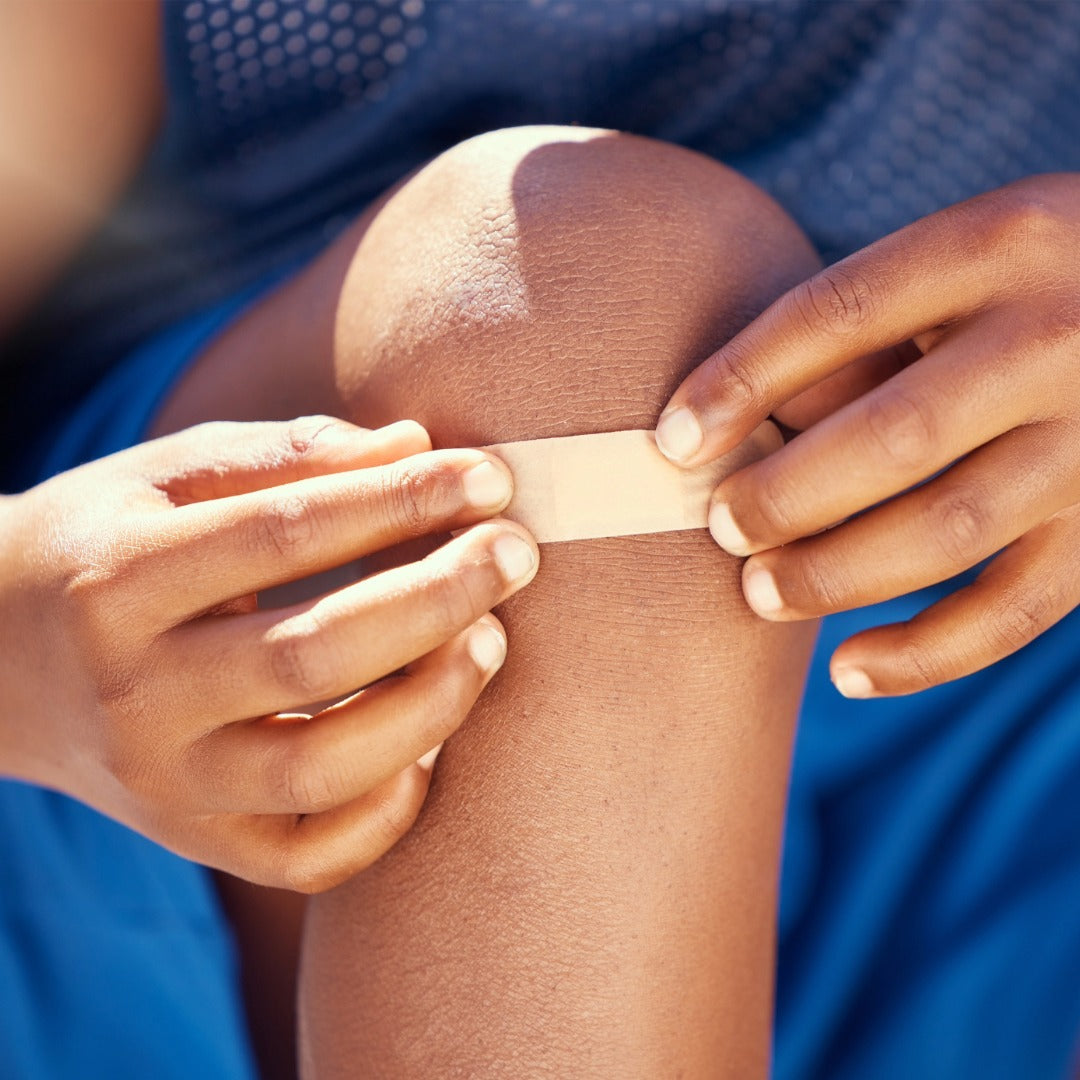
This method helps reduce the risk of infection and supports wound healing. Place the essential oil directly onto the fabric part of a plaster, lint, or gauze dressing. Allow the oil to dry before applying the dressing to the skin - this prevents any stinging but still keeps the oil effective.
Amounts:
Children 6 months+: 1-2 drops
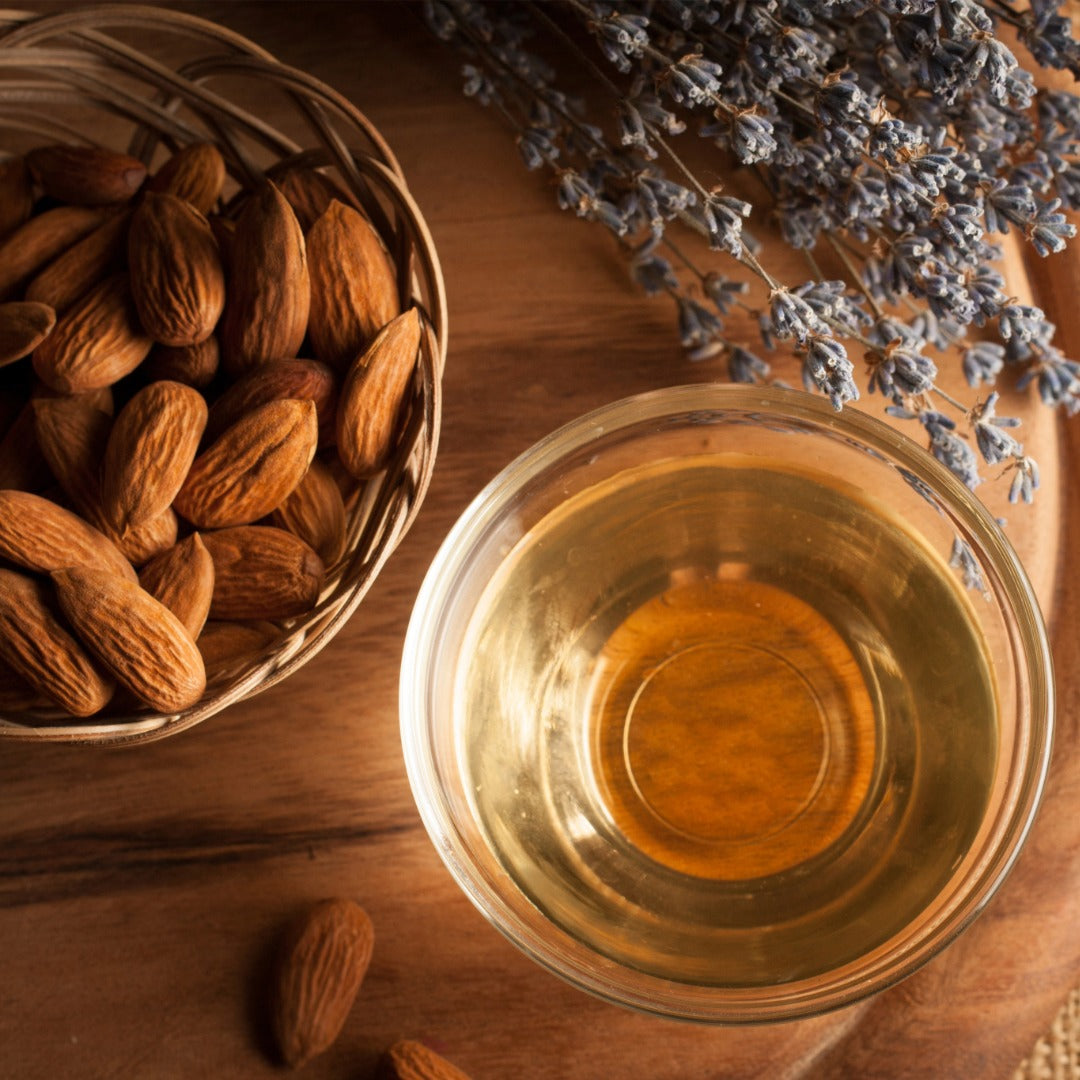
Face Oils
Face oils are only used when there is a skin condition that needs support. Oils are diluted in almond oil and applied carefully, avoiding the eyes, nose, and mouth.
Amounts (in 15 ml almond oil):6 months-2 years: 1 drop
3-5 years:1-3 drops
6-10 years:1-4 drops
11+ years:1-6 drops
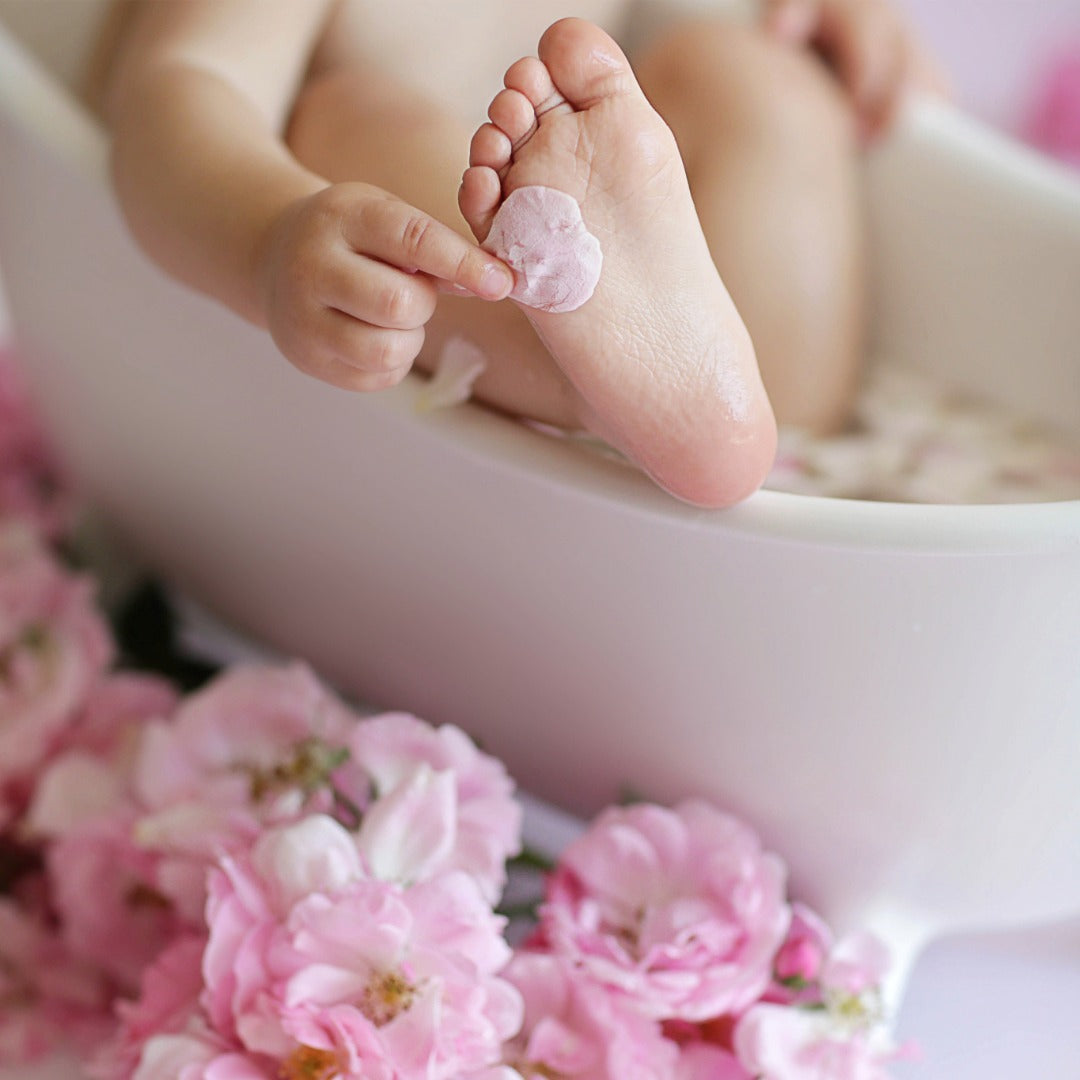
Foot Baths
A simple and soothing method. Essential oils are first diluted in carrier oil, then added to a bowl of warm water for soaking the feet. This can be calming and supportive during colds or before bedtime.
Amounts (diluted in 5 ml carrier oil):2-5 years:1 drop
6-10 years:1-2 drops
11+ years:1-3 drops
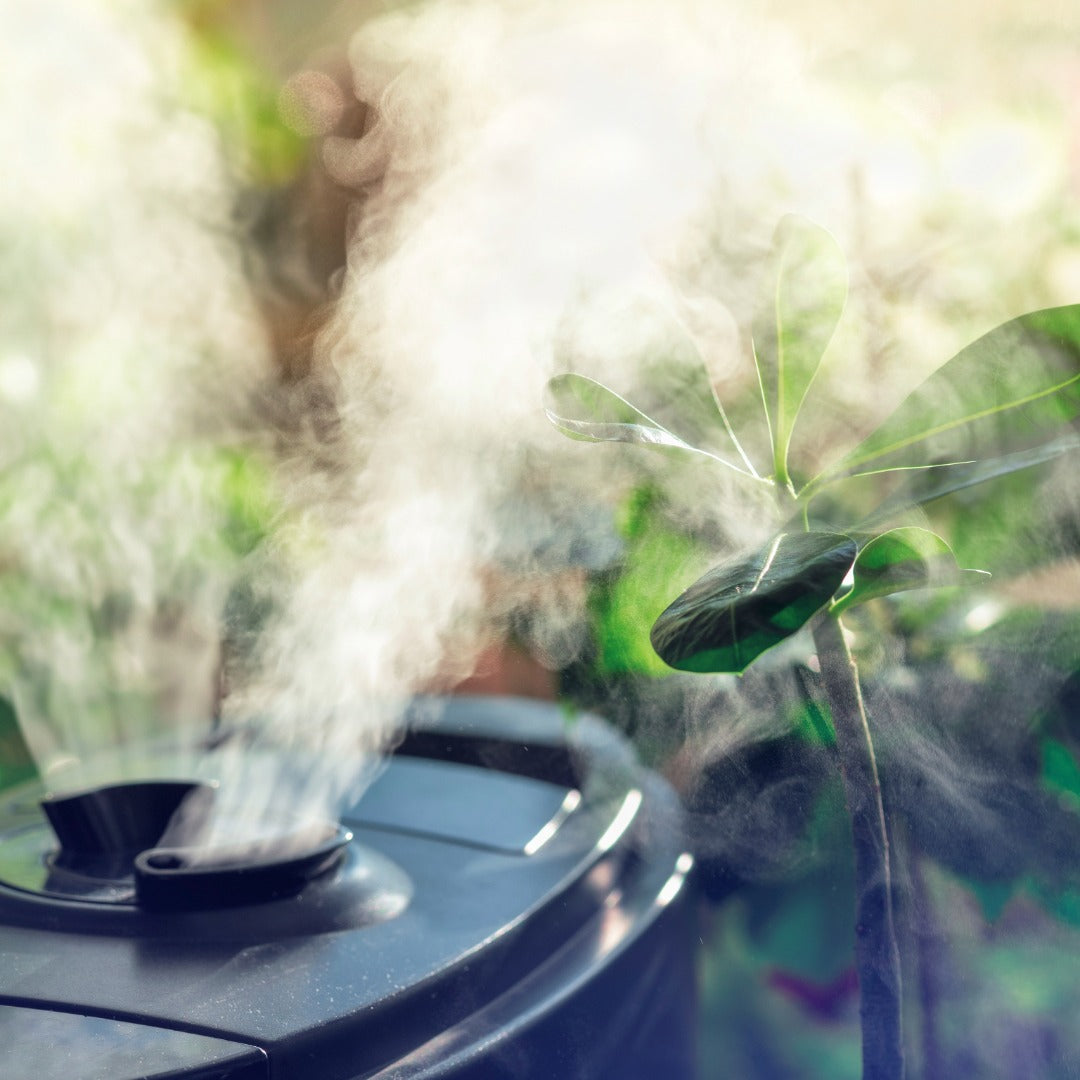
Humidifiers
A gentle way to use essential oils in the air. Oils are added directly to the water tank of a humidifier, creating a fine mist that helps with breathing and gently scents the room.
Amounts:
Any age: 1-4 drops per 600 ml water

Wash for Cuts & Grazes
Put the water in a clean bottle, add the essential oils, and shake well. Pour the mixture through a paper coffee filter and re-bottle. Use this prepared wash to gently cleanse infected areas, or small cuts and grazes.
Amount to use: From 1 year and over: 20 drops of essential oil in 600 ml warm water
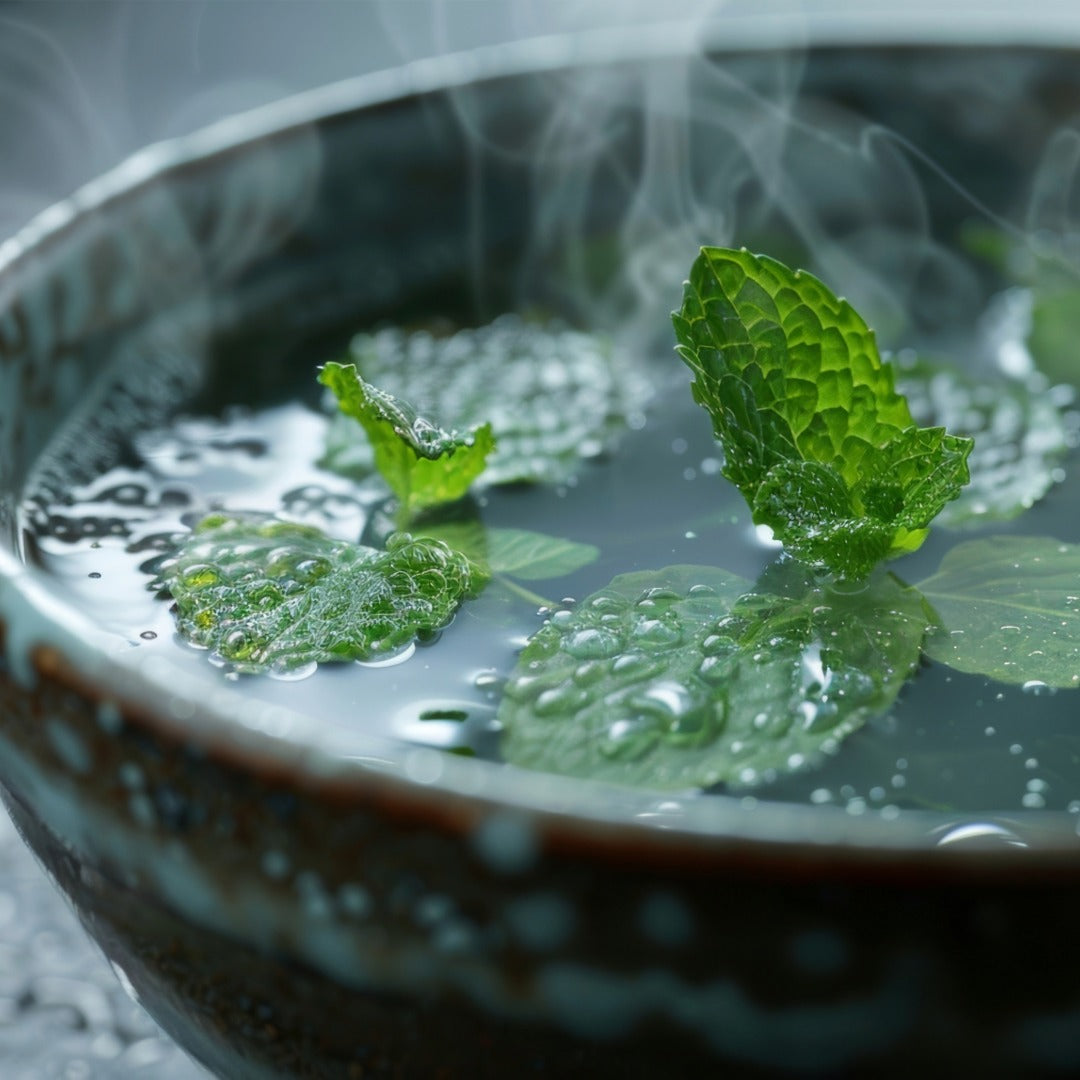
Water Bowl Method
Pour 600 ml of boiling water into a heat-proof bowl and take it to the room where it’s needed. Add the essential oil to the steaming water. Place the bowl in a safe spot where children and animals cannot reach it.
Amount to use (per 600 ml):Up to 2 years:1-2 drops
2-5 years:1-3 drops
6-10 years:1-4 drops
11 years and over:1-5 drops
Sponging Down
For fever or general cooling.
How to use:1. Add 1-4 drops of essential oil to 1 liter of lukewarm water.
2. Sponge gently over the body.
Hydrosol option:Use hydrosols only for small children - chamomile or lavender are especially calming.
Wash for Cuts & Grazes
Used to cleanse and prevent infection.
How to use:1. Add 20 drops of essential oil to 600 ml of warm water.
2. Wash cuts or grazes gently.
Hydrosol option:For babies and toddlers, use lavender or roman chamomile hydrosol for wound cleansing - safe, soothing, and non-stinging.
Dressings
This method helps reduce the risk of infection and supports wound healing. Place the essential oil directly onto the fabric part of a plaster, lint, or gauze dressing. Allow the oil to dry before applying the dressing to the skin - this prevents any stinging but still keeps the oil effective.
Amounts:
Children 6 months+: 1-2 drops
Face Oils
Face oils are only used when there is a skin condition that needs support. Oils are diluted in almond oil and applied carefully, avoiding the eyes, nose, and mouth.
Amounts (in 15 ml almond oil):6 months-2 years: 1 drop
3-5 years:1-3 drops
6-10 years:1-4 drops
11+ years:1-6 drops
Foot Baths
A simple and soothing method. Essential oils are first diluted in carrier oil, then added to a bowl of warm water for soaking the feet. This can be calming and supportive during colds or before bedtime.
Amounts (diluted in 5 ml carrier oil):2-5 years:1 drop
6-10 years:1-2 drops
11+ years:1-3 drops
Humidifiers
A gentle way to use essential oils in the air. Oils are added directly to the water tank of a humidifier, creating a fine mist that helps with breathing and gently scents the room.
Amounts:
Any age: 1-4 drops per 600 ml water
Wash for Cuts & Grazes
Put the water in a clean bottle, add the essential oils, and shake well. Pour the mixture through a paper coffee filter and re-bottle. Use this prepared wash to gently cleanse infected areas, or small cuts and grazes.
Amount to use: From 1 year and over: 20 drops of essential oil in 600 ml warm water
Water Bowl Method
Pour 600 ml of boiling water into a heat-proof bowl and take it to the room where it’s needed. Add the essential oil to the steaming water. Place the bowl in a safe spot where children and animals cannot reach it.
Amount to use (per 600 ml):Up to 2 years:1-2 drops
2-5 years:1-3 drops
6-10 years:1-4 drops
11 years and over:1-5 drops
Caring Touch Massage
Massage is one of the most loving and natural ways to comfort a child. Even a gentle touch tells your child they are safe, cared for, and loved. Regular massage can help children relax, sleep better, and even support physical and emotional health.
To prepare a massage oil:1. Take a clean 30 ml bottle.
2. Fill with a carrier oil (almond oil is best for children).
3. Add the correct number of drops of essential oil for your child’s age (see chart below).
4. Roll the bottle between your palms to blend.
Dilution Guidelines (in 30 ml carrier oil):Newborns:0-1 drop
2-6 months:0-1 drops
6-12 months:1-2 drops
1-4 years:1-5 drops
5-7 years:3-6 drops
8-12 years:5-10 drops

Caring Touch Massage Blends
You can use a single oil or create a gentle blend. Here are some examples:
Sleepy Time - 4 drops lavender + 2 drops Roman chamomile
Refreshing – 3 drops lemon + 2 drops petitgrain
Angelic – 3 drops rose otto (rosa damascena) + 2 drops neroli
Flowery – 4 drops mandarin + 2 drops geranium
Calming – 2 drops petitgrain + 3 drops neroli
Always adjust the number of drops to your child’s age group, based on the chart above.
Bonus: The aroma of the massage can create an “aromatic bond” between you and your child. If they smell the same scent later (for example, on a tissue while at school or daycare), it can bring them comfort and reassurance by reminding them of your loving touch.
When you’re just starting with aromatherapy for children, it helps to have a small set of safe and versatile essential oils at home. These oils can support everyday needs like sleep, calming, skin healing, or easing coughs and colds.
Here are the most recommended oils for your children’s safe care kit:
The Basic Care Kit – Essential Oils Every Parent Should Have
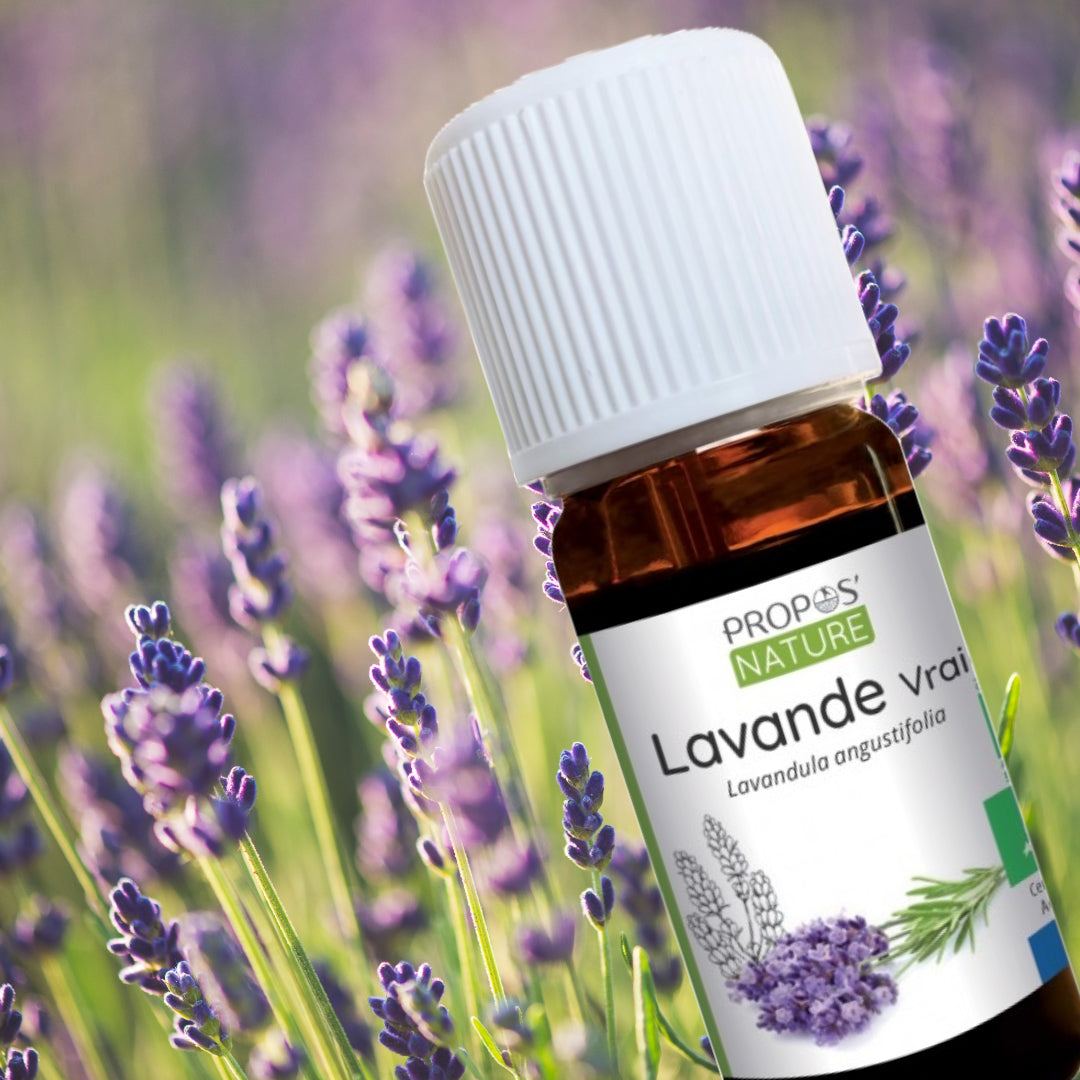
Lavender (Lavandula angustifolia)
- Gentle and versatile – safe for children
- Supports sleep and relaxation
- Helps soothe cuts, grazes, burns, and insect bites
- Can calm rashes, tension, and nervousness
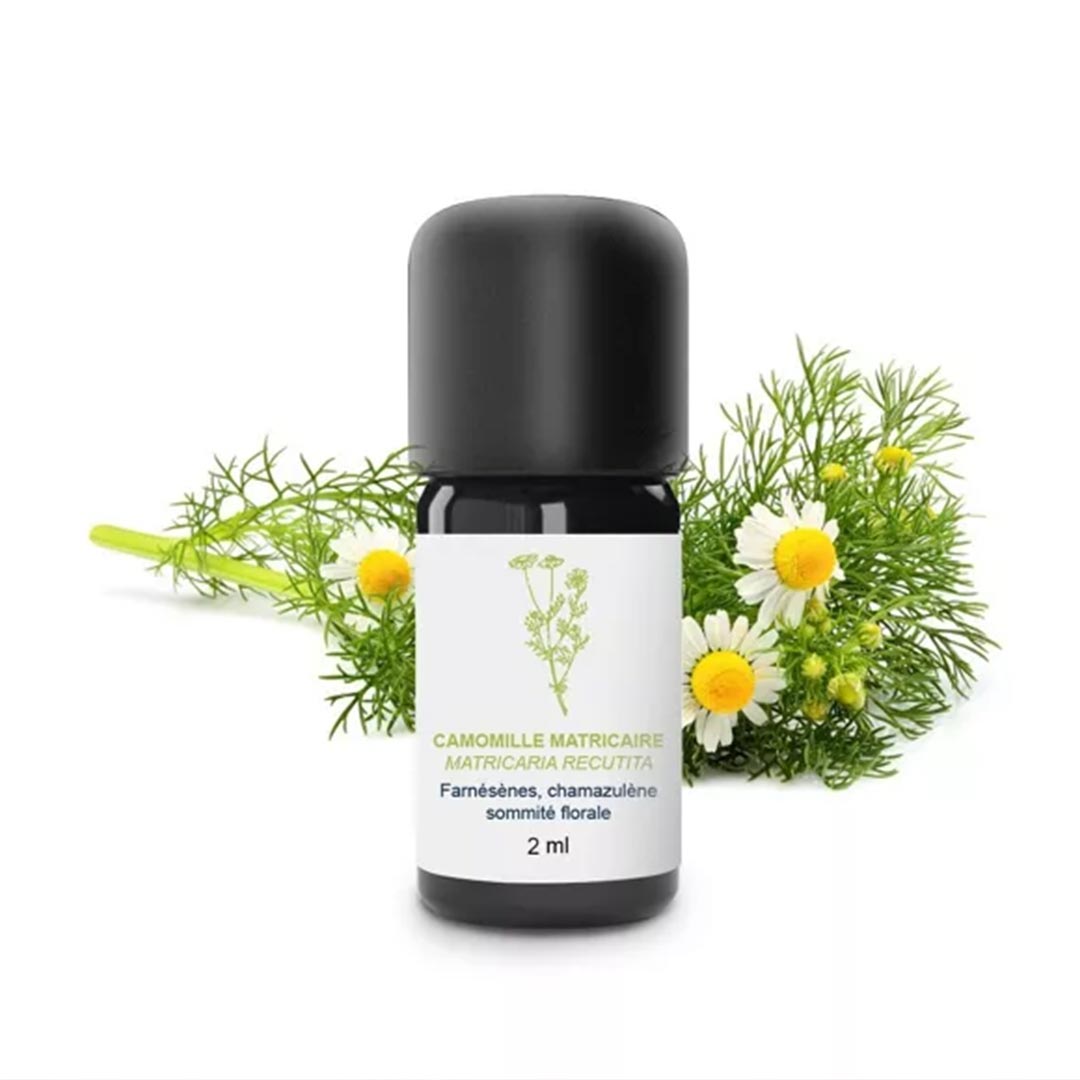
Chamomile German (Matricaria recutita)
- Stronger anti-inflammatory support than Roman Chamomile
- Helps with eczema, skin problems, arthritis, and allergies
- Soothes digestive complaints and nervous tension
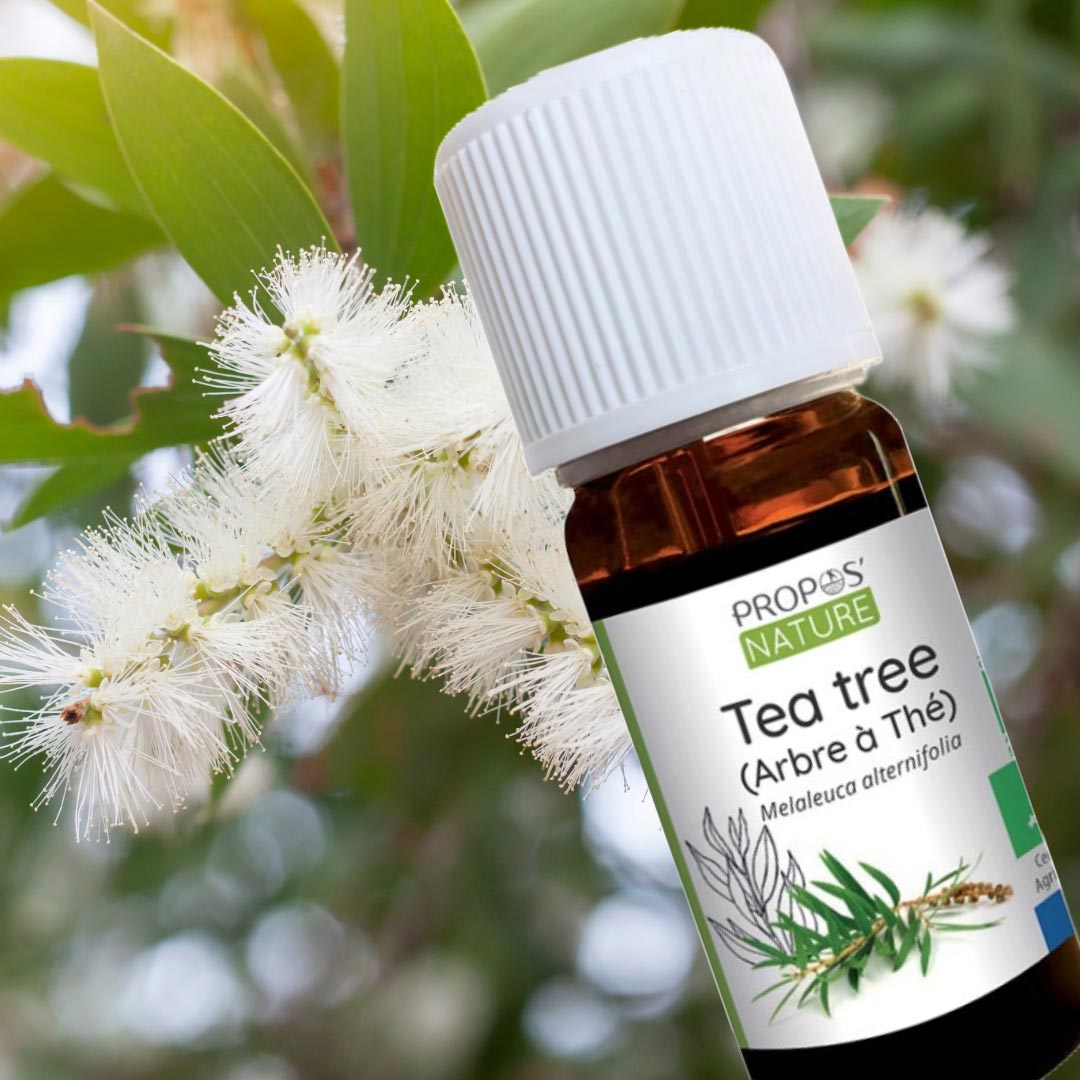
Tea Tree (Melaleuca alternifolia)
- Natural protector against germs
- Supports healing of cuts, grazes, and skin infections
- Useful for insect bites, rashes, and nail fungus
- Helps with colds, sore throats, and chest congestion
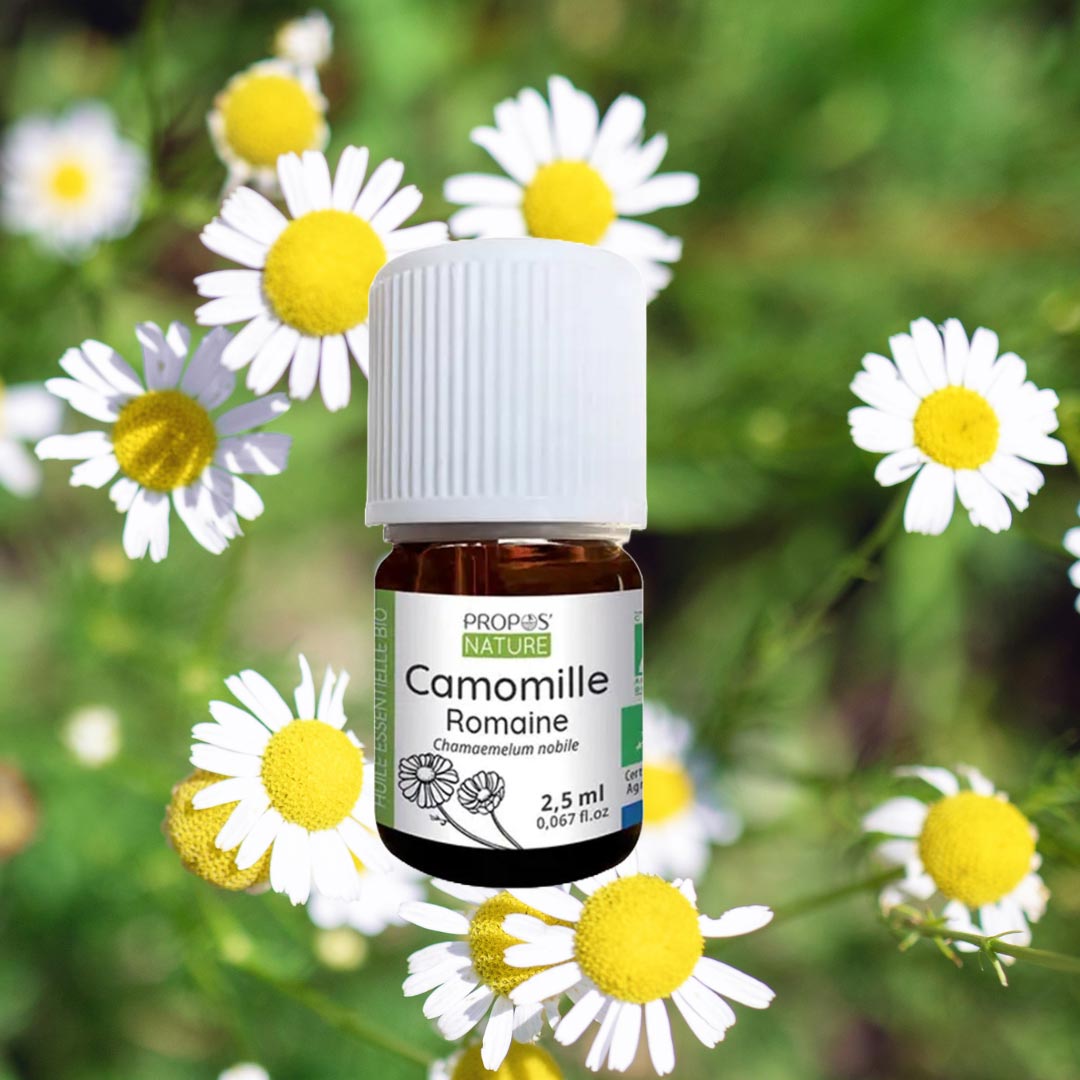
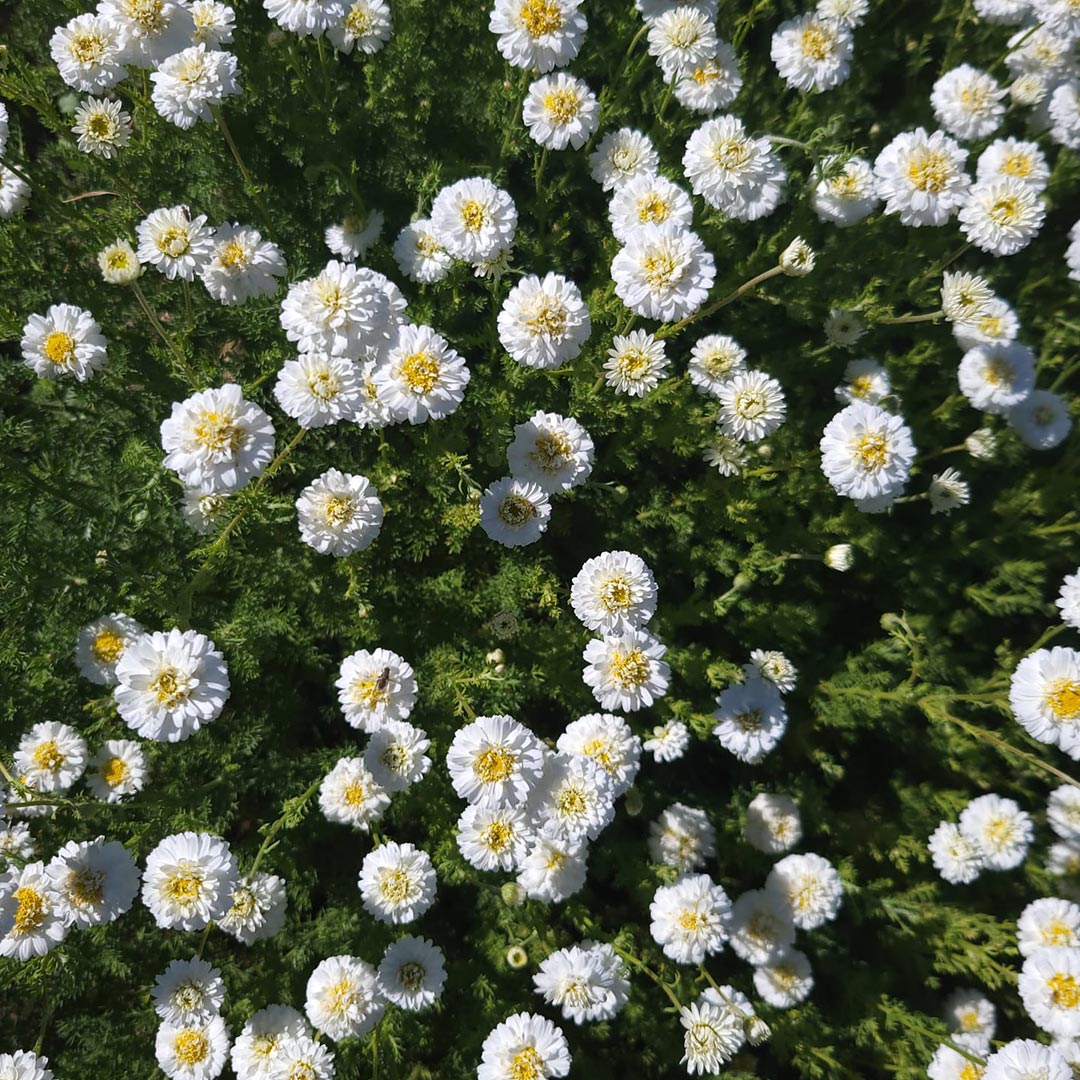
Chamomile Roman (Anthemis nobilis)
- Calming and soothing
- Helps with teething pain, fevers, and tummy cramps
- Supports relief for rashes, eczema, and nervousness
- Gently promotes sleep
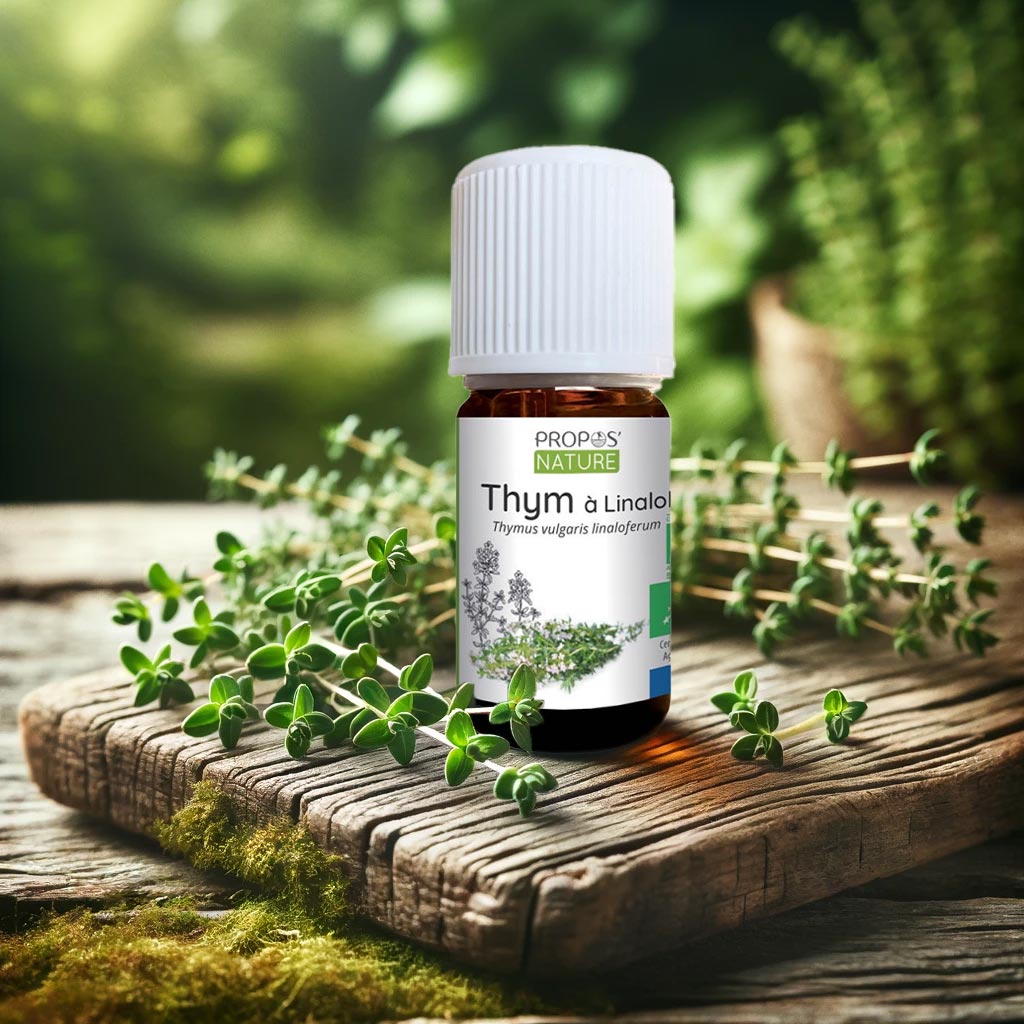
Thyme Linalool (Thymus vulgaris CT linalool)
- Gentle chemotype of thyme (safe for children when diluted)
- Supports the immune system during infections
- Helps with coughs, bronchitis, and sore throats
- Useful for pain relief in muscular aches
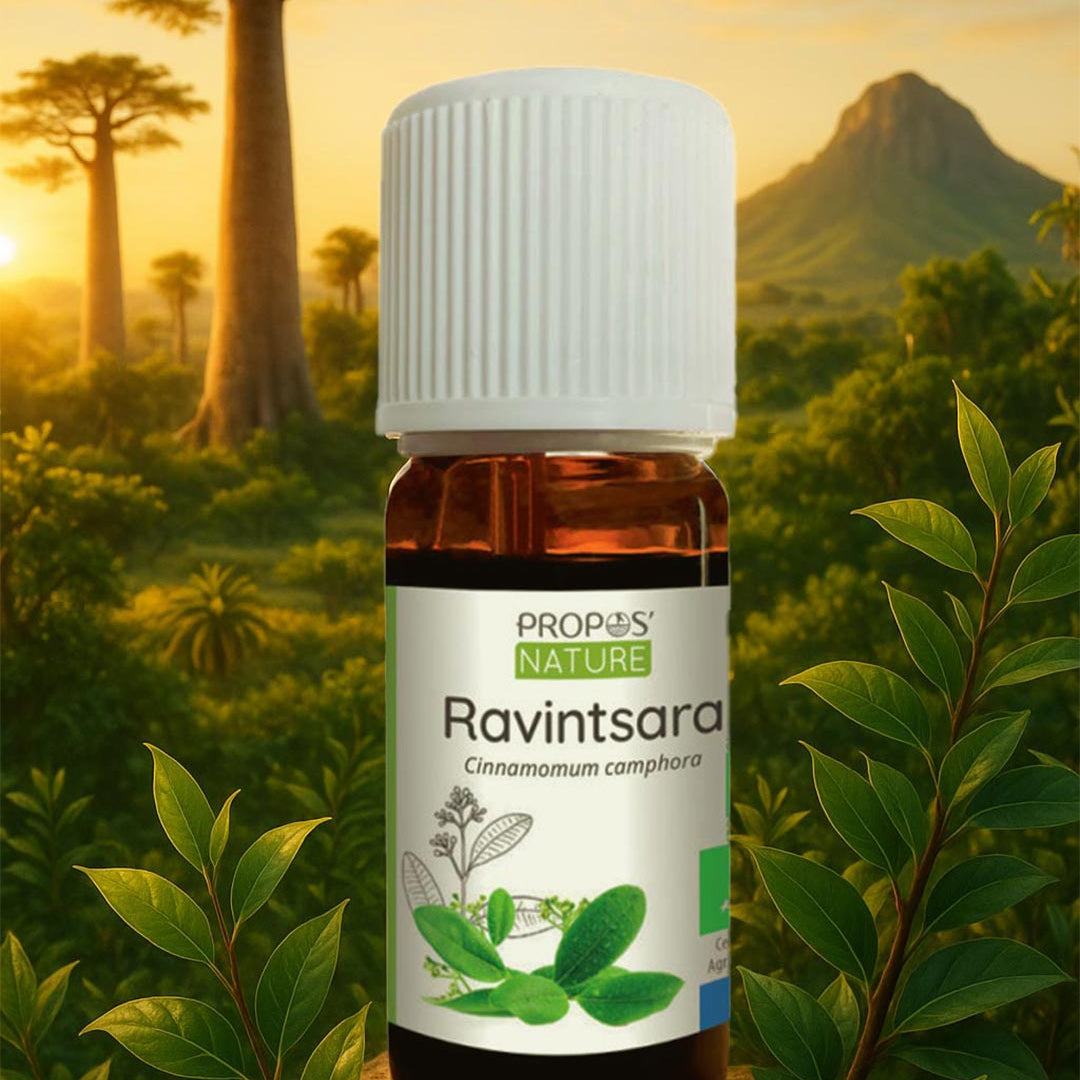
Ravintsara (Cinnamomum camphora CT cineole)
- Gentle yet powerful immune support
- Excellent for coughs, colds, flu, and sinus congestion
- Helps clear the airways and ease breathing
- Antiviral and supportive during seasonal illnesses