

Organic or Certified Organic? Why the Difference Matters
Walk into any shop today and you’ll see the word “organic” splashed across bottles, jars, and boxes. It feels reassuring. Natural, healthy, pure… right?
Not always. Here’s the uncomfortable truth: the word “organic” on its own doesn’t guarantee anything. In fact, it can be pure greenwashing - marketing designed to sound eco-friendly while delivering none of the substance.
The Trap of Greenwashing
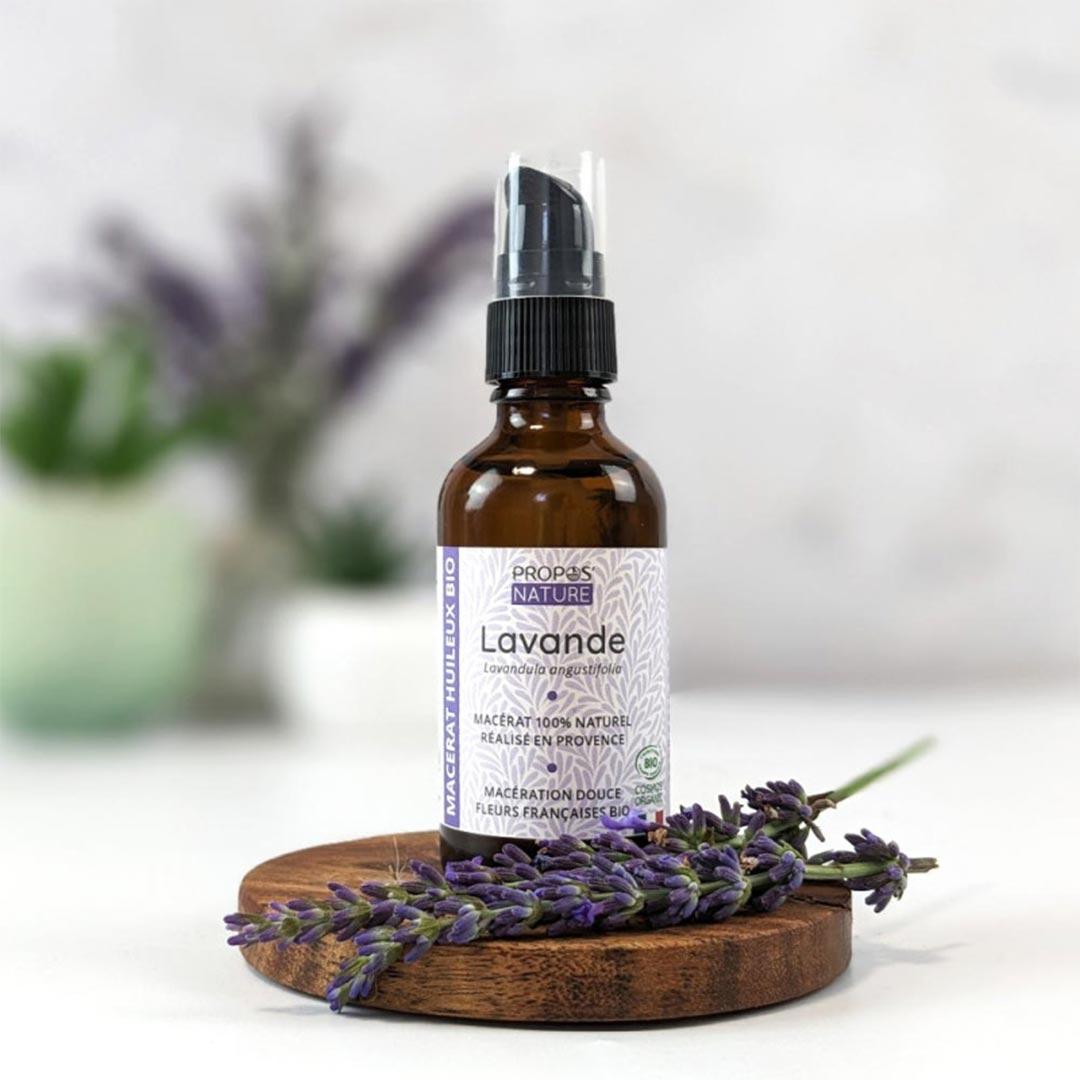
A skincare cream might call itself “organic” because it contains one drop of organic lavender oil… hidden among dozens of synthetic additives.
A supplement could be labeled “organic” without a single independent check of its origin or purity.
It looks wholesome on the shelf, but the word alone has no legal protection unless it’s backed by certification.

Certified Organic: The Real Deal
Now here’s where things change. Certified Organic means the product has been inspected and approved by an independent certification body. To earn that little green leaf (EU), COSMOS seal, USDA Organic logo, or similar mark, producers must follow strict rules at every step:
No pesticides, GMOs, or synthetic fertilizers.
- Full traceability - from the soil where the plant grew to the bottle in your hand.
- Regular audits and independent inspections to guarantee compliance.
- Respect for biodiversity, sustainable farming, and the environment.
When you see a certification logo, you’re holding a product you can truly trust.

Vegan, Natural… and Still Not Organic
Here’s another common mix-up:
Natural: The ingredient started in nature, but it could still be heavily processed or grown with pesticides.
Vegan: No animal products, but it might still contain chemical fillers or non-organic crops.
Organic (word only): Just marketing unless certified.
Certified Organic: Independent, traceable, and trustworthy.
Why It Matters for You
Choosing certified organic essential oils, vegetable oils, hydrosols, supplements, superfoods, skincare, haircare, hygiene products, cleaning products for your home, and even makeup isn’t just a lifestyle preference. It’s about protecting your health at the deepest level.
When products aren’t certified organic, they may contain residues of pesticides, synthetic fertilizers, or chemical solvents. These hidden substances can:
Disrupt your hormones (endocrine system): Many pesticides act as endocrine disruptors, interfering with the body’s delicate hormone balance. This can affect energy, mood, fertility, metabolism, and even immune function.
Build up in your body over time: Tiny daily exposures add up, creating a chemical “cocktail effect” that your liver and detox systems struggle to manage.
Irritate your skin, scalp, and lungs: Non-organic oils, creams, makeup, or hydrosols may carry solvent residues or synthetic additives that trigger sensitivity, allergies, or respiratory irritation.
Undermine nutrition and wellbeing: Non-organic supplements and superfoods may come from chemically treated, depleted soils, offering fewer beneficial compounds and trace minerals.
Pollute your home environment: Conventional cleaning products and personal hygiene items often release harmful residues into your home air, water, and skin.
By choosing certified organic across every part of your daily life, you’re:
- Safeguarding your body from endocrine disruptors and toxic build-up.
- Nourishing yourself with pure, nutrient-rich plants.
- Protecting your skin and hair with products free from hidden chemicals.
- Creating a safer, cleaner home for your family.
- Supporting farming methods that keep ecosystems and pollinators alive.
Certified organic isn’t just a label. It’s peace of mind for your body, your home, and the world you live in.

EU Organic Leaf (European Union Organic Logo)
- This is the official EU organic certification logo.
- Mandatory on all pre-packaged organic food in the EU.
Means the product meets strict EU regulations:
- no synthetic fertilizers, pesticides, GMOs, and respect for biodiversity and animal welfare.
- Also indicates traceability: every step from farm to store is controlled.
- Annual inspections by independent control bodies in each EU member state.

COSMOS Organic – ECOCERT / COSMEBIO
The COSMOS ORGANIC label is one of the strictest certifications for cosmetics.
- At least 95% of physically processed agro-ingredients must be organic, and at least 20% of the total product (10% for rinse-off products).
- Ingredients must come from renewable resources, produced with environmentally friendly processes.
- Guarantees real organic integrity in beauty, skincare, oils, and hygiene products.

AB – Agriculture Biologique (France)
This is the French national organic label.
It guarantees that the product meets theEU organic farming regulations(at least 95% organic ingredients, no synthetic chemicals, no GMOs).

USDA Organic Logo (United States Department of Agriculture)
Products with the USDA Organic seal must contain 95% or more certified organic ingredients (excluding water and salt).
The remaining 5% must be from an approved list of safe, non-organic substances.
- No synthetic fertilizers, pesticides, or herbicides.
- No genetically modified organisms (GMOs).
- No irradiation or sewage sludge in production.
- Annual inspections by USDA-accredited certifying agents.
No logo = no guarantee. It’s that simple.








Elliotti Journal - Read More

A Guide to Carrier Oils for Every Skin Type

24 Ways of using Rose Damask Organic Hydrosol
Rosa damascena hydrosol is more than just a beautifully fragrant floral water—it’s a versatile powerhouse for skin, body, and mind. With its soothing, hydrating, and balancing properties, this gentle yet potent hydrosol can be used in countless ways, from skincare and wellness to emotional well-being and even culinary delights.
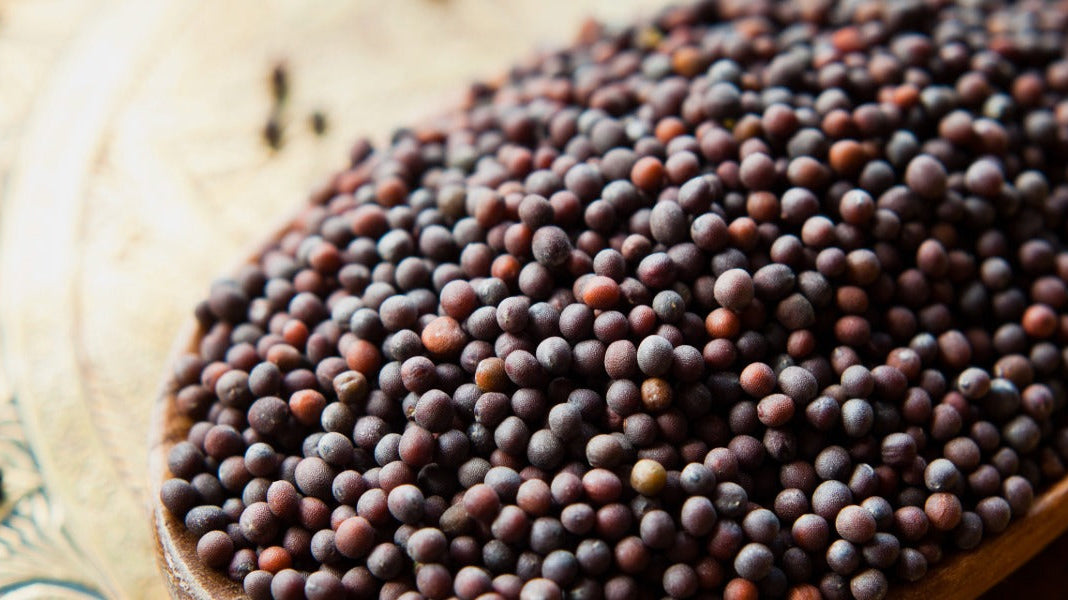
15 Amazing Ways to Use Mustard Oil for Hair, Skin, and Wellness
Mustard seed oil, derived from the cold mechanical pressing of Brassica nigra seeds, is a powerful and versatile oil with deep roots in traditional Indian and Ayurvedic practices. Known for its warming properties, it is commonly used for skincare, hair care, muscle relaxation, and even household applications.

24 Ways to Use Organic Roman Chamomile Hydrosol
Organic Roman Chamomile Hydrosol is a gentle yet powerful floral water, known for its calming, soothing, and anti-inflammatory properties. It’s a must-have for baby care, skincare, wellness, and even pet care! Here are 23 wonderful ways to use it, both topically and internally.

Sunburn Super Heros

Adaptogen Guide
Not sure which adaptogen is right for you? This simple guide helps you understand the difference between adaptogenic herbs and mushrooms - and how to choose the ones that support your energy, stress levels, mental clarity, and long-term health.

Ginseng & Sexual Health
Sexual health depends on circulation, hormones, and energy.
Ginseng supports all three.

The Safe Essential Oil Guide for Parents: How to Use Aromatherapy with Children
Discover how to use essential oils safely and effectively with your children. This parent-focused guide explains proper dilutions, age-appropriate use, and the best oils for everyday care - giving you the confidence to support your child’s health naturally.

Organic or Certified Organic? Why the Difference Matters
Not all products labeled “organic” are truly organic. Many rely on greenwashing - using trendy words without the rigorous standards behind them. Certified organic products, however, are independently verified, traceable from soil to bottle, and free from hidden chemicals. Learn why choosing certified organic matters for your health, your home, and the planet.