

Stress, Anxiety, and Busyness: Understanding the Difference and the Role of Adaptogens
In today’s fast-paced world, we often lump every feeling of overwhelm into one word:stress. But what we call “stress” may in fact be very different experiences - sometimes stress itself, but sometimes anxiety or just simple busyness. Understanding these distinctions is the first step toward finding the right herbal allies to restore balance.

Stress vs. Anxiety vs. Busyness
Stress is a physiological response to external pressure. It mobilizes energy and prepares the body for action, but chronic stress can drain resilience and harm long-term health.
Anxiety is an ongoing feeling of unease or fear, often without a clear cause. It lives in the nervous system and is best supported by calming herbs (nervines).
Busyness is being constantly occupied or preoccupied with tasks. It’s not a physiological condition but can feel like stress. It often calls for lifestyle adjustments like time management and boundaries, not herbs.
This distinction matters because herbalism works best when addressing root causes, not just symptoms. A nervine herb like Chamomile won’t solve busyness. A stimulant like caffeine won’t build lasting resilience to stress. And an adaptogen won’t replace the need for sleep. Matching the right herb to the right situation is key.
Prevention Is the Best Medicine
The best time to work with herbs is before stress takes hold. Herbalism emphasizes prevention, building resilience so that when challenges come, our system is better prepared.
Adaptogens and nootropics help maintain steady energy and focus. Examples:
Adaptogens: Ashwagandha, Rhodiola, Eleuthero (Siberian Ginseng)
Nootropics: Ginkgo biloba, Bacopa monnieri
Sedatives and nervines restore balance through sleep and recovery. Examples:
Sedatives: Valerian root, Hops, California Poppy
Nervines: Chamomile, Lemon Balm, Skullcap, Oatstraw
Herbs are most effective when built on a foundation of good practices: nourishing food, quality sleep, movement, and periods of rest.

Why Adaptogens Are Unique
Adaptogens are a special group of herbs that:
Are safe in therapeutic doses.
Work through the sympathetic nervous system and the hypothalamic-pituitary-adrenal (HPA) axis, the master control system that regulates our response to stress.
Help normalize energy: if you’re tired, they can restore; if you’re overstimulated, they can calm.
Unlike stimulants, adaptogens are not “uppers” or “downers.” They bring balance. And unlike caffeine, which gives an instant jolt, adaptogens work cumulatively - building resilience over weeks or months of consistent use.

Clearing Up Common Misconceptions
In today’s wellness market, the word “adaptogen” is everywhere - but not always used correctly.
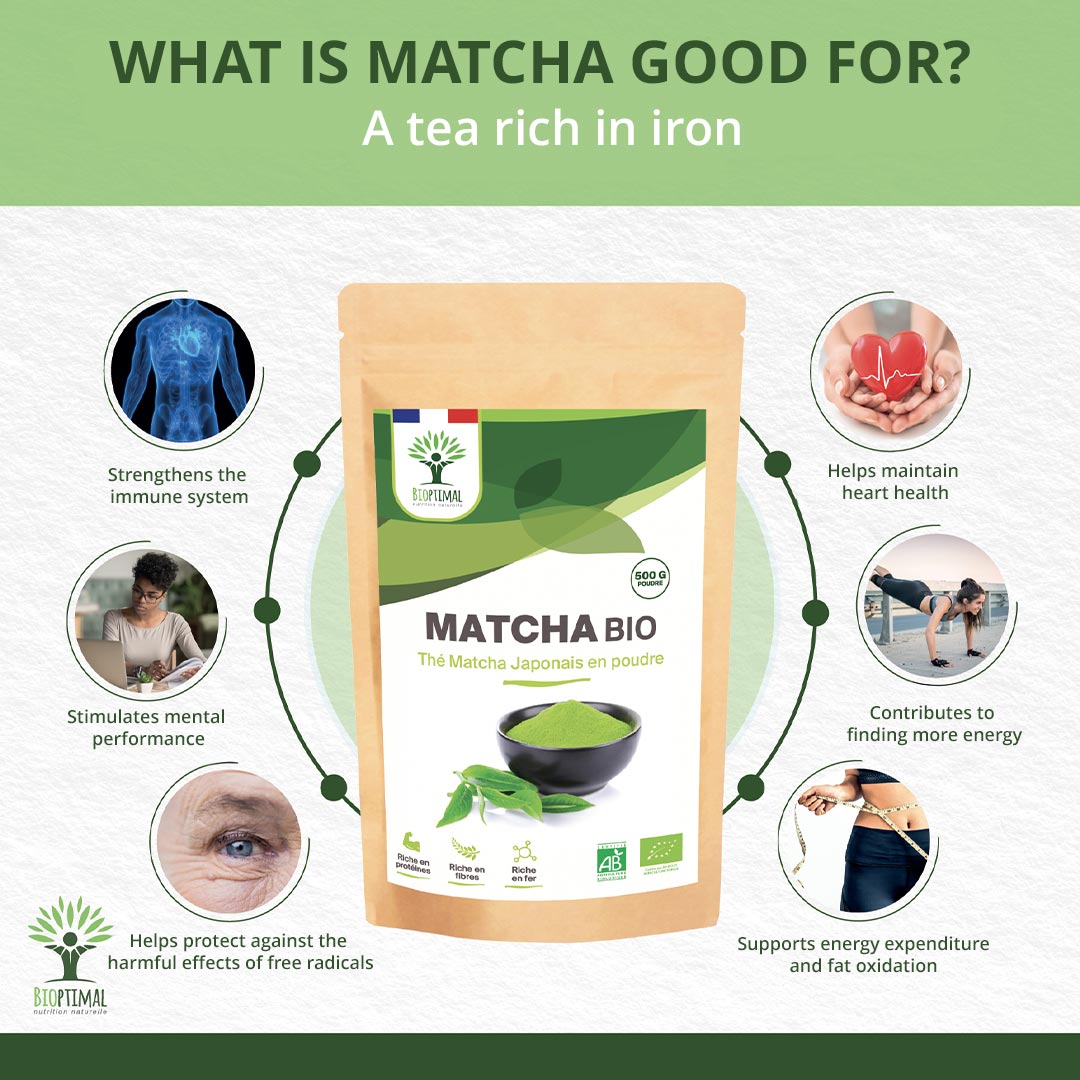
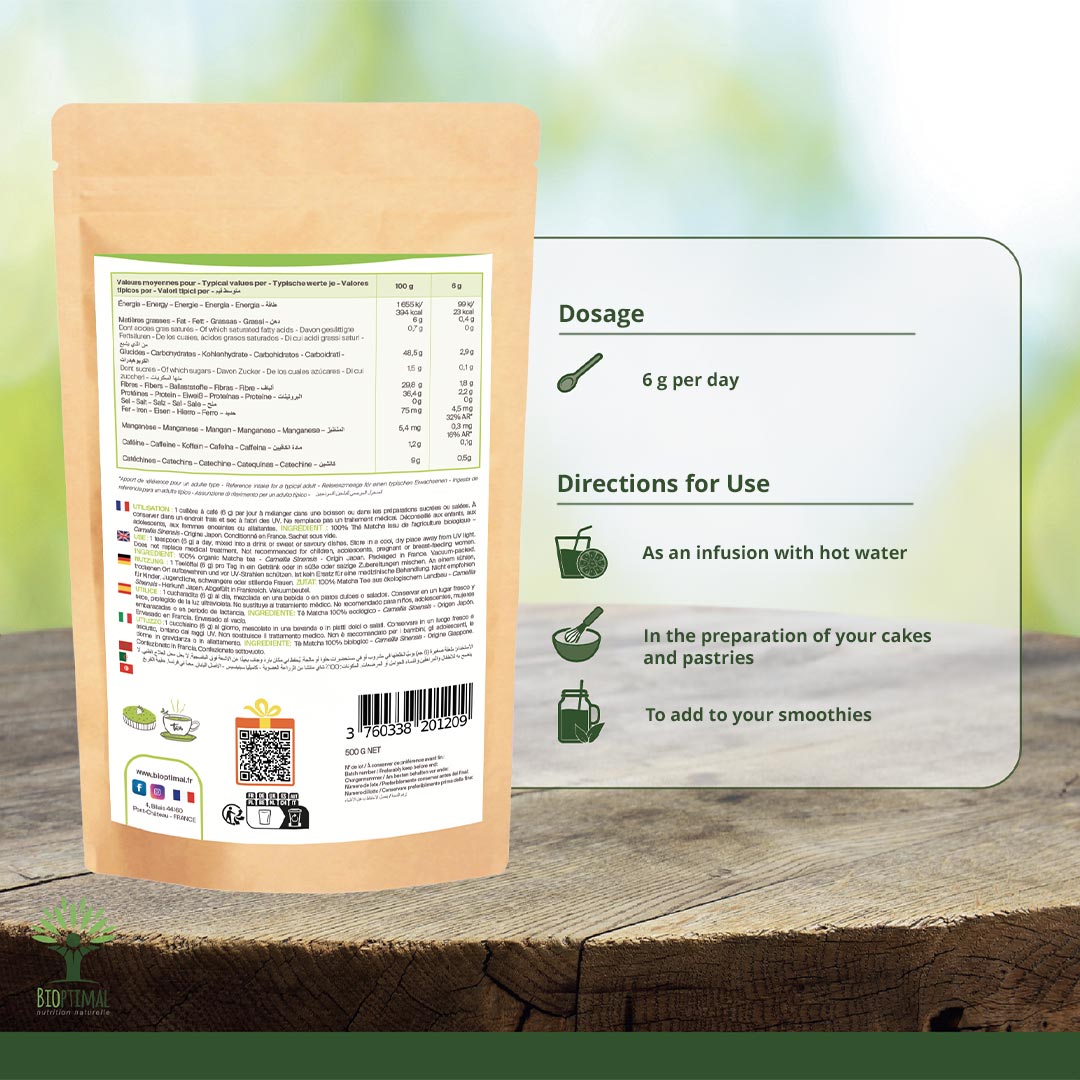
Ingredients like turmeric, matcha, ginger, CBD, and L-theanine are often marketed as adaptogens.
While they have wonderful health benefits, they do not meet the criteria for adaptogens.
This mislabeling raises awareness of the term but muddies understanding.
Adaptogens are not “better” than other herbs - they are simply one category among many. Nearly all herbs reduce stress in some way, but adaptogens are unique because they normalize systemic responses across the body.

Choosing the Right Adaptogen
Not every adaptogen is the same. Each has its own “personality” and works best for different needs:
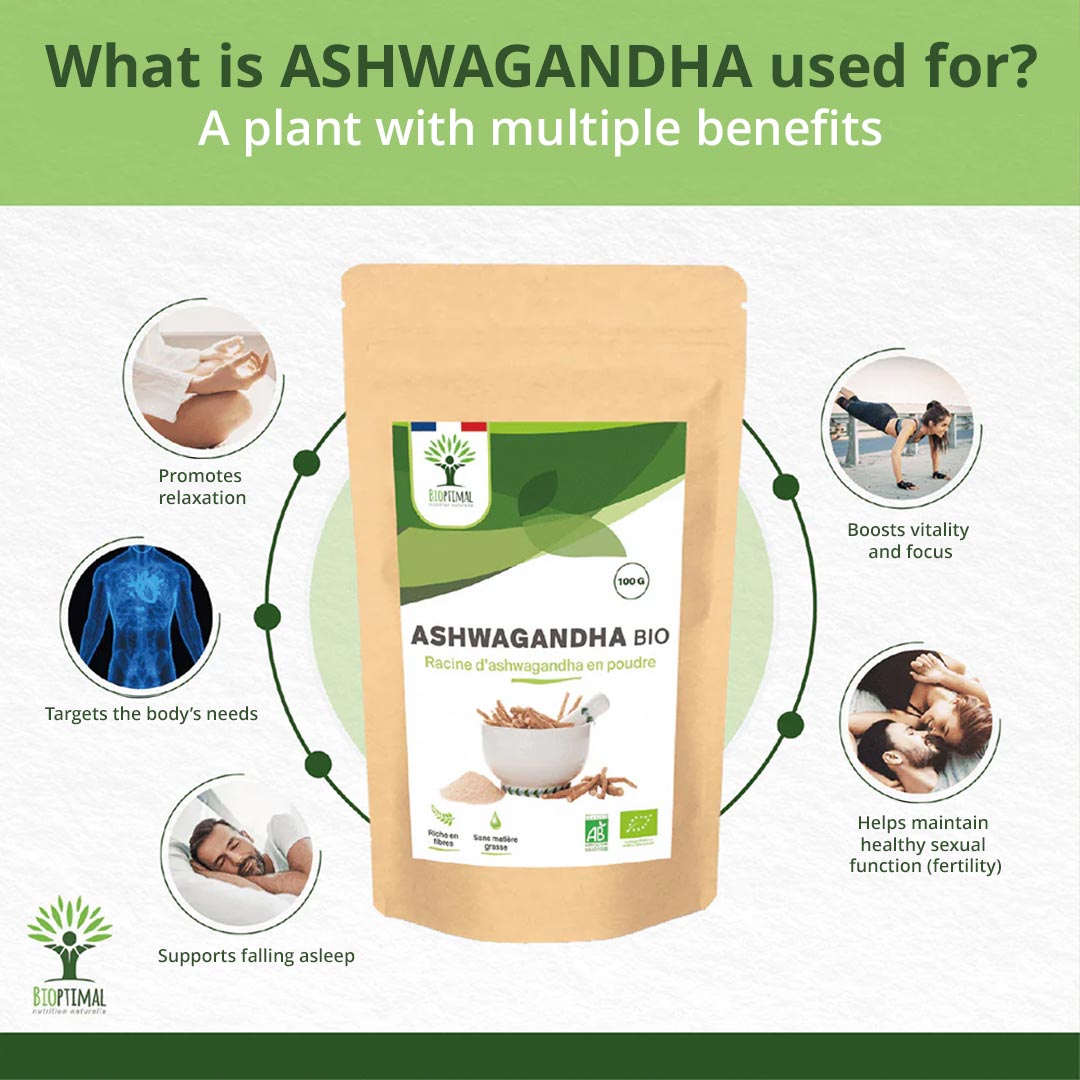
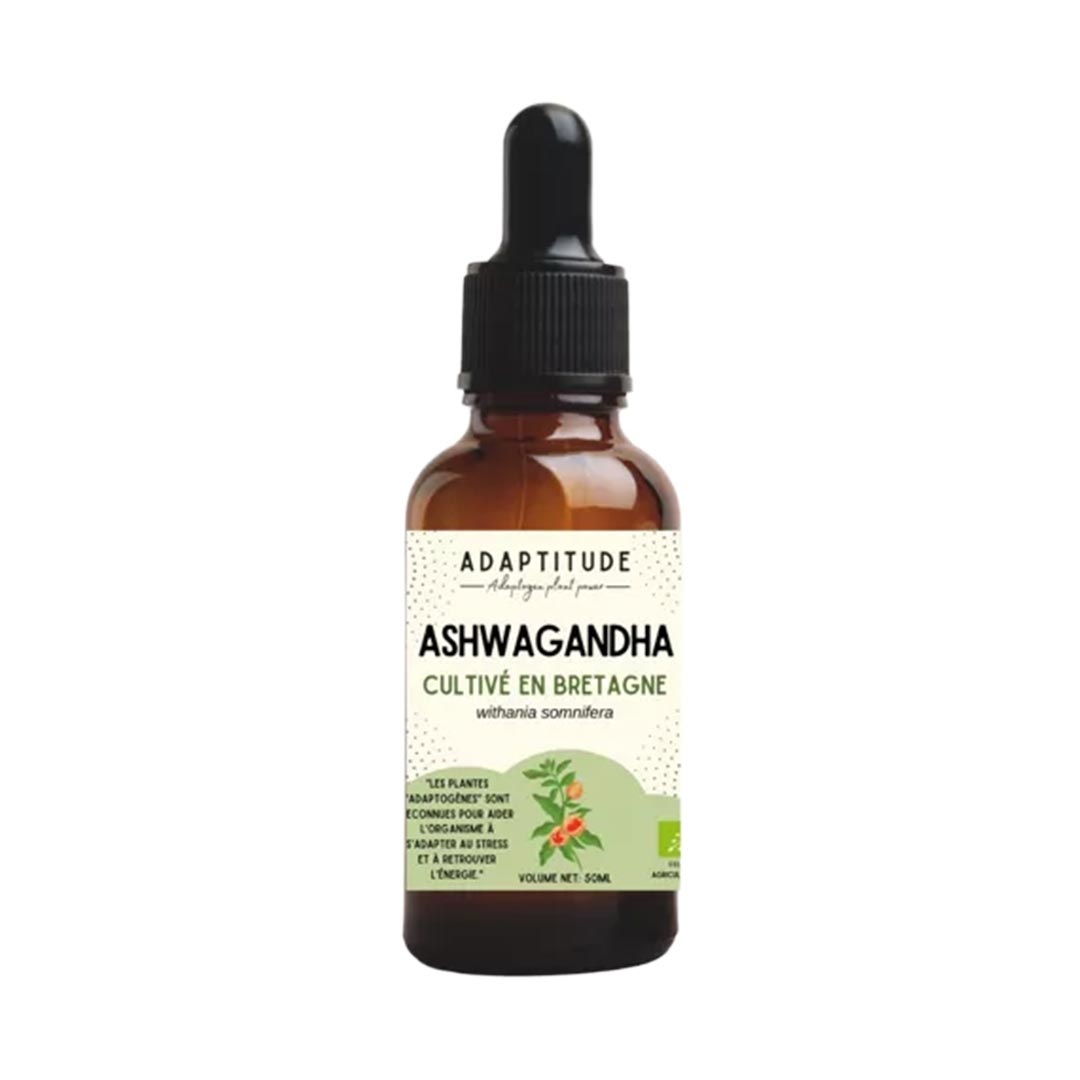
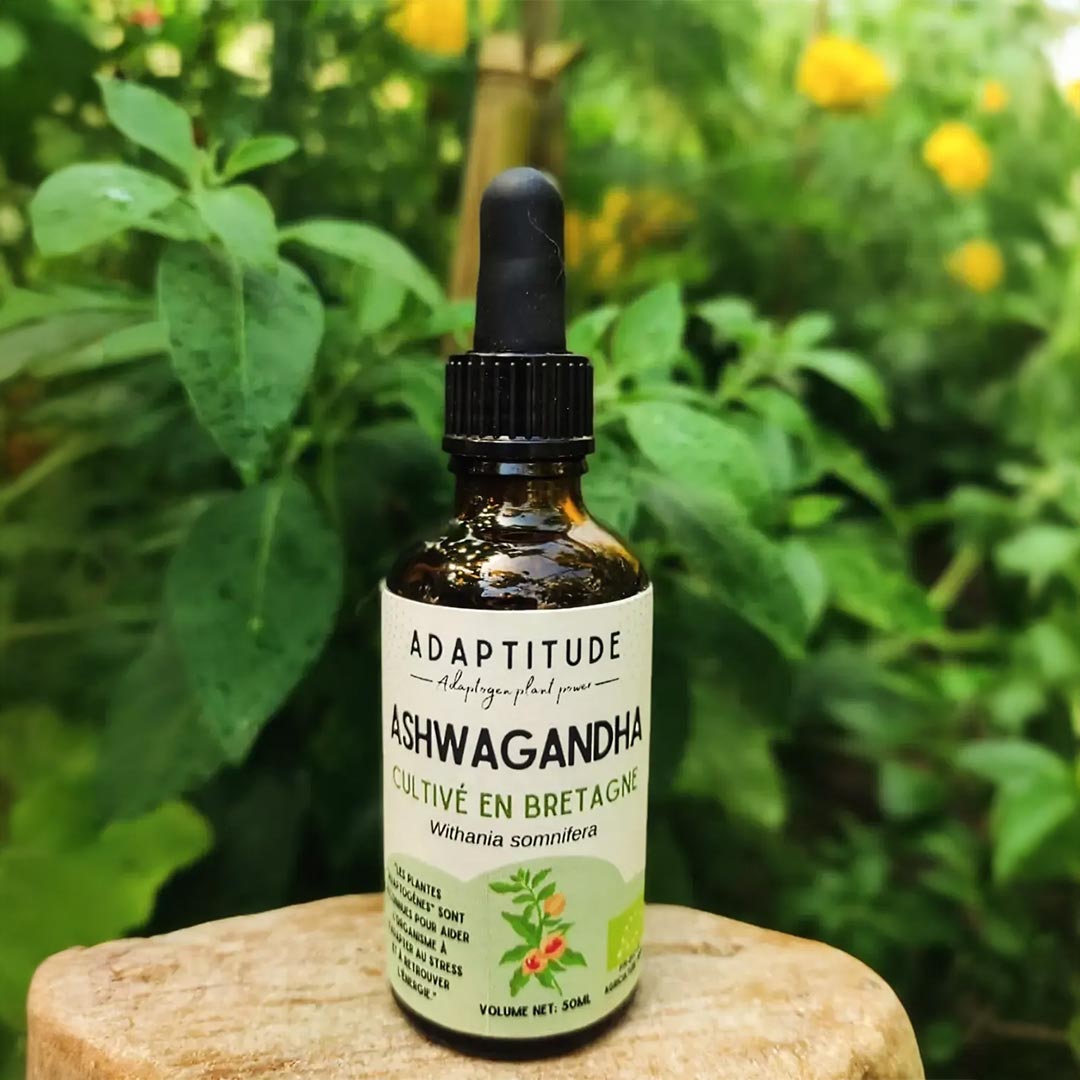
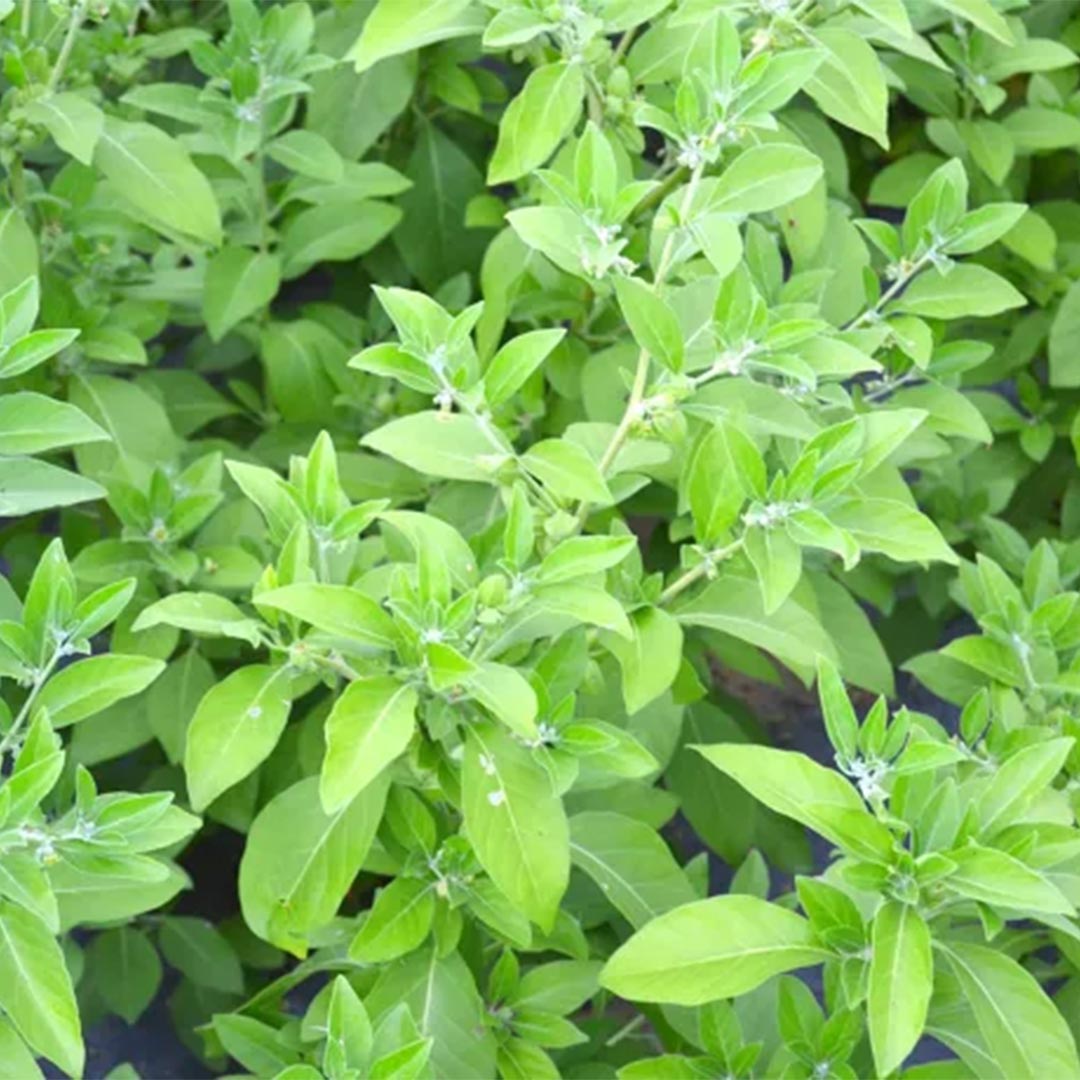
Ashwagandha (Withania somnifera) – Best for people feeling depleted, anxious, or having trouble sleeping. Helps lower cortisol and restore calm.
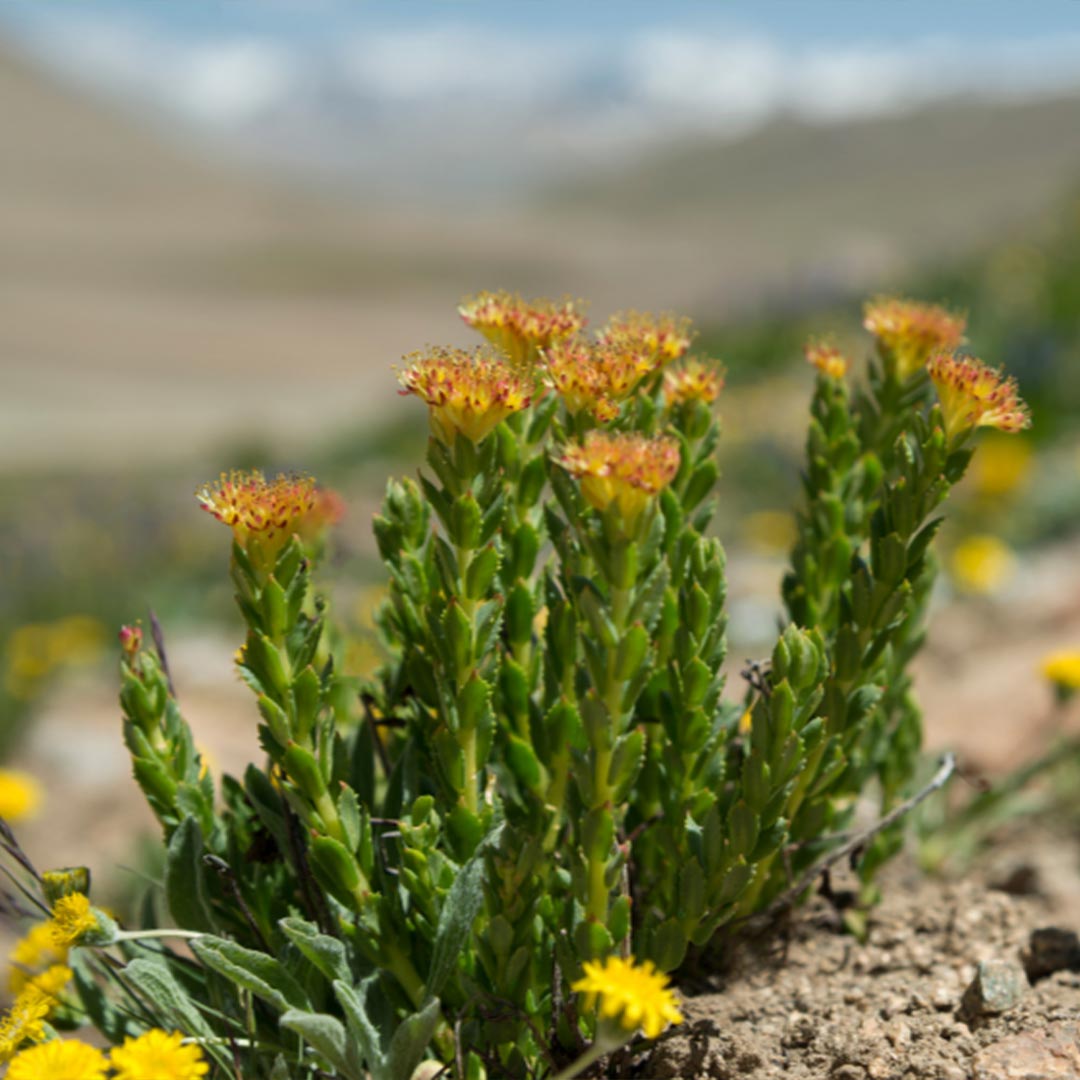
Rhodiola (Rhodiola rosea) – Supports focus and performance, especially during fatigue and mental strain.
Holy Basil (Tulsi) – Balances emotional stress, uplifts mood, and promotes mental clarity.
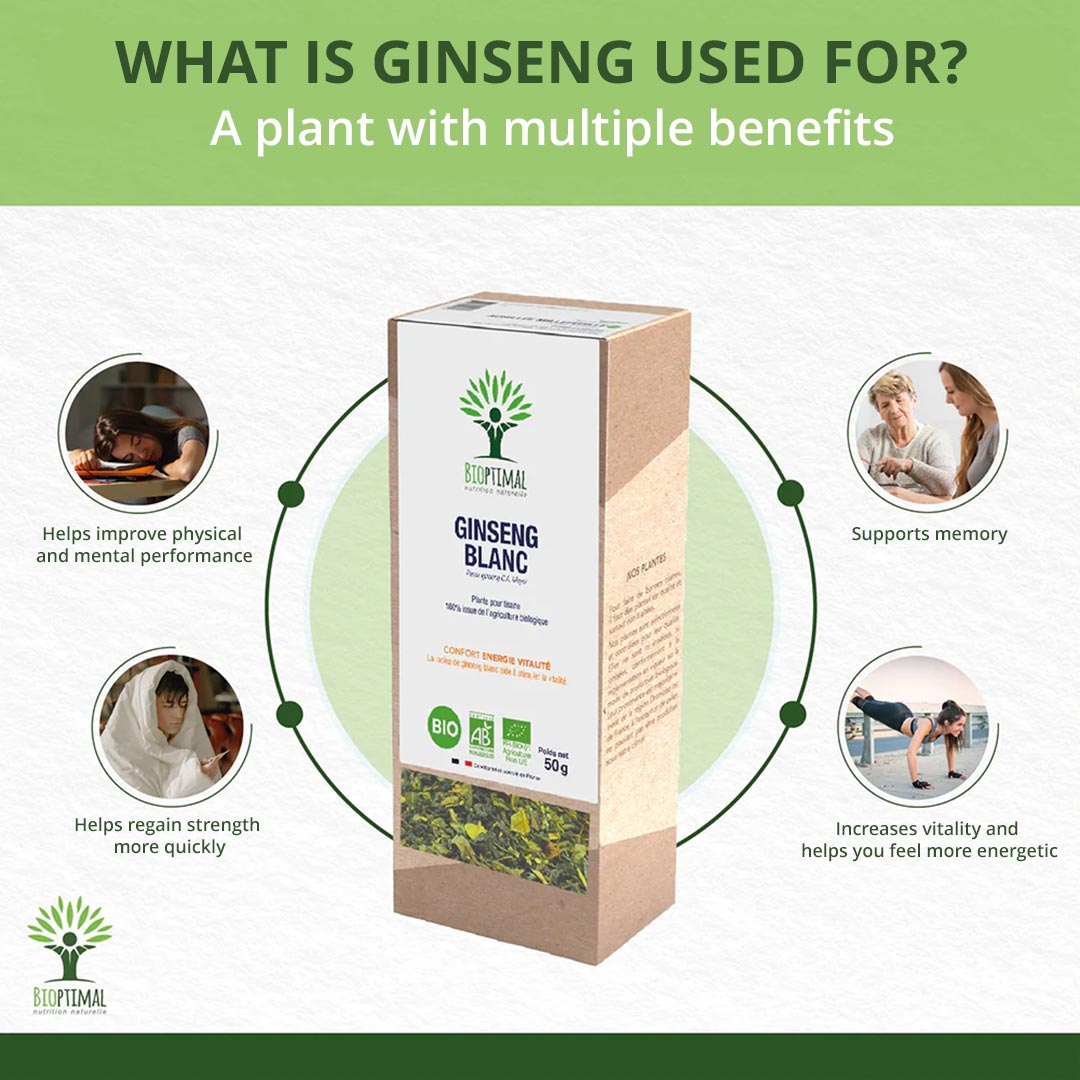
Eleuthero (Siberian Ginseng) – Increases stamina, endurance, and physical vitality.
Schisandra berry – Protects against stress-related fatigue, improves concentration, and supports liver function.
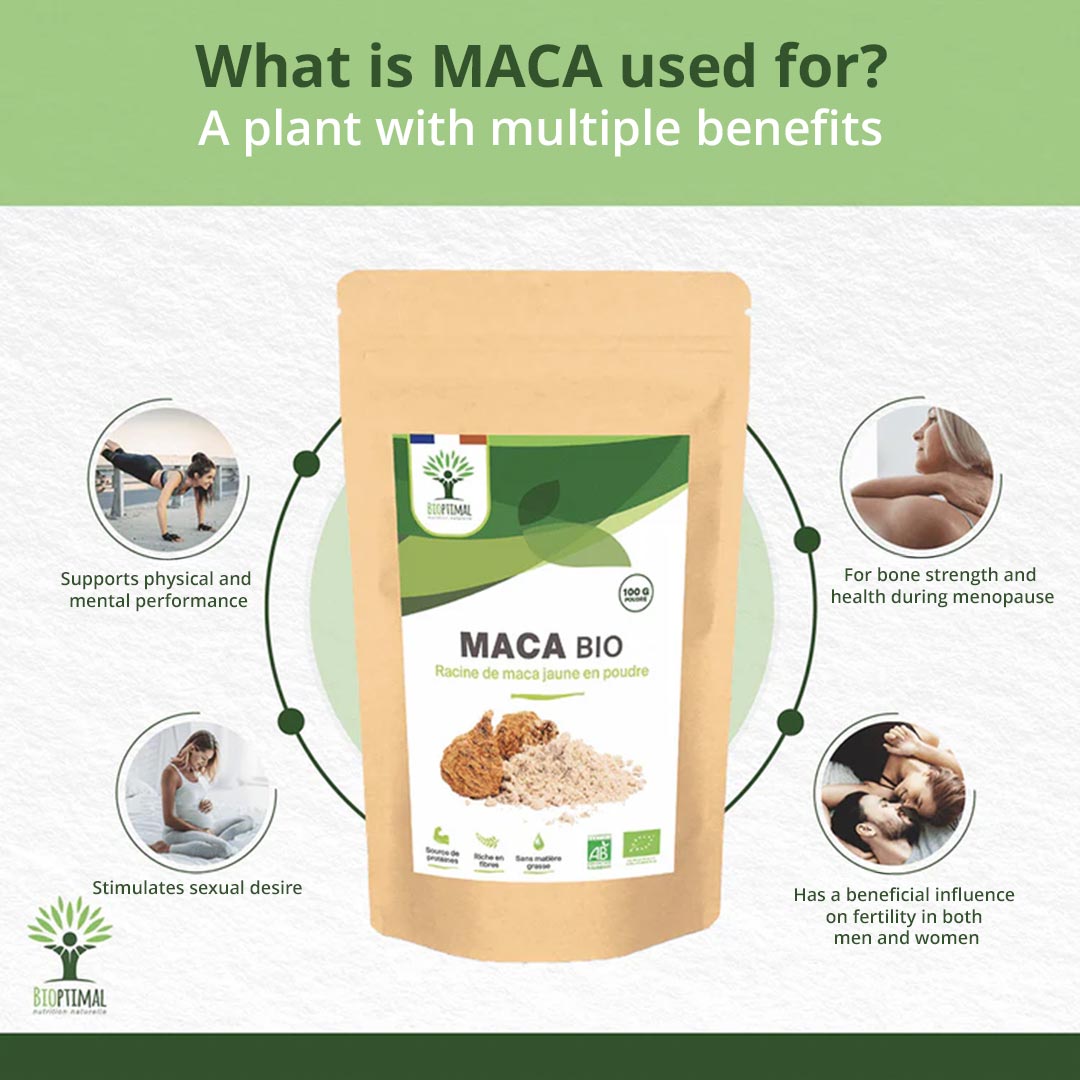
Maca (Lepidium meyenii) – Traditionally used in the Andes to boost stamina, vitality, and hormonal balance. Especially supportive for energy and resilience during physical and emotional stress.
Herbalism is not one-size-fits-all. The best adaptogen depends on your constitution, lifestyle, and unique stressors.



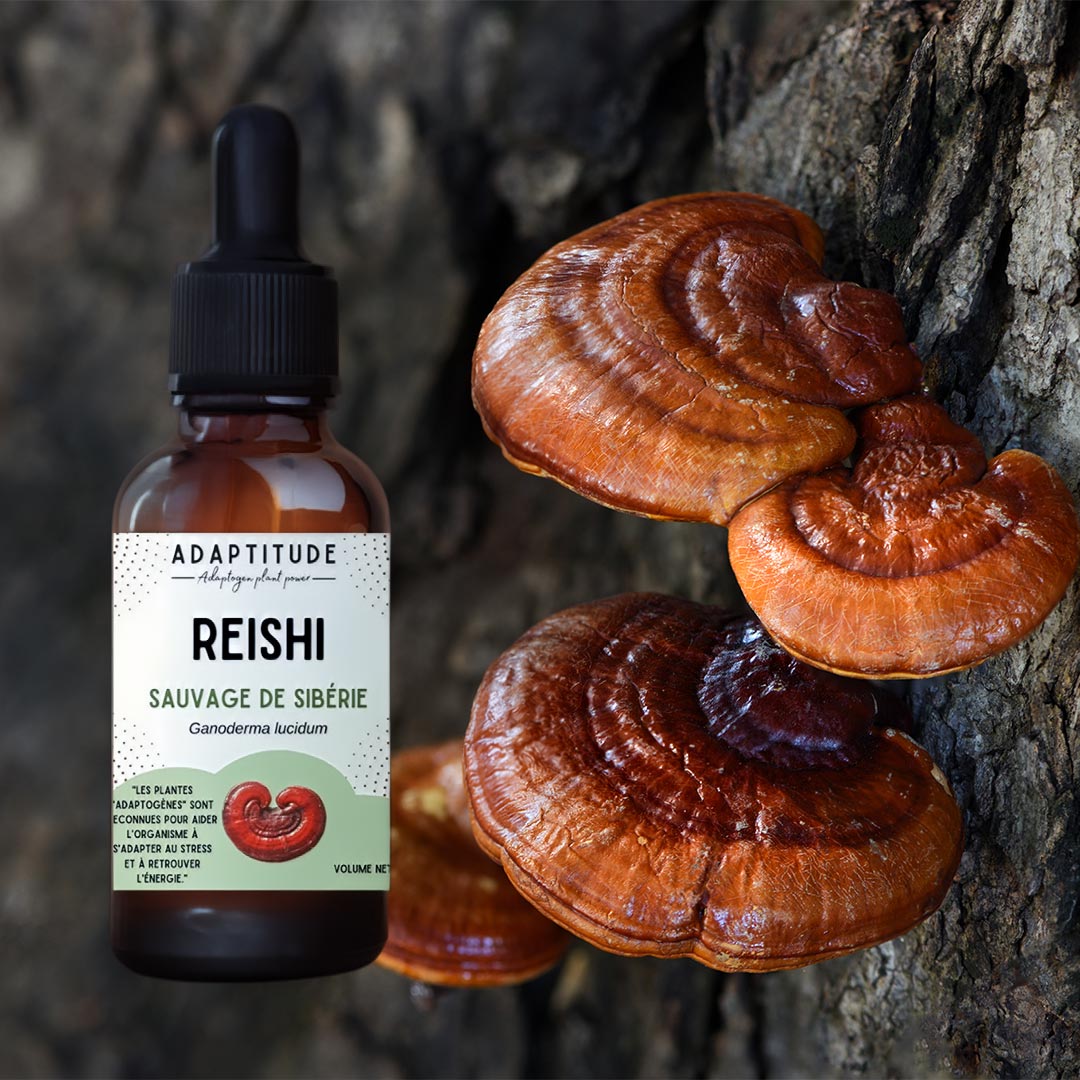
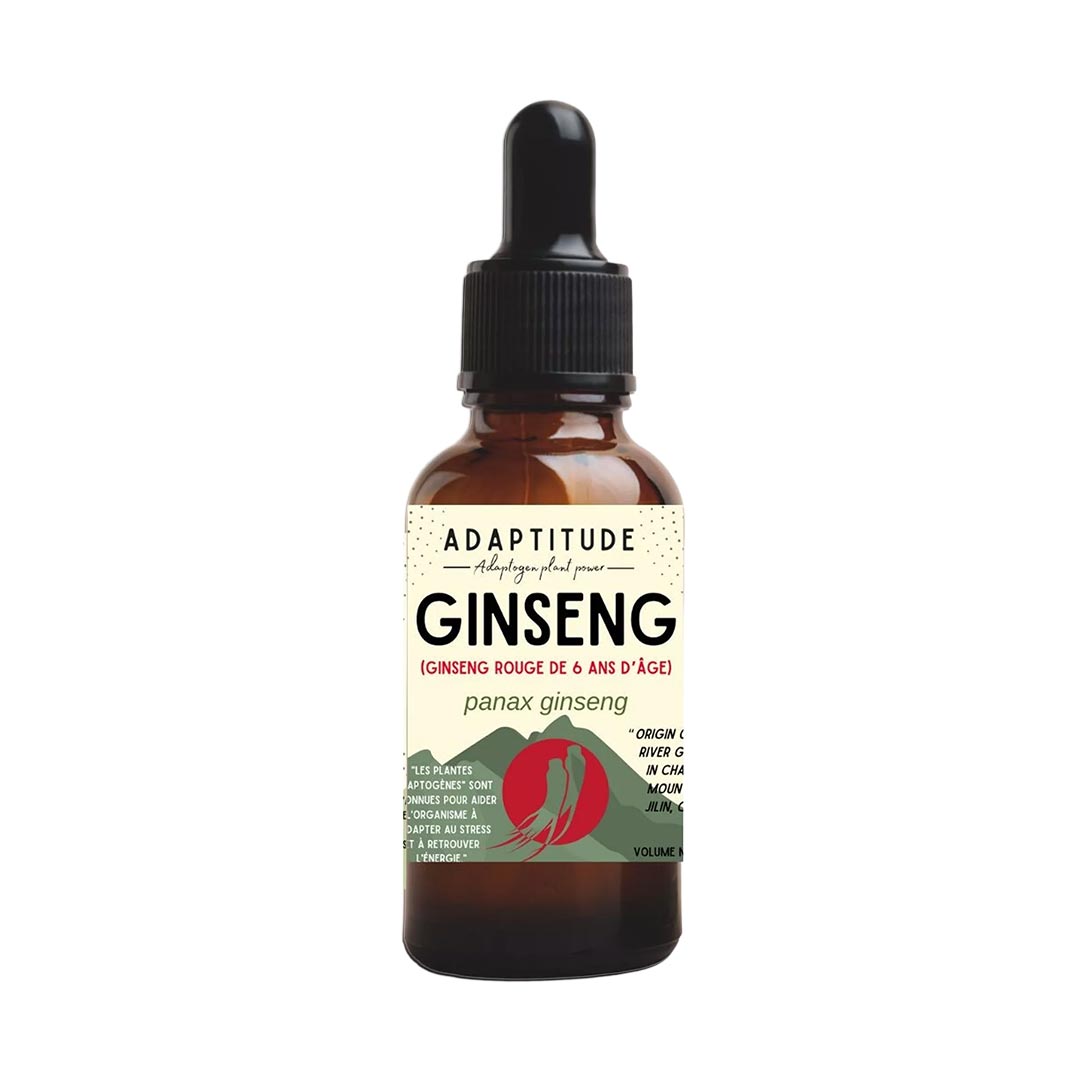
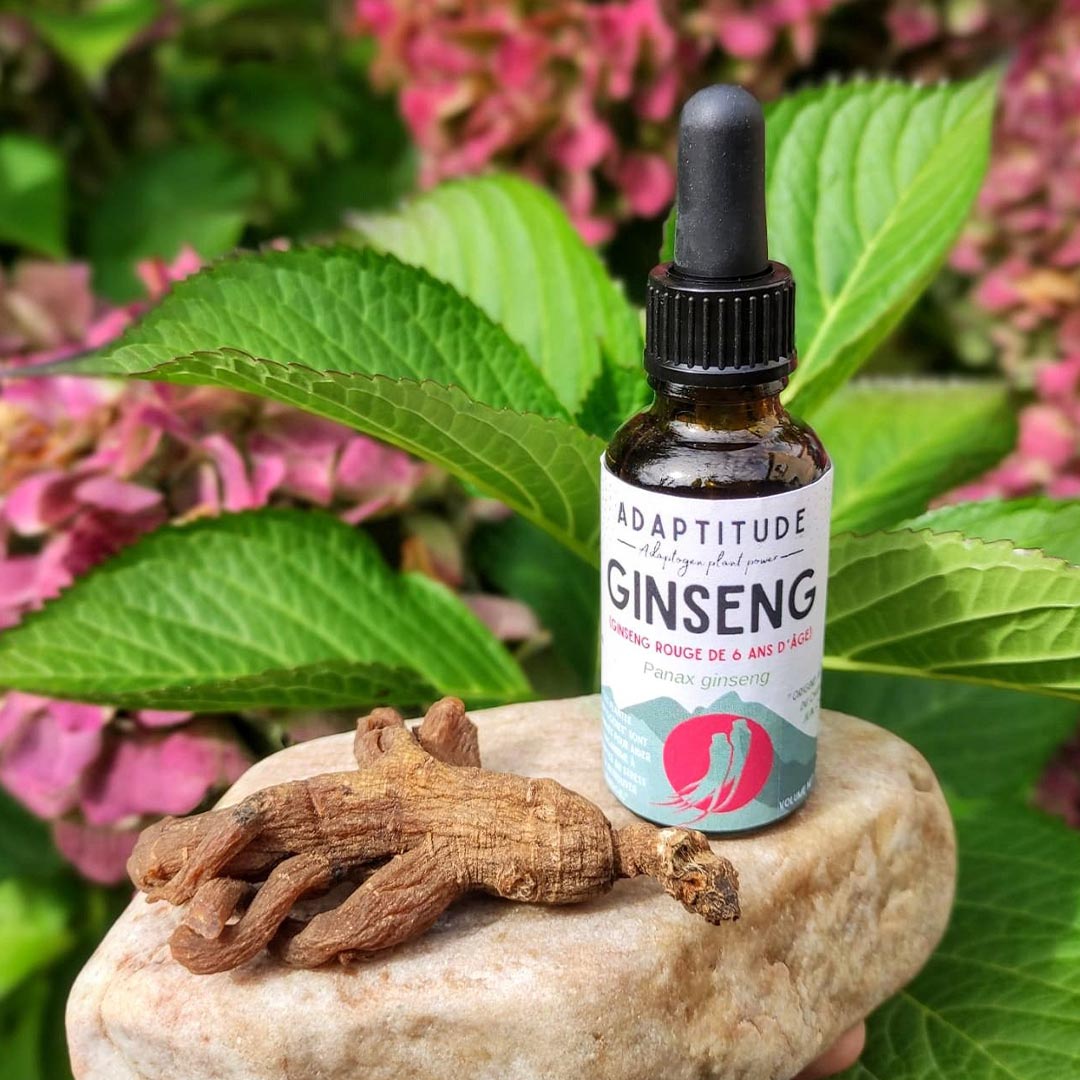
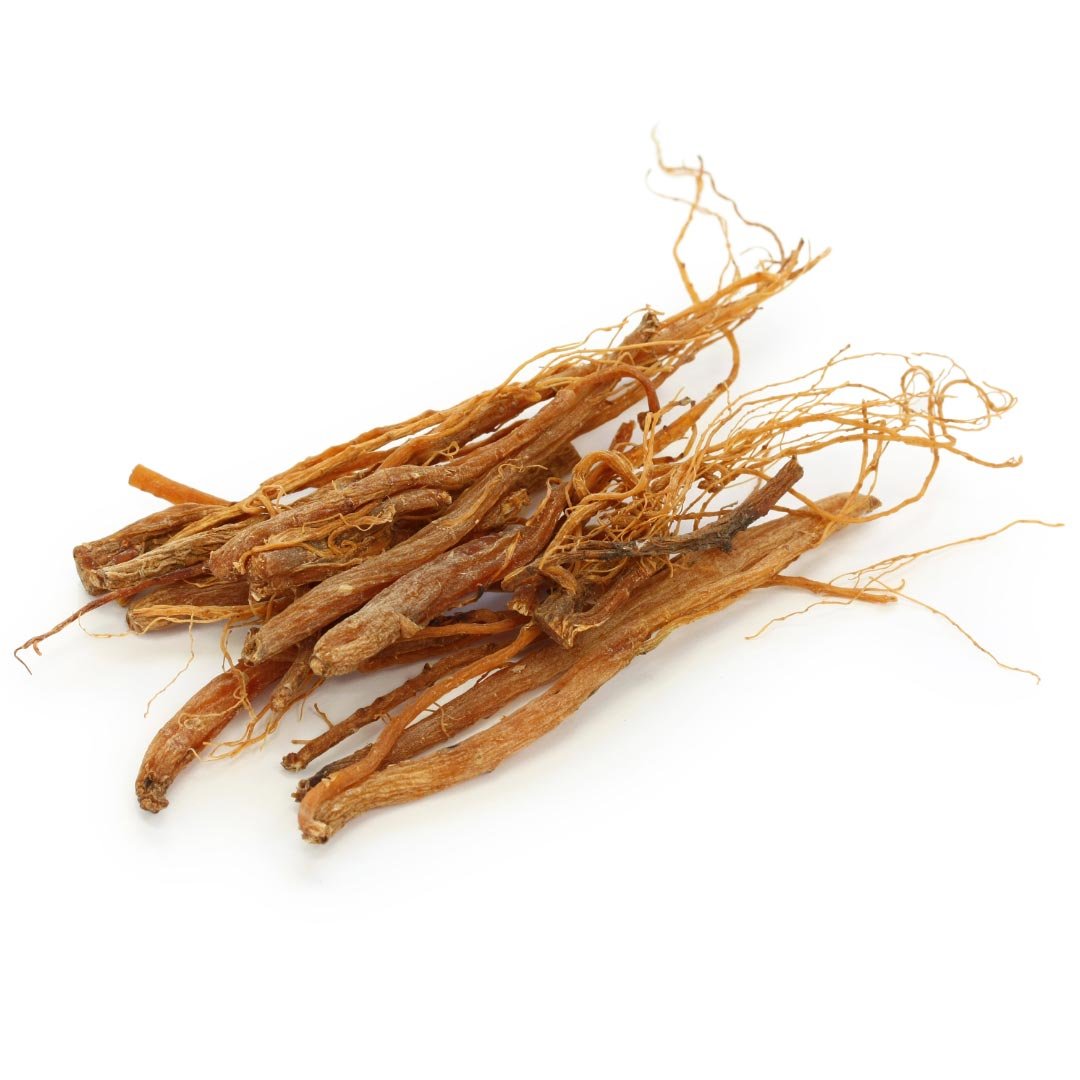
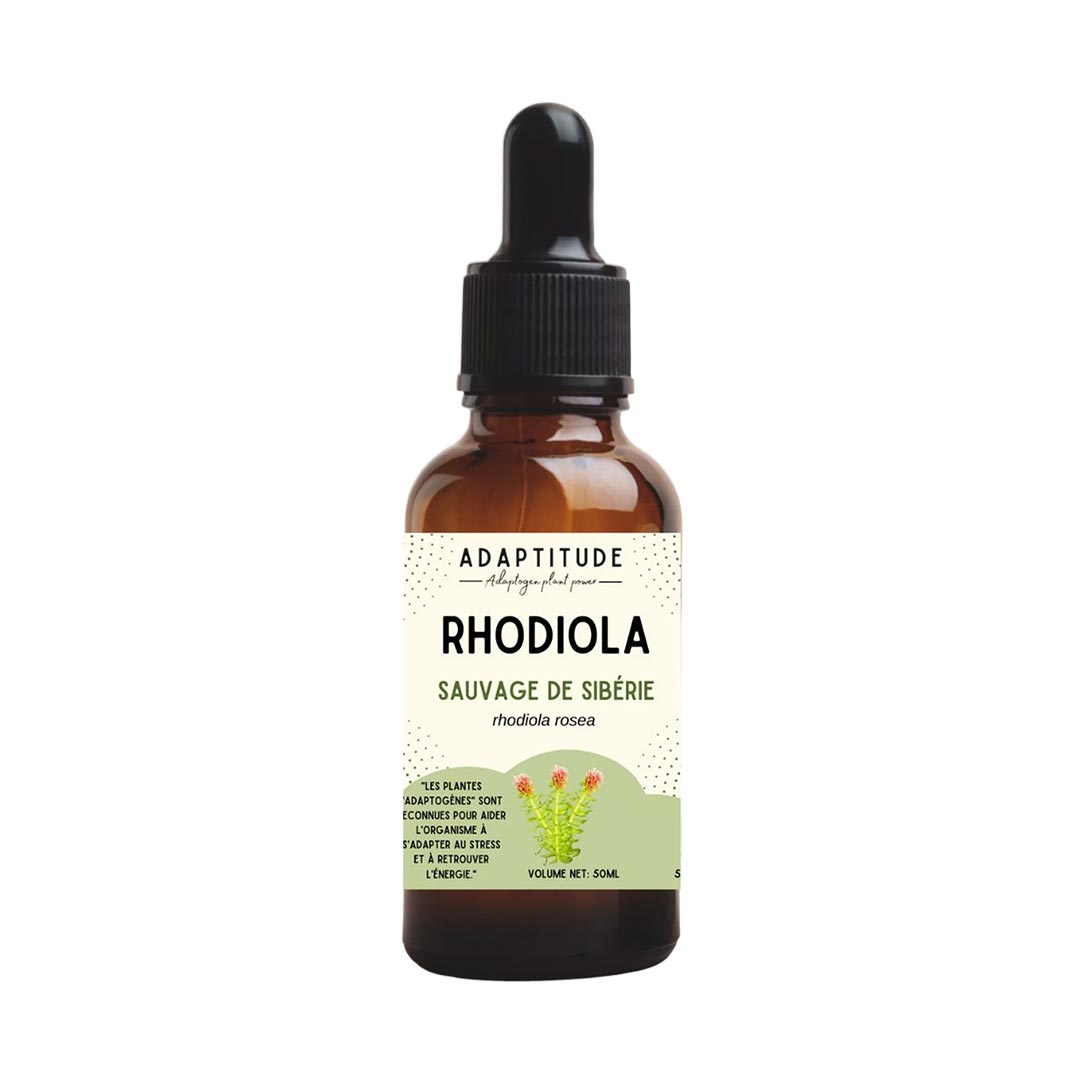
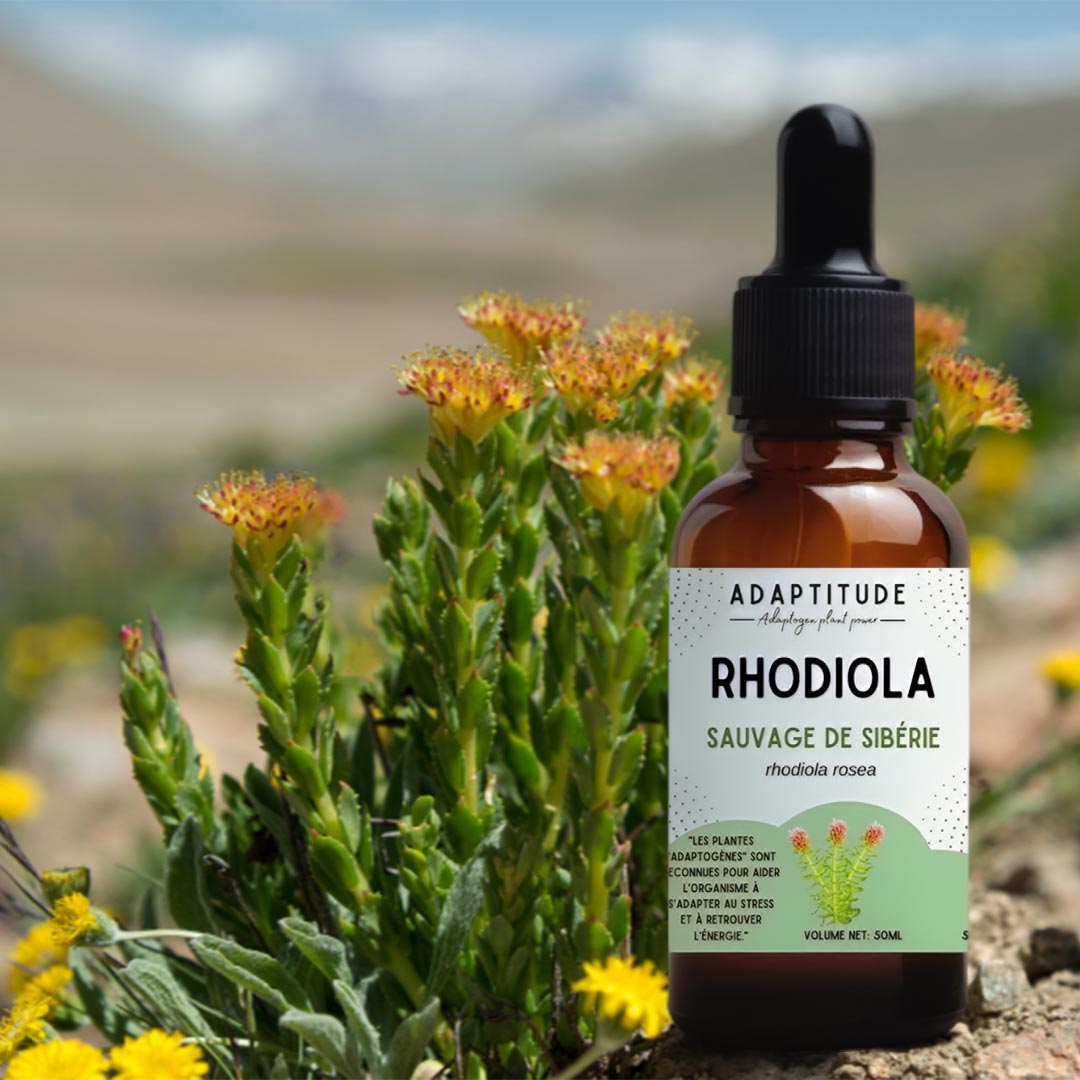
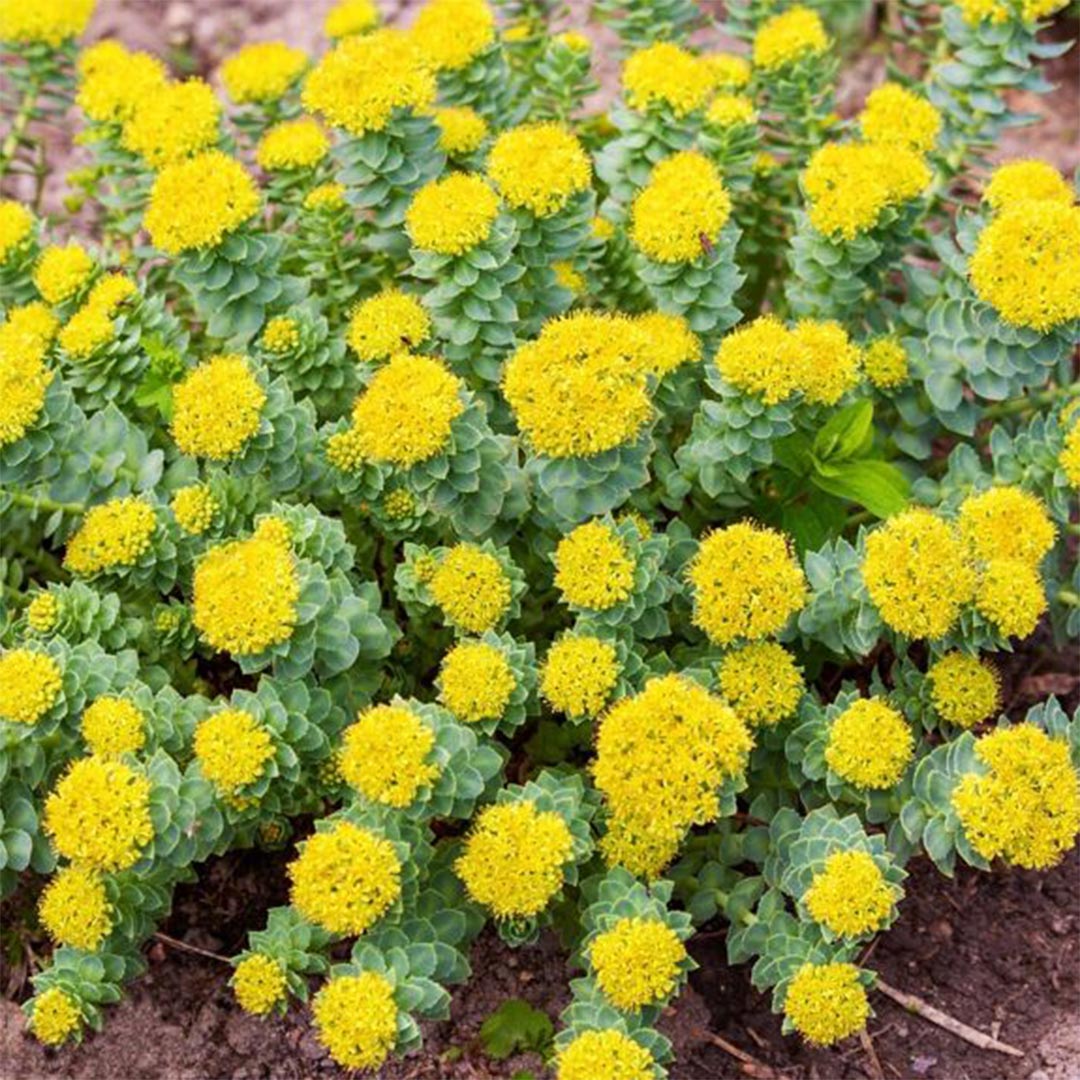
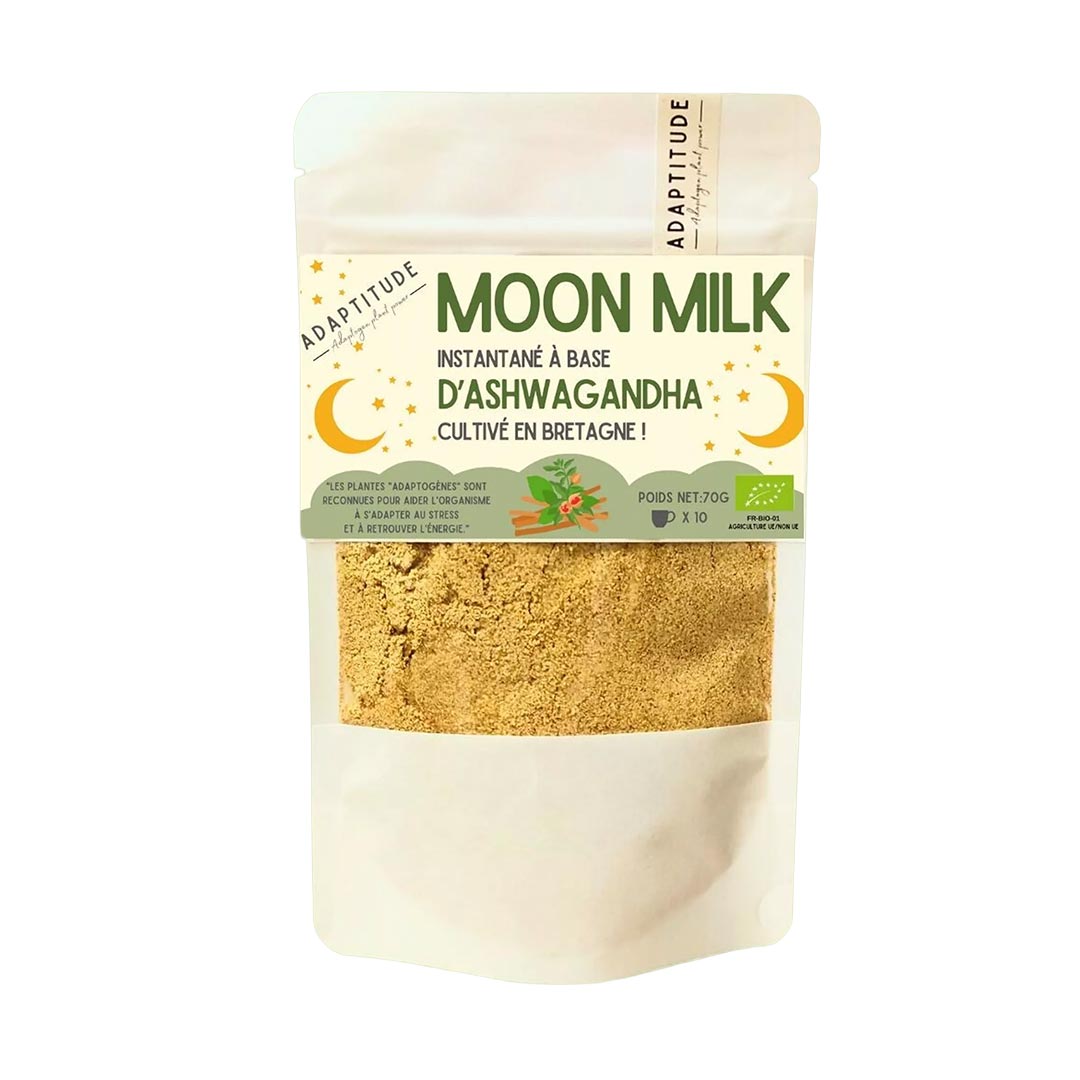
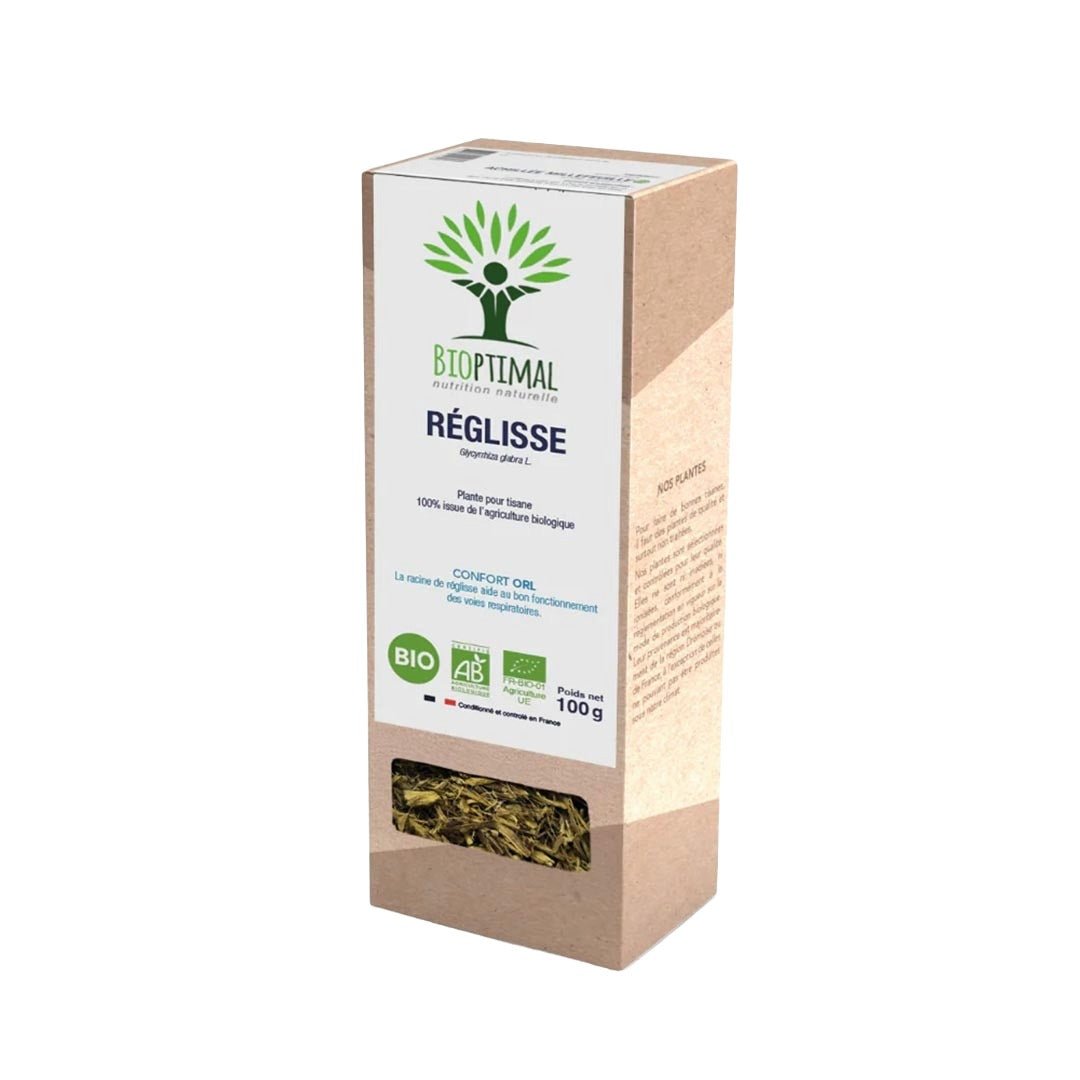
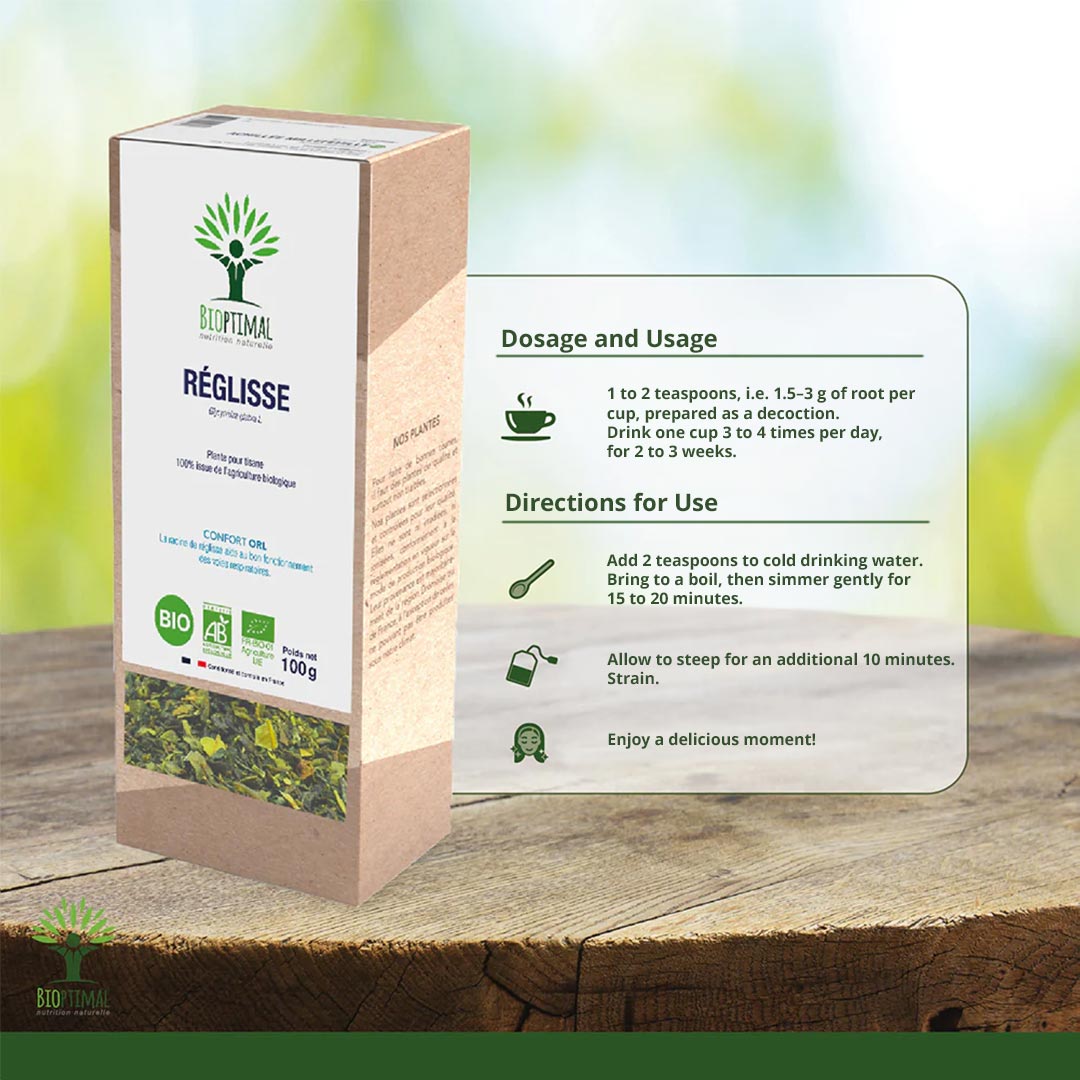

We’re proud to offer high-quality organic adaptogens that you can incorporate into your daily life:
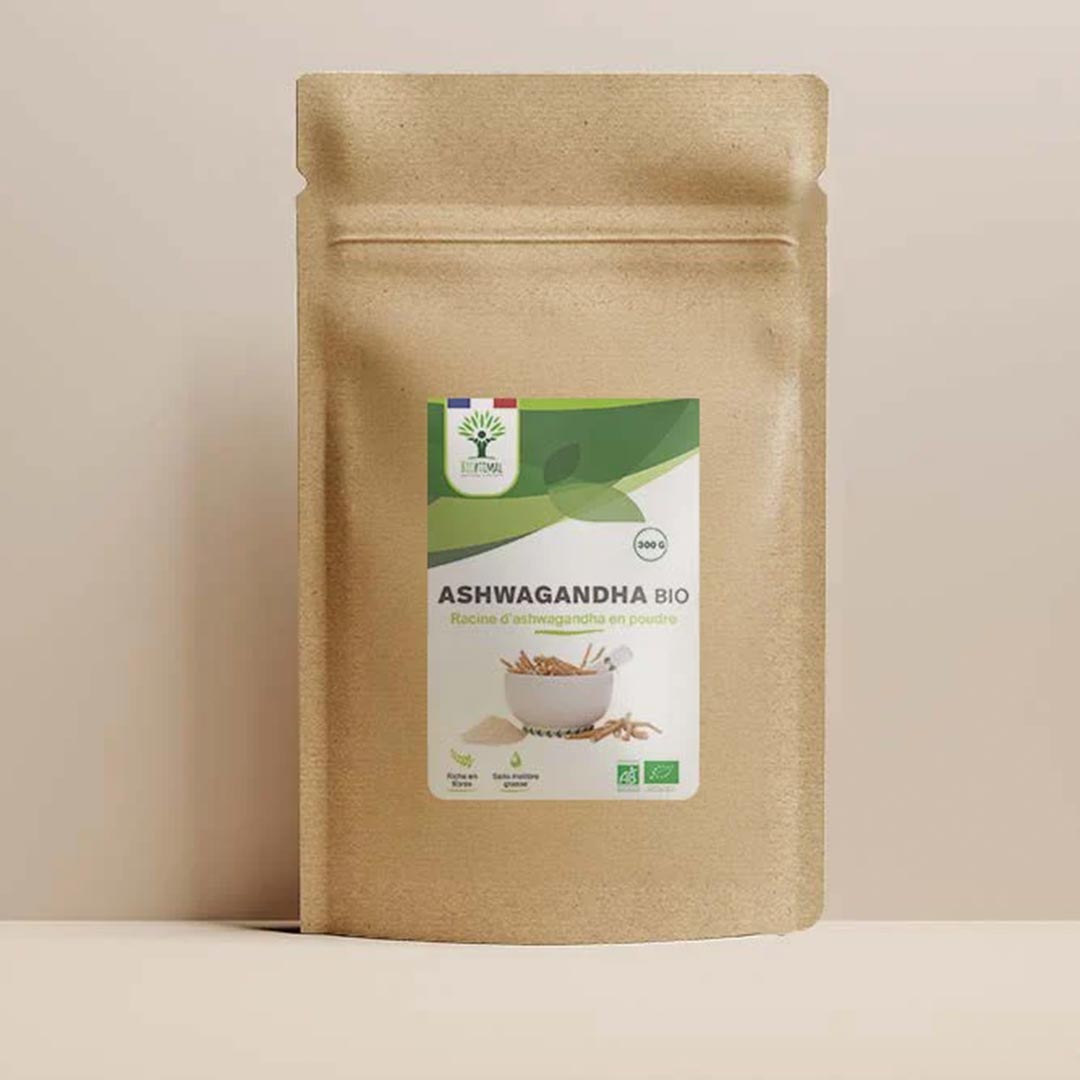
Ashwagandha(Withania somnifera) – Available as organic powder, ideal for mixing into smoothies or warm drinks.
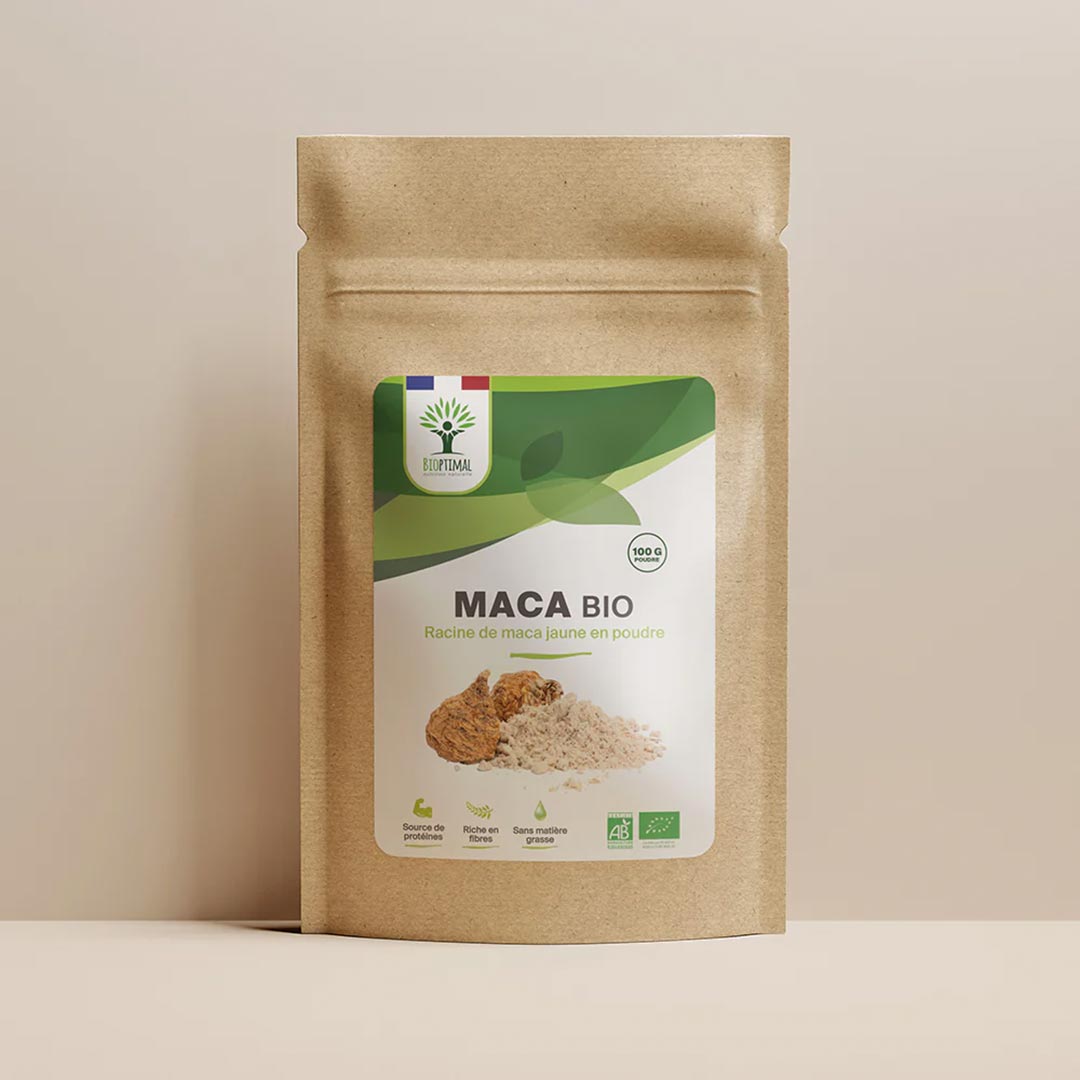
Maca(Lepidium meyenii) – Found in both capsules and powder form. Traditionally used for stamina, vitality, and hormonal balance.
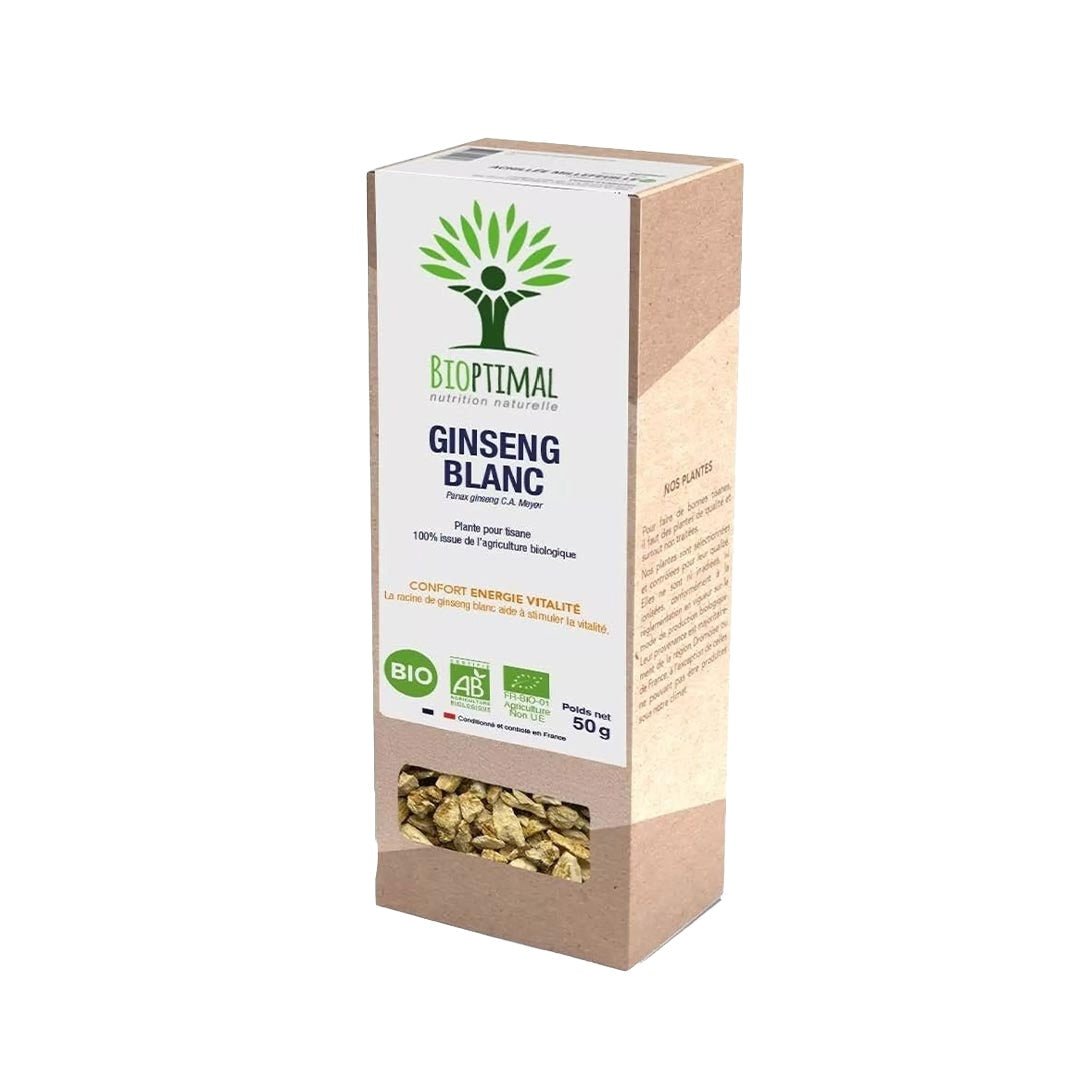
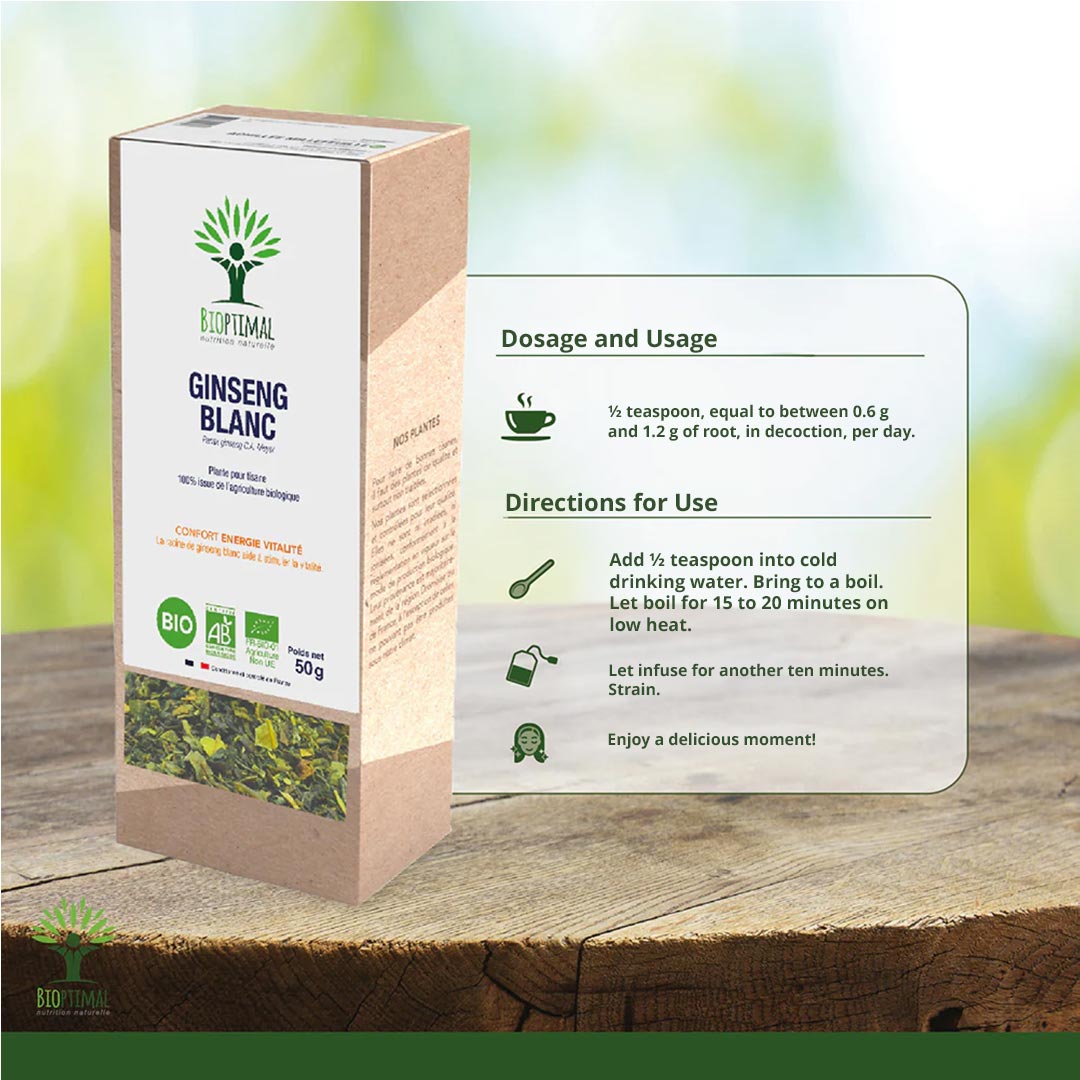
Panax Ginseng(Ginseng blanc bio) – Offered as infusion-ready roots, perfect for natural energy and immune support.
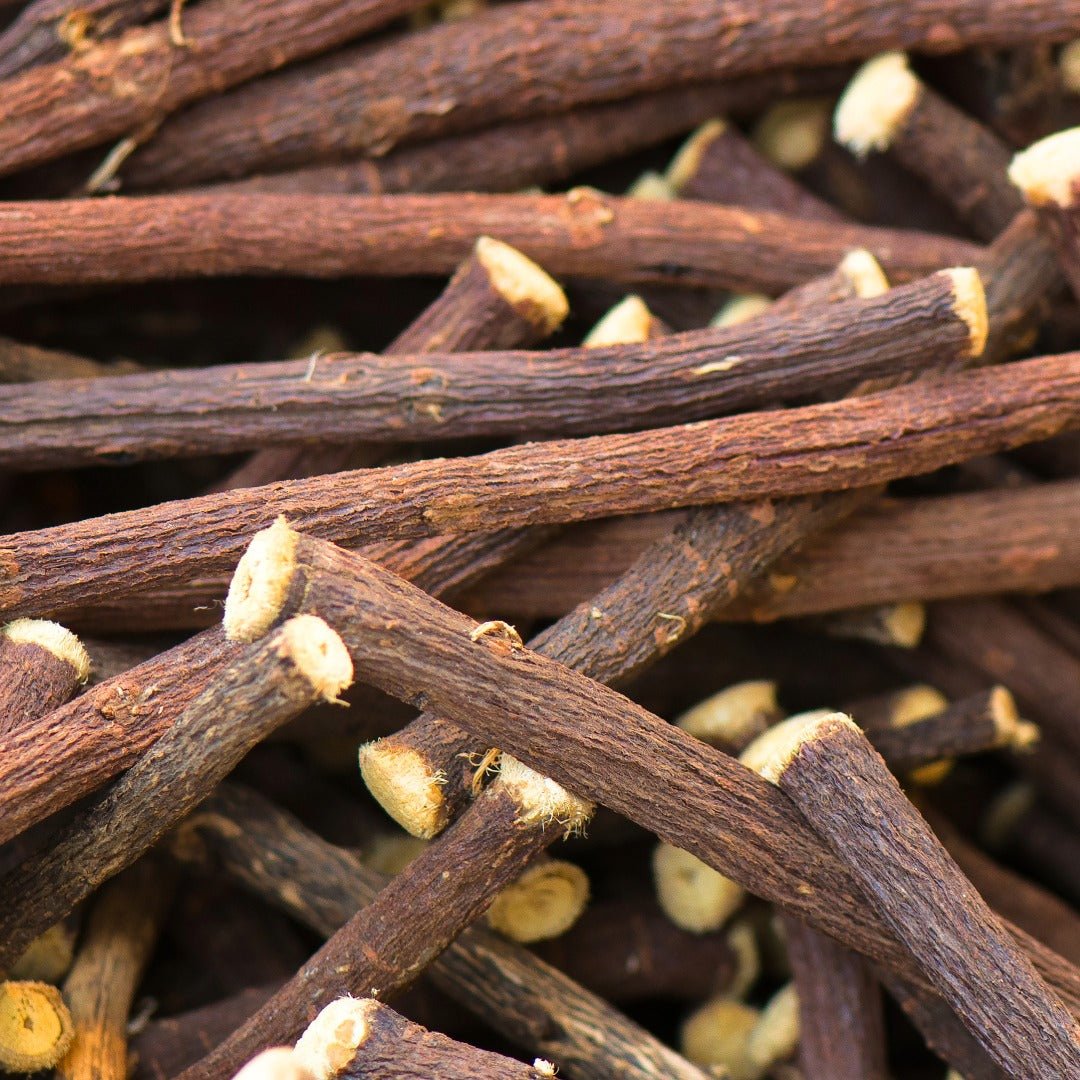
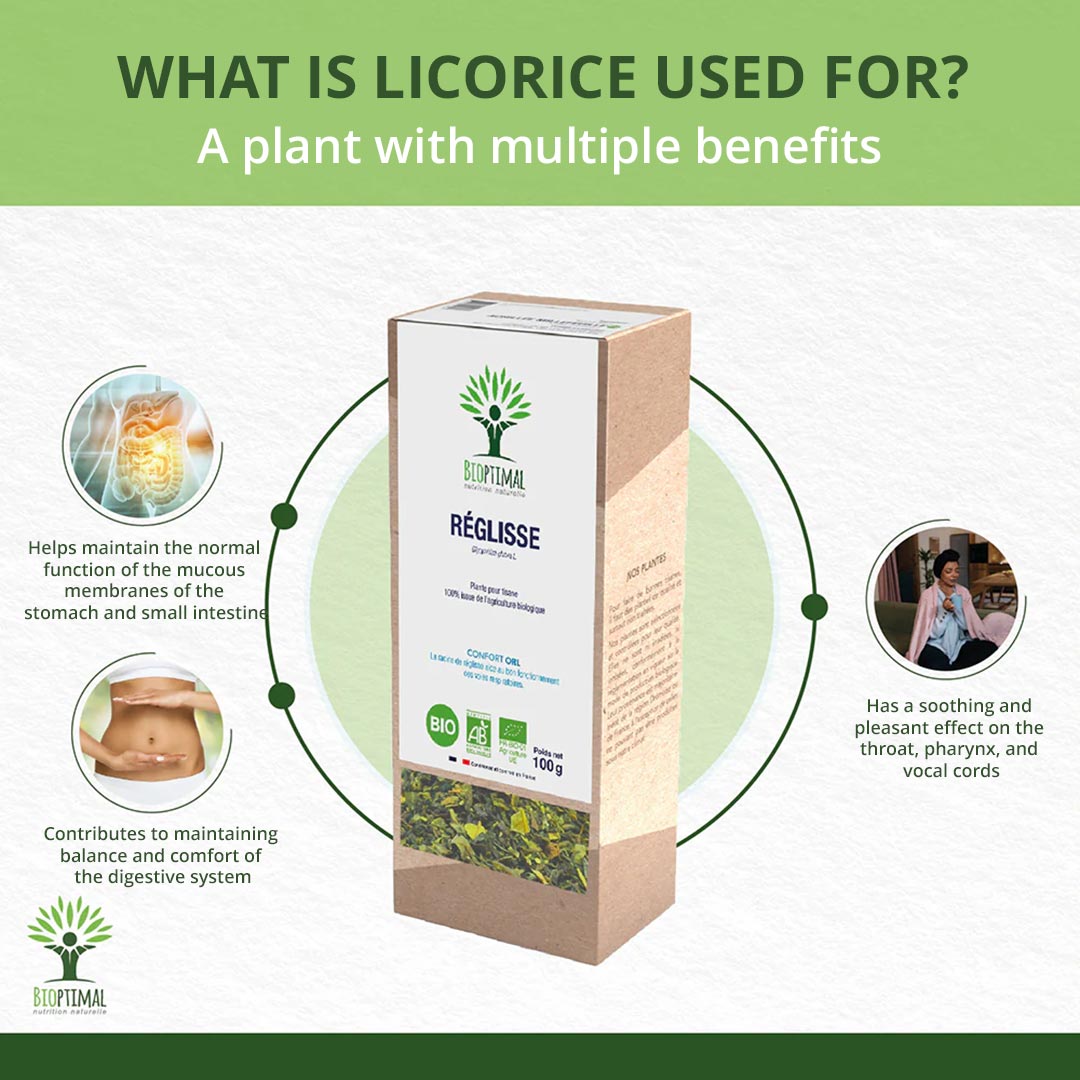
Licorice Root(Glycyrrhiza glabra) – Available as roots and sticks for infusion. Supports adrenal health and combats exhaustion.Coming soon!These adaptogens represent some of the most effective allies for stress resilience. Each offers something slightly different, so you can choose the one or the combination that best fits your needs.
Stress, anxiety, and busyness are not the same thing. Each requires a different approach, and adaptogens are one piece of the herbal toolkit. By helping the body find balance, adaptogens offer long-term resilience and energy - not quick fixes.
They are best used alongside supportive herbs, nourishing foods, quality sleep, and mindful living. When taken consistently, adaptogens strengthen your foundation so that when life gets stormy, you can bend without breaking.

FAQ
Frequently Asked Questions About Adaptogens
Are all herbs adaptogens?
No. Adaptogens are a small, well-defined group of herbs. Many plants relieve stress, but only adaptogens normalize systemic stress responses through the HPA axis (Hypothalamic–Pituitary–Adrenal axis).
Can I combine adaptogens with other herbs?
Yes. Adaptogens are often combined with nervines (for calming) or sedatives (for sleep) to create a complete stress-support plan.
Which adaptogens do you carry?
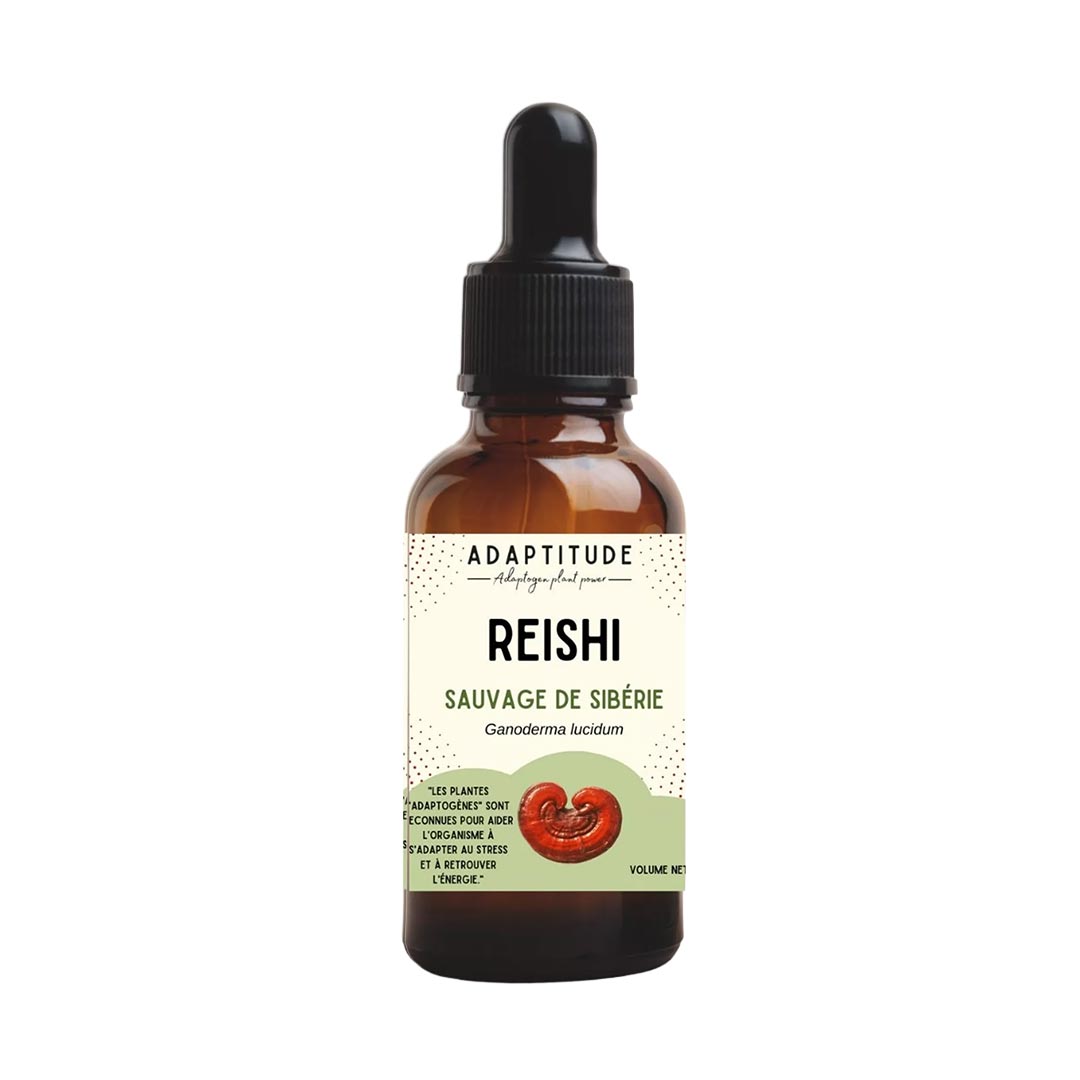
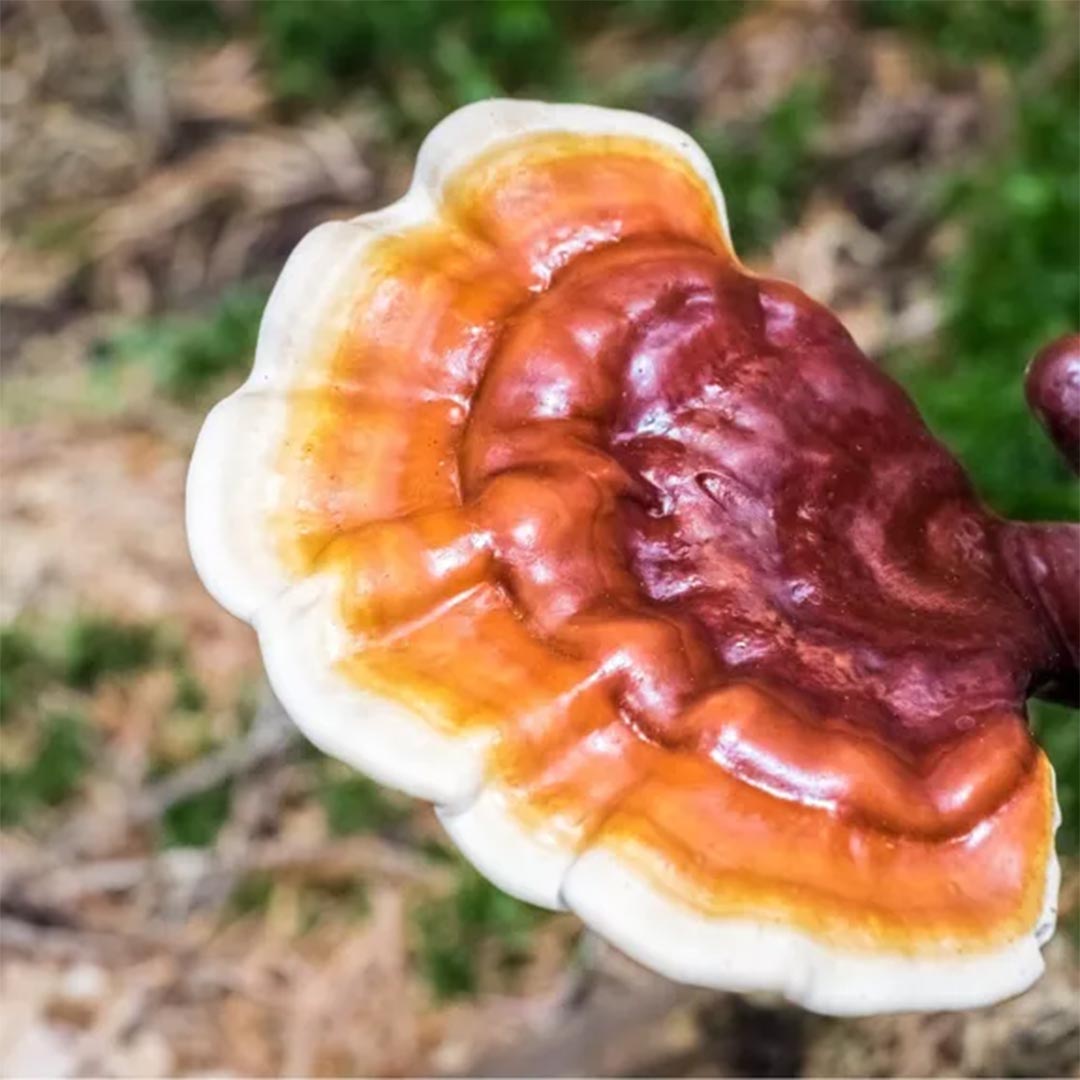
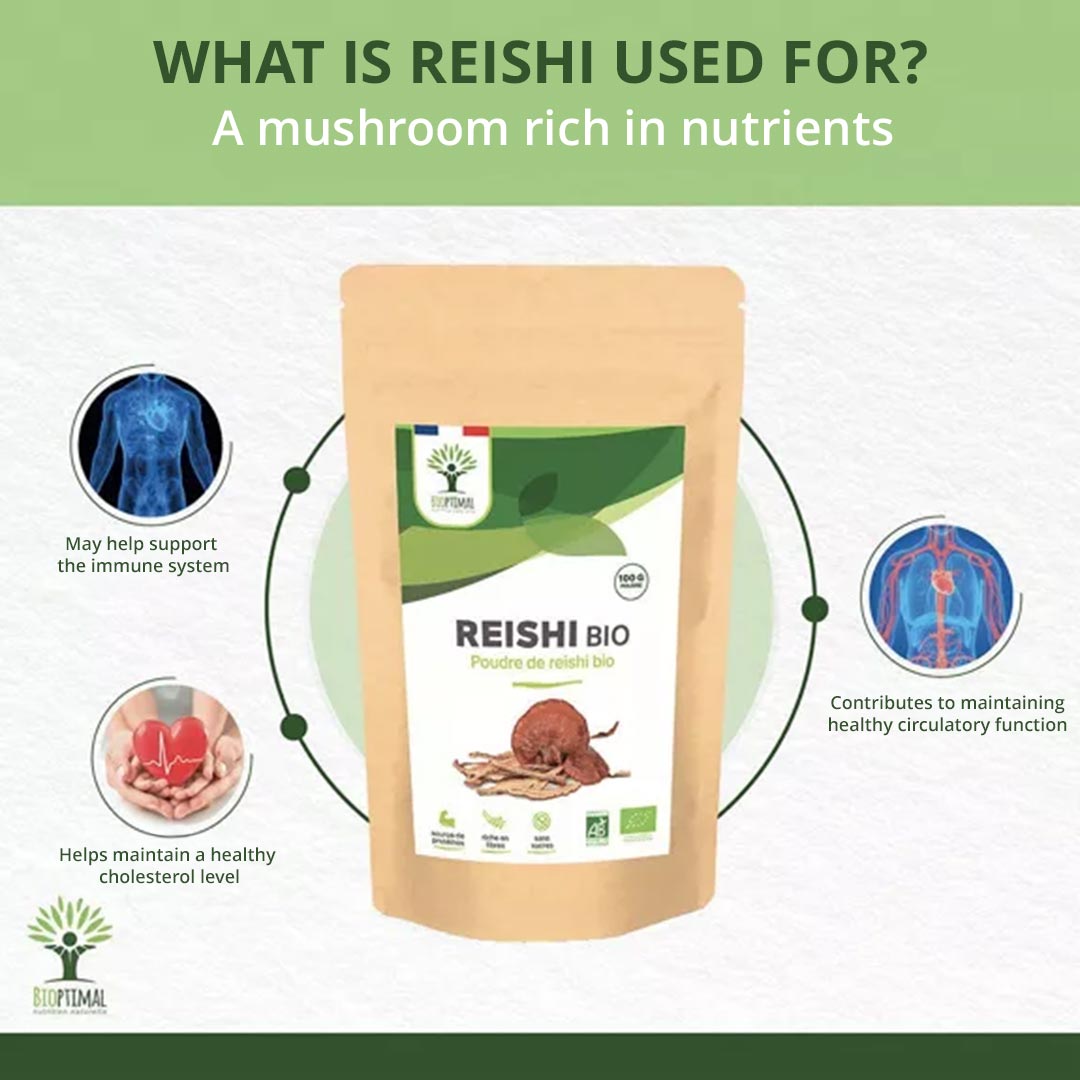
We currently stock Ashwagandha, Maca, Ginseng, and Licorice Root as powders and infusions. Rhodiola, Reishi, Red Ginseng, Ashwagandha extract.
Do adaptogens work immediately?
Unlike caffeine, adaptogens build effects over time. They are best taken daily, often for weeks or months, to strengthen resilience.
Are adaptogens safe for long-term use?
Most adaptogens are safe when used appropriately. However, some (like Ginseng or Licorice) can be stimulating or affect blood pressure, so it’s best to consult a qualified practitioner for guidance.








Explore more...
A Guide to Carrier Oils for Every Skin Type
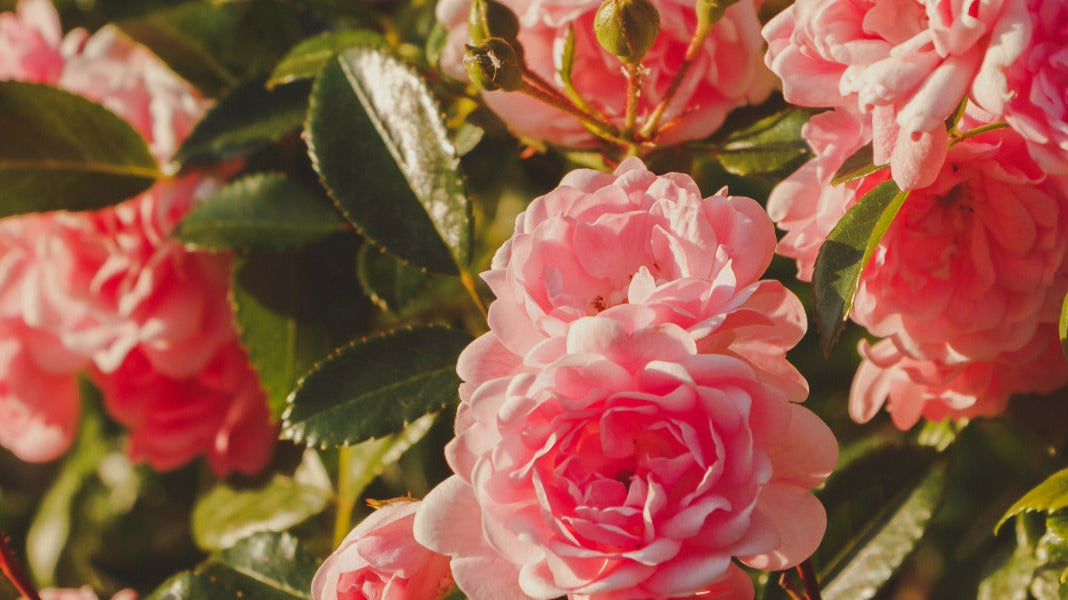
24 Ways of using Rose Damask Organic Hydrosol
Rosa damascena hydrosol is more than just a beautifully fragrant floral water—it’s a versatile powerhouse for skin, body, and mind. With its soothing, hydrating, and balancing properties, this gentle yet potent hydrosol can be used in countless ways, from skincare and wellness to emotional well-being and even culinary delights.
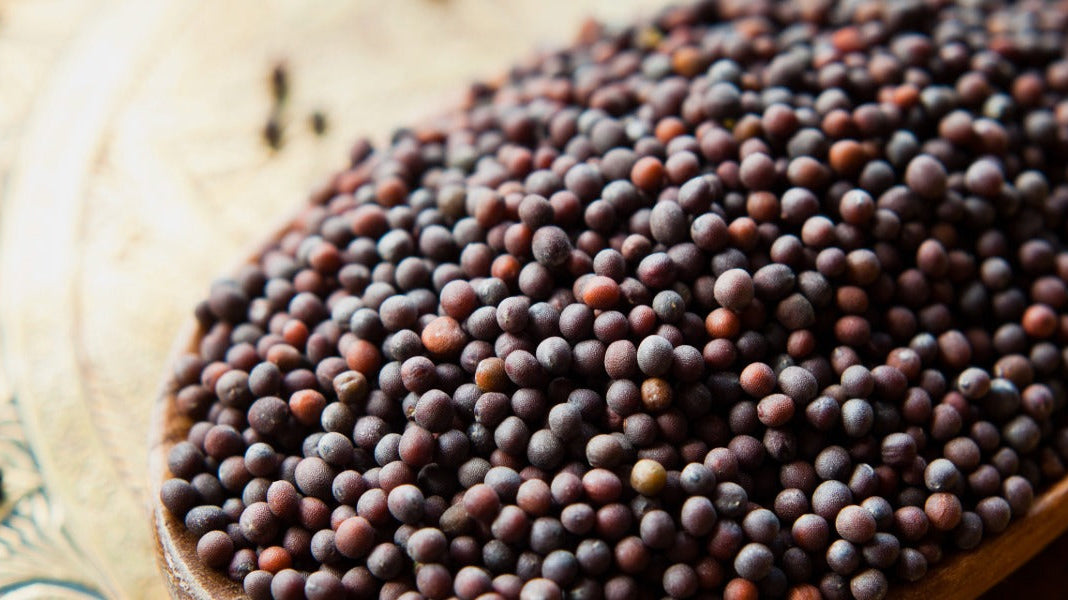
15 Amazing Ways to Use Mustard Oil for Hair, Skin, and Wellness
Mustard seed oil, derived from the cold mechanical pressing of Brassica nigra seeds, is a powerful and versatile oil with deep roots in traditional Indian and Ayurvedic practices. Known for its warming properties, it is commonly used for skincare, hair care, muscle relaxation, and even household applications.

24 Ways to Use Organic Roman Chamomile Hydrosol
Organic Roman Chamomile Hydrosol is a gentle yet powerful floral water, known for its calming, soothing, and anti-inflammatory properties. It’s a must-have for baby care, skincare, wellness, and even pet care! Here are 23 wonderful ways to use it, both topically and internally.

Sunburn Super Heros

Adaptogen Guide
Not sure which adaptogen is right for you? This simple guide helps you understand the difference between adaptogenic herbs and mushrooms - and how to choose the ones that support your energy, stress levels, mental clarity, and long-term health.

Ginseng & Sexual Health
Sexual health depends on circulation, hormones, and energy.
Ginseng supports all three.

The Safe Essential Oil Guide for Parents: How to Use Aromatherapy with Children
Discover how to use essential oils safely and effectively with your children. This parent-focused guide explains proper dilutions, age-appropriate use, and the best oils for everyday care - giving you the confidence to support your child’s health naturally.

Organic or Certified Organic? Why the Difference Matters
Not all products labeled “organic” are truly organic. Many rely on greenwashing - using trendy words without the rigorous standards behind them. Certified organic products, however, are independently verified, traceable from soil to bottle, and free from hidden chemicals. Learn why choosing certified organic matters for your health, your home, and the planet.